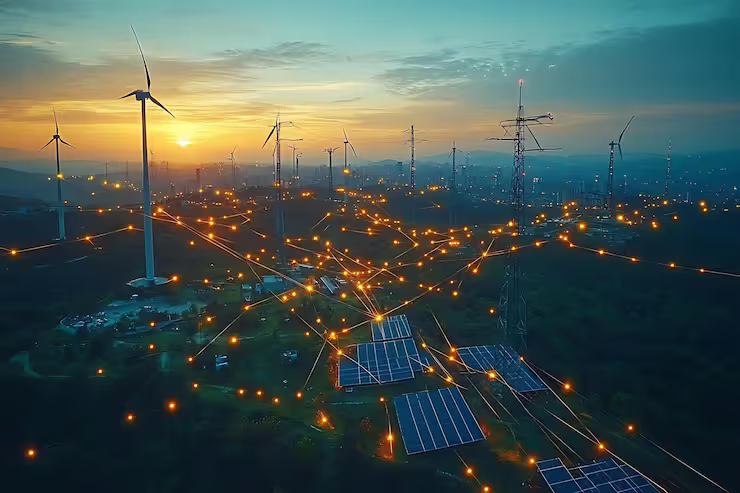
Smart grid energy systems represent the modernization of traditional electricity networks using digital communication, automation, and data analytics. Unlike conventional grids, which rely on one-way power flow from centralized plants to consumers, smart grids enable two-way communication between utilities and users. This allows for better monitoring, efficient energy distribution, and integration of renewable energy sources like solar and wind.
In recent years, the comparison between traditional grids and smart grid systems has gained importance due to rising energy demand, climate concerns, and the push for sustainability. Governments and utilities are increasingly investing in smart infrastructure to improve reliability, reduce outages, and optimize energy use.
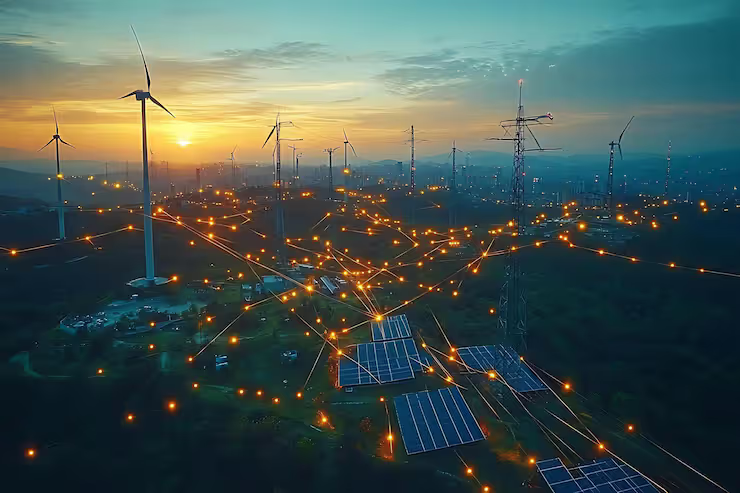
Key trends include the adoption of advanced metering infrastructure (AMI), growth of distributed energy resources (DERs), and the use of artificial intelligence for grid management. These changes are reshaping how energy is generated, distributed, and consumed, making smart grid systems a critical topic for both policymakers and consumers.
Who It Affects and What Problems It Solves
Smart grid systems affect a wide range of stakeholders, including households, businesses, utility companies, and governments. For consumers, smart grids enable real-time monitoring of electricity usage, helping them make informed decisions and potentially reduce energy costs. Businesses benefit from improved reliability and reduced downtime, which is critical for operations that depend on continuous power supply.
Utility providers experience improved efficiency through automated systems that detect faults and optimize power distribution. Governments and regulators also benefit, as smart grids support energy transition goals and help manage national energy security.
Problems Smart Grids Solve
- Power Outages and Reliability Issues: Smart grids can detect and respond to faults quickly, reducing downtime.
- Inefficient Energy Distribution: Real-time data helps balance supply and demand more effectively.
- Integration of Renewable Energy: Smart grids support variable energy sources like solar and wind.
- Energy Waste: Consumers can track usage and reduce unnecessary consumption.
- Lack of Transparency: Advanced meters provide detailed insights into energy usage patterns.
Recent Updates and Trends
Over the past year, several developments have shaped the evolution of smart grid systems:
- Expansion of Smart Metering: Many countries have accelerated the rollout of smart meters to improve billing accuracy and data collection.
- AI and Machine Learning Integration: Utilities are increasingly using predictive analytics to forecast demand and prevent outages.
- Growth of Microgrids: Localized grids are gaining popularity, especially in rural or disaster-prone areas.
- Cybersecurity Focus: As grids become more digital, protecting infrastructure from cyber threats has become a priority.
- Electric Vehicle (EV) Integration: Smart grids are adapting to manage increased load from EV charging infrastructure.
These updates highlight a shift toward more resilient, decentralized, and data-driven energy systems.
Smart Grid vs Traditional Grid Comparison
| Feature | Traditional Grid | Smart Grid System |
|---|---|---|
| Communication | One-way | Two-way |
| Energy Flow | Centralized | Decentralized |
| Monitoring | Manual | Real-time automated |
| Outage Management | Reactive | Proactive and predictive |
| Renewable Integration | Limited | High compatibility |
| Consumer Involvement | Minimal | Active participation |
| Efficiency | Moderate | High |
| Data Usage | Low | Extensive data analytics |
| Infrastructure Cost | Lower initial cost | Higher upfront investment |
| Long-term Benefits | Limited | Significant cost and energy savings |
Laws and Policies
Smart grid development is influenced by government regulations and energy policies, which vary by country. In India, initiatives such as the National Smart Grid Mission (NSGM) promote the adoption of advanced technologies to modernize the power sector. Policies focus on improving efficiency, reducing transmission losses, and integrating renewable energy.
Key Policy Areas
- Energy Efficiency Standards: Encourage reduced consumption and improved system performance.
- Renewable Energy Targets: Support the integration of solar and wind power into the grid.
- Data Privacy Regulations: Ensure consumer data from smart meters is protected.
- Incentives and Funding: Governments provide financial support for infrastructure upgrades.
Practical Guidance
- Urban Areas: Smart grids are suitable for high-demand regions with complex energy needs.
- Rural Areas: Microgrids and decentralized systems can improve access and reliability.
- Industrial Use: Businesses with high energy consumption benefit from real-time monitoring.
- Renewable Projects: Smart grids are essential for managing variable energy sources.
Tools and Resources
Several tools and platforms support the implementation and understanding of smart grid systems:
- Energy Management Software: Helps monitor and optimize energy usage.
- Smart Meter Apps: Provide real-time consumption data to users.
- Grid Simulation Tools: Used by engineers to design and test smart grid systems.
- Government Portals: Offer guidelines, policies, and updates on smart grid initiatives.
- Data Analytics Platforms: Analyze large volumes of grid data for insights.
- Renewable Integration Tools: Assist in managing solar and wind energy inputs.
These resources help stakeholders make informed decisions and improve system efficiency.
Frequently Asked Questions (FAQ)
What is a smart grid system in simple terms?
A smart grid is an advanced electricity network that uses digital technology to monitor and manage energy flow efficiently.
How is a smart grid different from a traditional grid?
Smart grids use two-way communication and real-time data, while traditional grids rely on one-way power flow and manual monitoring.
Are smart grids expensive to implement?
They require higher initial investment, but long-term benefits include improved efficiency and reduced operational costs.
Can smart grids support renewable energy?
Yes, smart grids are designed to integrate renewable sources like solar and wind effectively.
Is smart grid technology secure?
Security is a key focus area, with ongoing improvements in cybersecurity to protect infrastructure and data.
Conclusion
Smart grid energy systems represent a significant shift from traditional power infrastructure, offering improved efficiency, reliability, and sustainability. Data-driven technologies enable better demand management, reduce outages, and support the integration of renewable energy sources. While the initial investment is higher, the long-term benefits—such as lower operational costs and enhanced energy security—make smart grids a practical solution for modern energy challenges.
For regions aiming to modernize their energy systems, smart grids are particularly suitable where demand is high, renewable integration is a priority, or infrastructure upgrades are already planned. Overall, the evidence suggests that smart grid systems are not just an upgrade but a necessary evolution in energy management.