Hydropower, also known as hydroelectric power, is a renewable energy source that generates electricity by harnessing the energy of flowing or falling water. It is one of the oldest and most widely used forms of clean energy, contributing significantly to global electricity production. From large dams to small run-of-river systems, hydropower projects vary in scale and complexity but share a common goal: converting water movement into usable energy.
In recent years, hydropower has gained renewed attention due to global efforts to reduce carbon emissions and transition toward sustainable energy systems. Countries are increasingly investing in renewable energy portfolios, and hydropower plays a critical role due to its reliability and ability to provide baseload power. Unlike solar and wind, hydropower can offer consistent energy output and storage capabilities through pumped storage systems.
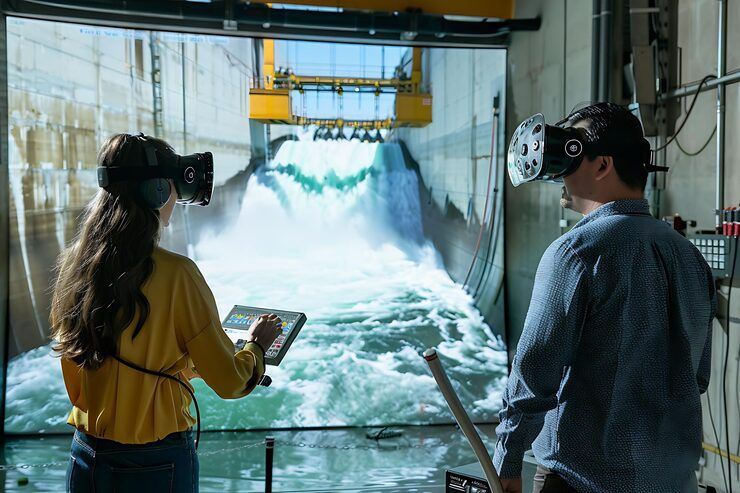
Current trends show a shift toward modernization of existing hydropower plants, integration with smart grids, and development of environmentally friendly designs. While hydropower remains a key pillar in energy strategies, it also faces challenges such as environmental concerns and regulatory constraints. Understanding these aspects is essential for policymakers, engineers, and the general public alike.
Who It Affects and What Problems It Solves
Hydropower impacts a wide range of stakeholders, including governments, energy producers, local communities, environmental organizations, and consumers. Governments rely on hydropower to meet renewable energy targets and reduce dependence on fossil fuels. Energy companies benefit from stable and long-term electricity generation, while consumers gain access to relatively affordable and consistent power.
Local communities near hydropower projects may experience both benefits and challenges. On one hand, such projects can bring infrastructure development, employment opportunities, and improved electricity access. On the other hand, large-scale dams may lead to displacement, ecological disruption, and changes in water availability.
Problems Hydropower Solves
Hydropower addresses several critical challenges in the modern energy landscape:
- Carbon Emissions Reduction: Hydropower produces electricity without direct greenhouse gas emissions, supporting climate goals.
- Energy Reliability: Unlike intermittent sources, hydropower can provide continuous and controllable energy output.
- Energy Storage: Pumped storage systems act as large-scale batteries, helping balance supply and demand.
- Flood Control & Water Management: Many hydropower dams also assist in irrigation, flood prevention, and water supply regulation.
These benefits make hydropower an essential component of diversified energy systems, especially in regions with abundant water resources.
Recent Updates and Trends
Over the past year, hydropower has seen several notable developments globally:
- Modernization Projects: Many countries are upgrading aging hydropower infrastructure to improve efficiency and safety. Retrofitting turbines and digital monitoring systems are common improvements.
- Small Hydropower Growth: There is increasing interest in small and micro hydropower systems, particularly in rural and remote areas. These projects have lower environmental impact and faster deployment timelines.
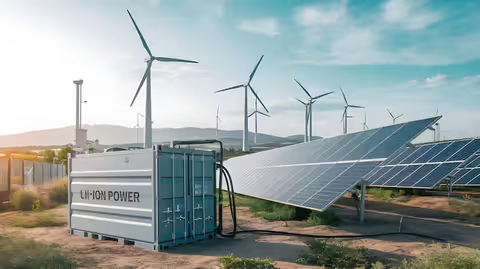
- Hybrid Renewable Systems: Hydropower is being integrated with solar and wind energy systems to create hybrid renewable solutions. This helps stabilize energy supply and optimize resource use.
- Environmental Innovations: New designs focus on fish-friendly turbines and improved sediment management to reduce ecological impact.
- Policy Shifts: Governments are introducing stricter environmental regulations while also offering incentives for sustainable hydropower development.
These trends indicate a transition toward more sustainable and technologically advanced hydropower systems.
Hydropower Types Comparison Table
| Feature | Large Hydropower Plants | Small Hydropower Systems | Pumped Storage Hydropower |
|---|---|---|---|
| Capacity | High (100 MW+) | Low (<10 MW) | Variable |
| Environmental Impact | Moderate to High | Low | Moderate |
| Installation Cost | High | Moderate | Very High |
| Energy Reliability | Very High | Moderate | Very High |
| Flexibility | Low | Moderate | High |
| Construction Time | Long | Short | Long |
| Primary Use | Base load power | Local supply | Energy storage & balancing |
This comparison highlights how different hydropower systems serve distinct roles in energy infrastructure.
Laws and Policies Affecting Hydropower
Hydropower development is heavily influenced by national and international regulations. These laws ensure environmental protection, water rights management, and safety standards.
Key Regulatory Areas
- Environmental Impact Assessments (EIA): Required before project approval to evaluate ecological and social effects.
- Water Usage Rights: Governments regulate how water resources can be utilized for energy production.
- Dam Safety Regulations: Strict guidelines ensure structural integrity and public safety.
- Renewable Energy Policies: Incentives such as subsidies, tax benefits, and renewable energy targets encourage hydropower investment.
Example: India
In India, hydropower is governed by policies from the Ministry of Power and environmental regulations from the Ministry of Environment, Forest and Climate Change. Recent initiatives include:
- Classification of large hydropower as renewable energy.
- Financial support for hydro projects in hilly regions.
- Emphasis on sustainable and environmentally responsible development.
Practical Guidance
- Large-scale projects are suitable for regions with strong regulatory frameworks and significant water resources.
- Small hydropower systems are ideal for rural electrification with fewer regulatory hurdles.
- Pumped storage systems are best implemented where grid stability and energy storage are priorities.
Understanding local laws is essential before planning or investing in hydropower projects.
Tools and Resources
Several tools and resources can help individuals and organizations better understand and evaluate hydropower systems:
Technical Tools
- Hydropower calculation software for estimating energy output.
- GIS-based mapping tools for site selection and feasibility analysis.
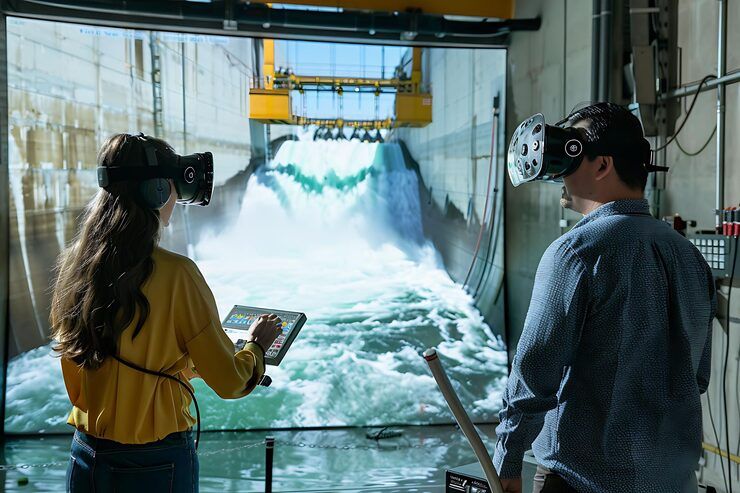
- Simulation software for turbine performance and water flow modeling.
Websites and Platforms
- International renewable energy databases and research platforms.
- Government energy portals providing policy updates and project guidelines.
- Educational platforms offering courses on renewable energy systems.
Templates and Frameworks
- Feasibility study templates for hydropower projects.
- Environmental assessment checklists.
- Project planning and budgeting tools.
Learning Resources
- Online courses on renewable energy engineering.
- Research papers and case studies on hydropower projects.
- Industry reports providing market insights and trends.
These resources support informed decision-making and effective project implementation.
Frequently Asked Questions (FAQ)
1. What is hydropower and how does it work?
Hydropower generates electricity by using flowing or falling water to spin turbines connected to generators. The kinetic energy of water is converted into electrical energy.
2. Is hydropower environmentally friendly?
Hydropower is generally considered clean, but large projects can impact ecosystems and local communities. Modern designs aim to minimize these effects.
3. What are the main types of hydropower systems?
The three main types are large hydropower plants, small hydropower systems, and pumped storage hydropower.
4. Can hydropower be used in small communities?
Yes, micro and small hydropower systems are suitable for rural and remote areas, providing reliable and localized energy solutions.
5. How does hydropower support renewable energy goals?
Hydropower reduces reliance on fossil fuels, lowers carbon emissions, and provides stable energy that complements other renewable sources like solar and wind.
Conclusion
Hydropower remains one of the most reliable and established renewable energy sources globally. Data from international energy agencies consistently show that it contributes a significant share of renewable electricity production, often exceeding other sources in terms of stability and output consistency. Its ability to provide both power generation and energy storage makes it a strategic asset in modern energy systems.
However, hydropower is not without challenges. Environmental concerns, high initial investment costs, and regulatory complexities must be carefully managed. Recent advancements in technology and policy frameworks are helping address these issues, making hydropower more sustainable and efficient.
In practical terms, the choice of hydropower system depends on specific needs:
- Large hydropower is best for national energy supply.
- Small hydropower suits localized and rural applications.
- Pumped storage is ideal for grid stability and energy balancing.
Overall, hydropower continues to evolve as a key component of the global transition toward cleaner energy. When implemented responsibly, it offers a balanced solution that combines reliability, sustainability, and long-term value.