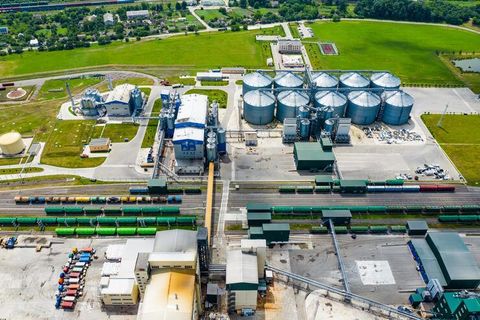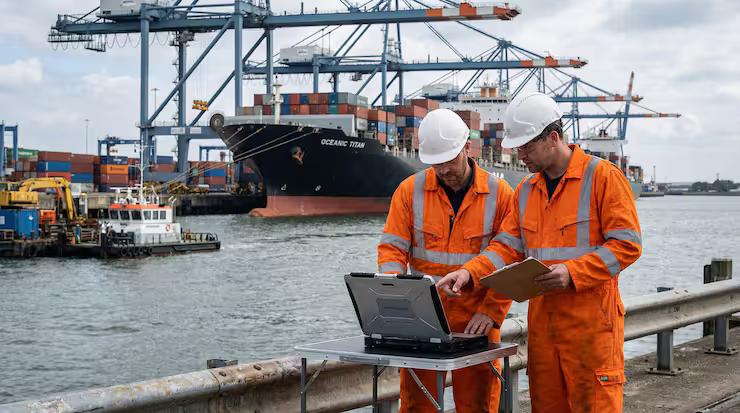
Port logistics systems are the backbone of global trade, enabling the smooth movement of goods between sea, land, and storage facilities. These systems include technologies, processes, and infrastructure used to manage cargo handling, vessel scheduling, customs clearance, and inland transportation. With over 80% of global trade by volume moving through maritime routes, efficient port logistics systems are essential for economic stability and supply chain reliability.
In recent years, the importance of port logistics systems has grown significantly due to rising global trade volumes, e-commerce expansion, and supply chain disruptions. Events like pandemic-related congestion and geopolitical tensions have highlighted the need for resilient and digitally advanced port operations. Modern ports are increasingly adopting automation, artificial intelligence, and real-time tracking tools to improve efficiency and reduce delays.
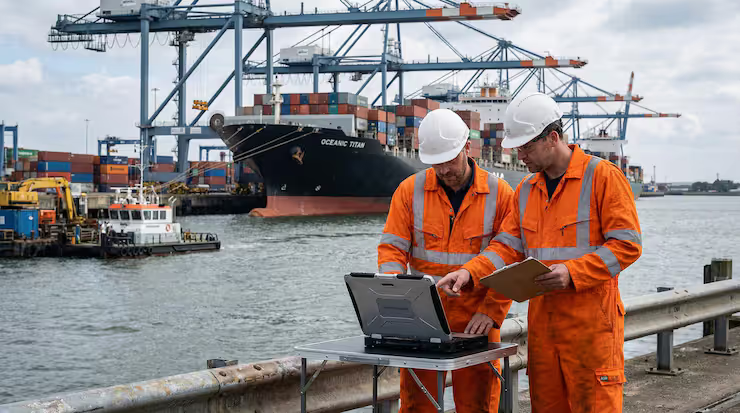
Trends such as smart ports, green logistics, and digital twin technology are reshaping how ports operate. These developments not only improve operational performance but also reduce environmental impact and enhance transparency. As global trade becomes more complex, understanding port logistics systems is crucial for businesses, policymakers, and logistics professionals.
Who It Affects and What Problems It Solves
Port logistics systems impact a wide range of stakeholders, including shipping companies, importers and exporters, freight forwarders, port authorities, and government agencies. Businesses that rely on international trade depend heavily on efficient port operations to ensure timely delivery of goods and cost control. Even end consumers are indirectly affected, as delays or inefficiencies at ports can lead to higher product prices and shortages.
For logistics providers and shipping lines, port efficiency directly influences turnaround times, fuel costs, and overall profitability. Governments and port authorities also benefit from improved systems through increased trade competitiveness, better revenue generation, and enhanced compliance with international standards.
Problems Solved by Port Logistics Systems
- Congestion Management: Reduces vessel waiting time and port overcrowding
- Cargo Tracking Issues: Provides real-time visibility of shipments
- Inefficient Resource Allocation: Optimizes use of cranes, labor, and storage
- Customs Delays: Streamlines documentation and clearance processes
- Lack of Coordination: Improves communication between stakeholders
By addressing these challenges, port logistics systems help create smoother, faster, and more predictable supply chains.
Recent Updates and Trends
Over the past year, port logistics systems have seen several notable advancements and changes driven by both technological innovation and global trade dynamics.
- Digitalization Acceleration: Ports are increasingly implementing Port Community Systems (PCS) and Terminal Operating Systems (TOS) to integrate stakeholders on a single platform.
- Automation Growth: Automated cranes, guided vehicles, and robotics are being deployed to reduce human error and increase efficiency.
- Sustainability Initiatives: Many ports are adopting green practices such as electrified equipment and carbon tracking systems to meet environmental targets.
- AI and Predictive Analytics: Artificial intelligence is being used to forecast demand, optimize berth allocation, and reduce turnaround time.
- Resilience Planning: Ports are investing in contingency systems to handle disruptions caused by climate events or geopolitical issues.
These trends reflect a shift toward smarter, more adaptive port logistics systems that can handle increasing global trade complexity.
Comparison of Key Port Logistics System Components
| Component | Description | Benefits | Challenges |
|---|---|---|---|
| Terminal Operating System | Manages container handling and yard operations | Improves efficiency and tracking | High implementation cost |
| Port Community System | Connects stakeholders on a shared platform | Enhances communication and transparency | Requires stakeholder coordination |
| Automated Equipment | Includes cranes and guided vehicles | Reduces labor dependency and errors | High initial investment |
| Real-Time Tracking Systems | Uses IoT and GPS for cargo visibility | Improves shipment monitoring | Data integration complexity |
| Customs Management Systems | Digital documentation and clearance | Speeds up approvals | Regulatory compliance requirements |
| Digital Twin Technology | Virtual simulation of port operations | Enables predictive planning | Requires advanced data infrastructure |
Laws and Policies Impacting Port Logistics Systems
Port logistics systems are heavily influenced by national and international regulations. These rules ensure safety, environmental protection, and fair trade practices.
In India, port operations are governed by policies under the Ministry of Ports, Shipping and Waterways. Programs like the Sagarmala initiative aim to modernize port infrastructure and improve logistics efficiency. Additionally, customs procedures are regulated by the Central Board of Indirect Taxes and Customs (CBIC), which promotes digital documentation through systems like ICEGATE.
Internationally, ports must comply with standards set by organizations such as the International Maritime Organization (IMO), which enforces safety and environmental regulations. Data security and digital compliance are also becoming increasingly important as ports adopt more technology-driven systems.
Practical Guidance
- For Businesses: Choose ports with advanced digital systems to reduce delays
- For Logistics Providers: Ensure compliance with customs and documentation rules
- For Policymakers: Invest in digital infrastructure and training programs
- For Port Authorities: Align with global standards to remain competitive
Understanding these regulations helps stakeholders operate efficiently while avoiding legal and operational risks.
Tools and Resources
Several tools and platforms support port logistics systems and improve operational efficiency:
- Terminal Operating Systems (TOS): Software for managing container movement and yard planning
- Port Community Systems (PCS): Platforms that connect shipping lines, customs, and logistics providers
- Cargo Tracking Tools: GPS and IoT-based systems for real-time shipment visibility
- Customs Portals: Digital platforms for documentation and clearance
- Supply Chain Analytics Tools: Help analyze performance and optimize logistics
- Digital Twin Platforms: Simulate port operations for better planning
- Templates and Dashboards: Used for reporting and monitoring key performance indicators
These tools enable better decision-making, reduce manual errors, and improve overall port efficiency.
Frequently Asked Questions
What is a port logistics system?
A port logistics system is a combination of technologies, processes, and infrastructure used to manage the movement of goods through ports efficiently.
Why are port logistics systems important?
They ensure timely cargo handling, reduce delays, and improve supply chain reliability, which is essential for global trade.
What are the main components of port logistics systems?
Key components include terminal operating systems, port community systems, automated equipment, and tracking technologies.
How is technology improving port logistics?
Technologies like AI, IoT, and automation are enhancing efficiency, reducing errors, and enabling real-time decision-making.
What challenges do port logistics systems face?
Common challenges include high implementation costs, data integration issues, and regulatory compliance requirements.
Conclusion
Port logistics systems play a critical role in global trade by ensuring the efficient movement of goods across international supply chains. As trade volumes increase and supply chains become more complex, the need for advanced, data-driven port systems continues to grow.
Recent trends show a clear shift toward digitalization, automation, and sustainability. Ports that invest in modern technologies such as AI, real-time tracking, and integrated platforms are better positioned to handle disruptions and improve operational performance. While challenges such as high costs and regulatory compliance remain, the long-term benefits of adopting advanced port logistics systems outweigh these limitations.
From a data-driven perspective, improved port efficiency directly correlates with reduced transit times, lower operational costs, and increased trade competitiveness. For businesses and logistics providers, selecting ports with strong digital infrastructure and regulatory alignment is a practical and effective strategy.
Overall, the future of port logistics systems lies in smart, connected, and sustainable solutions that enhance both efficiency and resilience.