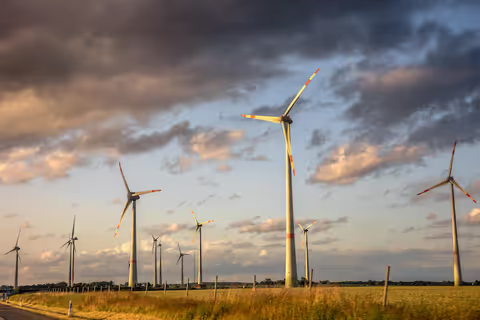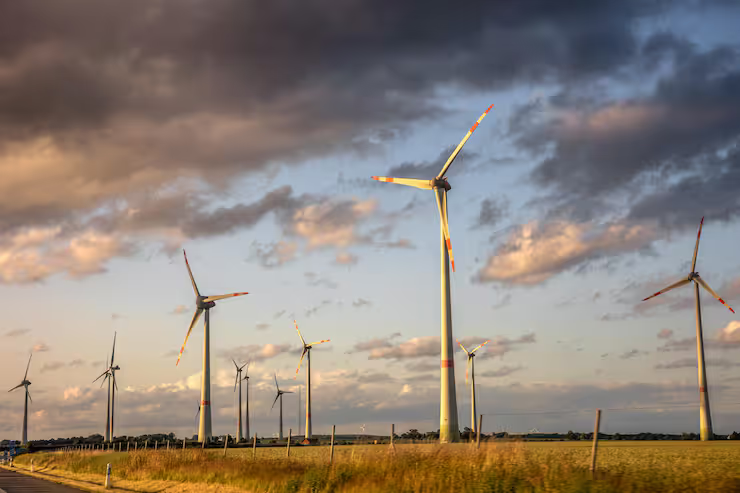
Wind energy turbines are machines designed to convert the kinetic energy of wind into electrical power. As countries seek cleaner alternatives to fossil fuels, wind turbines have become a key part of the global renewable energy mix. They are commonly installed in onshore (land-based) and offshore (sea-based) environments, each with different technical, economic, and environmental considerations.
This comparison matters today because wind energy capacity has grown rapidly in recent years, driven by climate targets, falling technology costs, and energy security concerns. According to global energy agencies, wind power is among the fastest-growing renewable sources, contributing significantly to electricity generation in many regions. Governments and private sectors are investing heavily in both large-scale wind farms and smaller distributed systems.
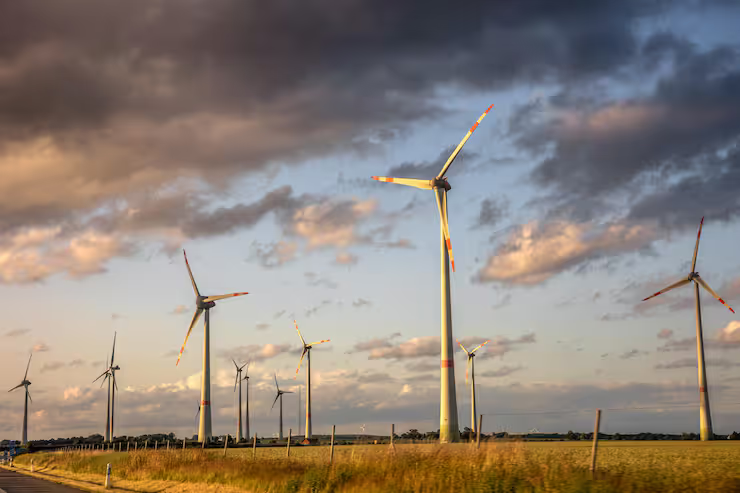
Recent trends include the development of larger turbines with higher efficiency, expansion of offshore wind projects, and integration with energy storage systems. These advancements aim to improve reliability and reduce intermittency challenges. Understanding different types of wind turbines and their applications helps stakeholders—ranging from policymakers to businesses and individuals—make informed, data-driven decisions.
Who It Affects and What Problems It Solves
Wind energy turbines impact a wide range of stakeholders. Governments use them to meet renewable energy targets and reduce greenhouse gas emissions. Energy companies invest in wind farms to diversify their energy portfolios and reduce reliance on fossil fuels. Communities near wind installations experience both benefits, such as job creation and infrastructure development, and concerns related to land use and environmental impact.
For businesses and industries, wind energy offers an opportunity to reduce operational carbon footprints and stabilize long-term energy costs. Farmers and landowners can also benefit by leasing land for turbine installations, creating an additional income stream.
Problems It Solves
Wind turbines address several key challenges:
- Climate Change Mitigation: They produce electricity without emitting carbon dioxide during operation.
- Energy Security: Reduce dependence on imported fuels.
- Cost Stability: Wind energy has low operating costs once installed.
- Scalability: Can be deployed in both small and large-scale projects.
- Resource Availability: Wind is abundant and renewable in many regions.
However, challenges such as intermittency, high initial costs, and environmental concerns (like bird impact and noise) still require balanced solutions.
Recent Updates and Trends
Over the past year, several important developments have shaped the wind energy sector:
- Larger Turbine Sizes: Manufacturers are introducing turbines exceeding 15 MW capacity for offshore use, improving efficiency and reducing cost per unit of energy.
- Floating Wind Farms: New floating turbine technology allows deployment in deeper waters where wind speeds are higher and more consistent.
- Digital Monitoring: Advanced sensors and AI-driven analytics are being used for predictive maintenance, reducing downtime and operational costs.
- Policy Push: Many countries have accelerated renewable energy targets, increasing funding and incentives for wind projects.
- Supply Chain Challenges: Global supply chain disruptions have affected turbine manufacturing and installation timelines.
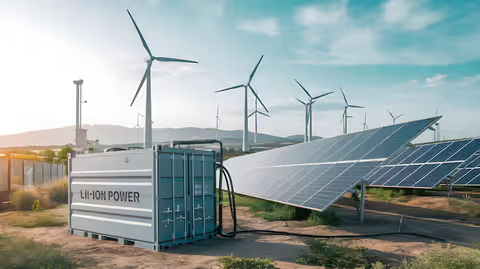
- Hybrid Systems: Integration with solar energy and battery storage is becoming more common to address intermittency issues.
These updates indicate a shift toward more efficient, scalable, and technologically advanced wind energy systems.
Comparison Table: Types of Wind Turbines
| Feature | Horizontal Axis Wind Turbines (HAWT) | Vertical Axis Wind Turbines (VAWT) |
|---|---|---|
| Axis Orientation | Horizontal | Vertical |
| Efficiency | High (widely used in large farms) | Moderate |
| Installation Location | Open areas, offshore | Urban or constrained spaces |
| Maintenance | More complex (height factor) | Easier (ground-level components) |
| Cost | Higher initial investment | Lower initial cost |
| Wind Direction Dependence | Needs wind alignment | Works from any direction |
| Use Case | Utility-scale power generation | Small-scale or residential |
| Noise Level | Moderate | Generally lower |
| Scalability | Highly scalable | Limited scalability |
This comparison highlights that while HAWTs dominate large-scale energy production, VAWTs offer flexibility for smaller or urban applications.
Laws and Policies Affecting Wind Energy
Wind energy development is strongly influenced by government regulations, incentives, and environmental policies. These vary by country but generally include renewable energy targets, subsidies, and land-use regulations.
Key Policy Areas
- Renewable Energy Targets: Governments set national goals to increase renewable energy share, driving wind adoption.
- Subsidies and Incentives: Tax credits, feed-in tariffs, and grants reduce project costs.
- Environmental Regulations: Projects must comply with wildlife protection and noise standards.
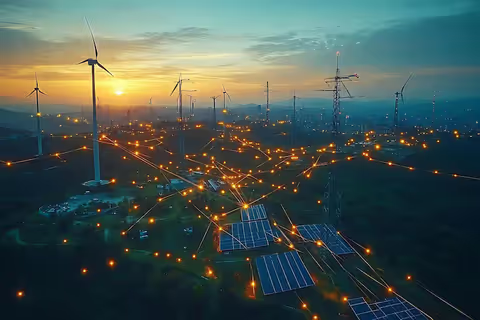
- Grid Integration Rules: Policies ensure wind energy can be efficiently integrated into national grids.
Practical Guidance
- Utility-Scale Projects: Best suited for regions with strong policy support and high wind availability.
- Small-Scale Installations: More viable where incentives for distributed energy exist.
- Offshore Projects: Require stricter regulatory approvals but benefit from higher energy output.
Understanding local regulations is essential before investing in or developing wind energy projects.
Tools and Resources
Several tools and platforms help individuals and organizations analyze, plan, and optimize wind energy systems:
- Wind Resource Maps: Provide data on wind speed and potential energy output.
- Energy Calculators: Estimate turbine efficiency and return on investment.
- Simulation Software: Used for designing and testing turbine performance.
- Government Portals: Offer policy updates, incentives, and compliance guidelines.
- Data Platforms: Provide real-time monitoring and analytics for wind farms.
- Educational Resources: Online courses and research publications for deeper understanding.
These tools support informed decision-making and improve project outcomes.
Frequently Asked Questions
What is the main difference between onshore and offshore wind turbines?
Onshore turbines are installed on land and are easier to build and maintain, while offshore turbines are located at sea, offering higher wind speeds and energy output but at greater cost and complexity.
Are wind turbines efficient in low-wind areas?
Wind turbines require minimum wind speeds to operate effectively. In low-wind regions, smaller turbines or alternative renewable sources may be more suitable.
How long do wind turbines last?
Most wind turbines have an operational lifespan of 20–25 years, depending on maintenance and environmental conditions.
Do wind turbines harm wildlife?
There is some impact on birds and bats, but modern designs and careful site selection help reduce these risks significantly.
Can wind energy be stored?
Wind energy itself cannot be stored, but electricity generated can be stored using batteries or converted into other forms like hydrogen.
Conclusion
Wind energy turbines play a critical role in the transition to sustainable energy systems. Data shows that advancements in turbine size, efficiency, and offshore deployment are significantly improving energy output and cost-effectiveness. Horizontal axis turbines remain the dominant choice for large-scale applications, while vertical axis turbines serve niche, smaller-scale needs.
From a practical standpoint, the best choice depends on location, budget, and energy requirements. Regions with strong and consistent wind resources benefit most from large-scale installations, while urban or constrained environments may find value in smaller systems.
Overall, wind energy continues to evolve as a reliable and scalable renewable solution. With supportive policies, technological innovation, and proper planning, it offers a viable path toward reducing carbon emissions and ensuring long-term energy sustainability.