Electric Vehicle (EV) charging stations are essential infrastructure that supply electricity to recharge battery-powered vehicles. As global transportation shifts toward electrification, understanding different types of charging stations—home chargers, public fast chargers, and workplace solutions—has become increasingly important for individuals, businesses, and policymakers.
This comparison matters more than ever due to the rapid adoption of EVs worldwide. Governments are introducing stricter emission norms, automakers are expanding EV portfolios, and fuel costs are fluctuating. As a result, charging infrastructure is no longer optional—it is a critical part of mobility planning.
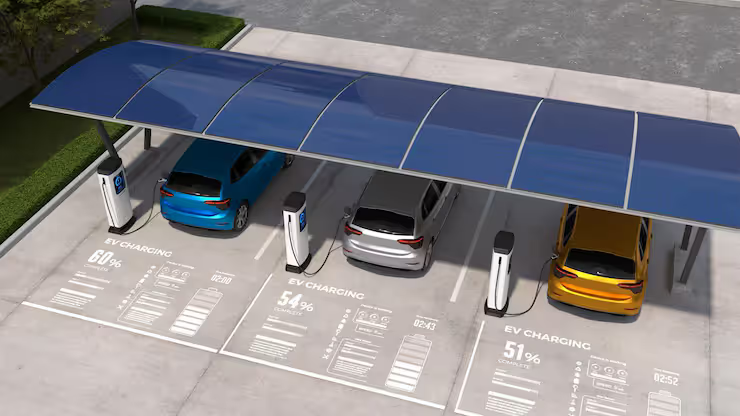
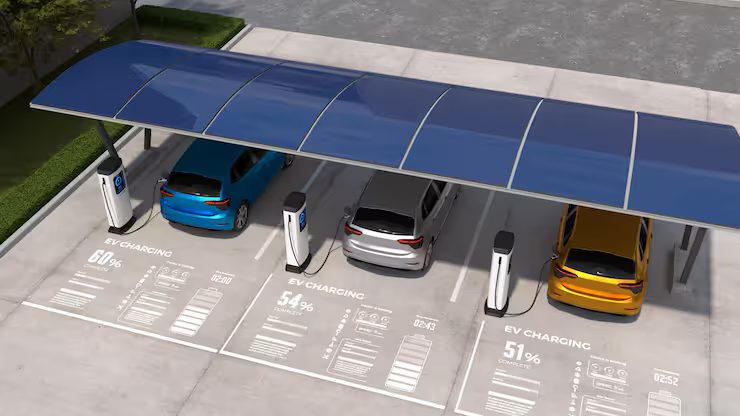
Recent trends show a significant rise in fast-charging networks, integration of renewable energy, and smart charging systems that optimize energy use. Urban areas are witnessing dense charging networks, while rural regions are gradually catching up. The impact is broad: improved accessibility encourages EV adoption, reduces carbon emissions, and reshapes how energy is consumed in transportation.
Understanding the differences between charging station types helps users make informed decisions based on cost, speed, convenience, and availability.
Who It Affects and What Problems It Solves
EV charging infrastructure impacts multiple stakeholders. Individual EV owners rely on accessible and efficient charging options for daily commuting and long-distance travel. Businesses, including fleet operators and logistics companies, depend on reliable charging systems to maintain operations. Governments and urban planners must design infrastructure that supports growing EV demand without overloading power grids.
For residential users, the main concern is convenience and cost. Public charging users prioritize speed and availability. Commercial operators focus on scalability and uptime. Meanwhile, utility providers are tasked with managing increased electricity demand and integrating renewable energy sources.
Problems It Solves
- Range Anxiety: Public and fast-charging networks reduce fear of running out of battery.
- Fuel Dependency: EV charging replaces reliance on fossil fuels.
- Urban Pollution: Increased EV usage lowers air pollution in cities.
- Energy Optimization: Smart charging systems help balance electricity demand.
- Accessibility Gaps: Expanding networks improve access in underserved areas.
Recent Updates and Trends
The EV charging ecosystem has evolved significantly over the past year, driven by technology, policy, and investment.
- Expansion of Fast Charging Networks: Ultra-fast chargers (150 kW–350 kW) are becoming more common, reducing charging time to under 30 minutes for many vehicles.
- Battery Swapping Pilots: Some regions are experimenting with battery swapping as an alternative to traditional charging.
- Smart Charging Integration: AI-based systems now optimize charging schedules based on grid demand and electricity pricing.
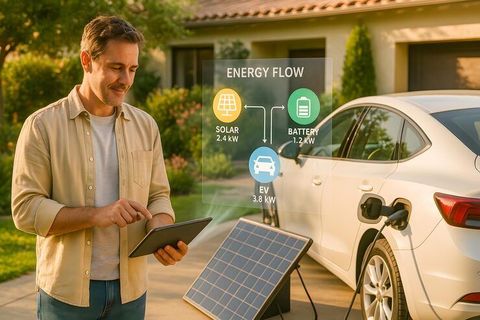
- Renewable Energy Integration: Solar-powered charging stations are gaining traction, especially in regions with high solar potential.
- Standardization Efforts: Governments and industry bodies are working toward universal charging standards to improve compatibility.
- Increased Private Investment: Energy companies and startups are investing heavily in charging infrastructure expansion.
These developments indicate a shift toward faster, smarter, and more sustainable charging solutions.
Comparison of EV Charging Station Types
| Feature | Level 1 Charging | Level 2 Charging | DC Fast Charging (Level 3) |
|---|---|---|---|
| Power Output | 1–2 kW | 7–22 kW | 50–350 kW |
| Charging Speed | Slow (8–24 hours) | Moderate (3–8 hours) | Fast (20–60 minutes) |
| Installation Location | Home (basic outlet) | Home, workplace, public | Highways, commercial hubs |
| Cost (Installation) | Low | Medium | High |
| Usage Scenario | Overnight home charging | Daily charging | Long-distance travel |
| Infrastructure Requirement | Minimal | Moderate | Advanced grid support |
| Availability | Widely available | Increasing | Limited but growing |
Key Insights from the Comparison
- Level 1 charging is suitable for low daily usage but impractical for frequent driving.
- Level 2 charging offers a balance between speed and cost, making it the most common option.
- DC fast charging is ideal for quick top-ups but requires significant infrastructure investment.
Laws and Policies Affecting EV Charging Stations
Government regulations play a major role in shaping EV charging infrastructure. Policies vary by country but generally focus on promoting adoption, ensuring safety, and standardizing systems.
Common Policy Areas
- Subsidies and Incentives: Many governments offer financial support for installing home or commercial chargers.
- Building Codes: New constructions may be required to include EV-ready wiring.
- Tariff Regulations: Electricity pricing for EV charging may be regulated or incentivized.
- Standardization: Charging connectors and communication protocols are being standardized.
- Public Infrastructure Mandates: Governments often set targets for public charging station deployment.
Practical Guidance
- Home Users: Check eligibility for subsidies before installing a charger.
- Businesses: Consider compliance with workplace charging mandates.
- Fleet Operators: Evaluate long-term policy support for commercial charging infrastructure.
- Urban Planners: Align infrastructure development with government targets and grid capacity.
Policies are increasingly aligned with sustainability goals, making EV charging more accessible and affordable.
Tools and Resources
A variety of tools and platforms help users navigate EV charging effectively:
-
Mobile Apps:
- Charging station locators
- Real-time availability tracking
- Route planning with charging stops
-
Web Platforms:
- Infrastructure maps
- Cost comparison tools
- Charging network directories
-
Smart Charging Systems:
- Energy usage optimization
- Scheduled charging
- Integration with renewable energy
-
Calculators:
- Charging cost estimators
- Time-to-charge calculators
- Energy consumption analysis tools
-
Government Portals:
- Subsidy application systems
- Policy updates
- Infrastructure guidelines
These resources improve user experience and help optimize charging decisions.
Frequently Asked Questions
What is the difference between AC and DC charging?
AC charging (Level 1 and Level 2) uses alternating current and is slower, while DC fast charging delivers direct current and charges vehicles much faster.
How long does it take to charge an EV?
Charging time depends on the charger type and battery size. It can range from under 30 minutes (fast charging) to over 12 hours (basic home charging).
Is home charging cheaper than public charging?
In most cases, home charging is more cost-effective due to lower electricity rates compared to public fast chargers.
Are all EV chargers compatible with every vehicle?
Not always. Compatibility depends on connector types and standards, though efforts are being made to standardize systems globally.
What factors should I consider when choosing a charging station?
Key factors include charging speed, cost, location, compatibility, and frequency of use.
Conclusion
Electric vehicle charging stations are a foundational element of the transition to sustainable transportation. The comparison between Level 1, Level 2, and DC fast charging highlights clear trade-offs between cost, speed, and infrastructure requirements.
Data and trends indicate that Level 2 charging remains the most practical solution for everyday use, while DC fast charging is essential for long-distance travel and commercial applications. Level 1 charging, although accessible, is gradually becoming less relevant for modern EV users.
Recent developments—such as faster chargers, smart energy integration, and supportive government policies—are accelerating the expansion of charging networks. These advancements are reducing barriers to EV adoption and improving overall efficiency.