Clean water is essential for daily life, industrial operations, and environmental balance. As urbanization and industrial activity increase, managing water quality has become more important than ever.
Water treatment involves a series of processes designed to remove impurities, harmful substances, and contaminants from water. Whether it’s for drinking, industrial use, or safe discharge, proper treatment ensures that water meets required quality standards.
In this guide, we’ll explore how water treatment works, the systems involved, and how industries manage wastewater effectively.
What Is Water Treatment?
Water treatment is the process of improving water quality by removing unwanted substances such as chemicals, bacteria, and suspended particles.
The goal is to make water suitable for its intended use—whether for human consumption, industrial processes, or environmental discharge.
Key objectives of water treatment include:
- Removing harmful contaminants
- Improving clarity and taste
- Ensuring safety for use
- Protecting ecosystems
These objectives guide the design and operation of treatment systems.
Types of Water Treatment Systems
Different systems are used depending on the source of water and its intended use. Each system focuses on specific types of contaminants.
1. Drinking Water Treatment Systems
These systems are designed to make water safe for human consumption. They remove bacteria, viruses, and impurities.
Common processes include filtration, disinfection, and chemical treatment.
2. Industrial Water Treatment Systems
Industries require water for various processes such as cooling, cleaning, and production. Treatment systems ensure that water meets operational requirements.
They also help prevent scaling, corrosion, and equipment damage.
3. Wastewater Treatment Systems
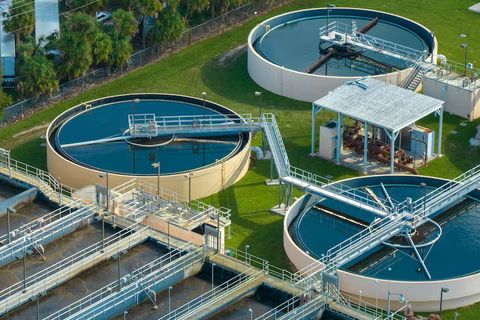
Wastewater systems treat used water before it is released back into the environment. This includes water from homes, industries, and commercial facilities.
The aim is to reduce pollution and protect natural water sources.
Key Water Treatment Processes
Water treatment involves multiple stages, each targeting specific impurities.
1. Coagulation and Flocculation
In this stage, chemicals are added to water to bind small particles together. These particles form larger clumps called flocs.
This makes it easier to remove them in later stages.
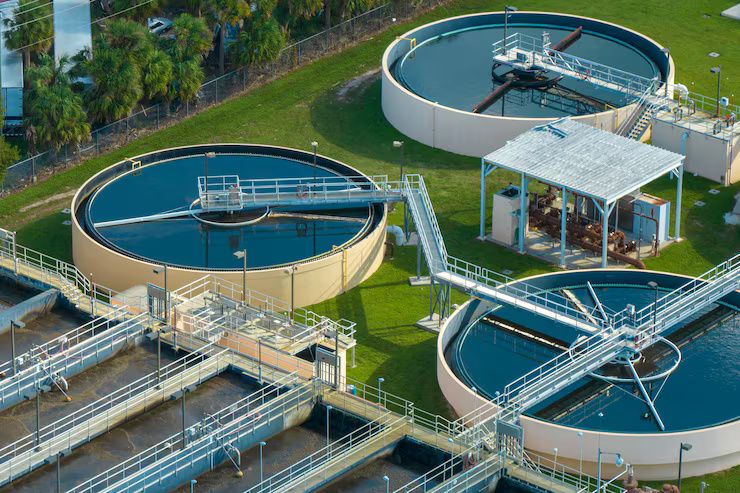
2. Sedimentation
The heavier flocs settle at the bottom of the tank. This process separates solid particles from the water.
3. Filtration
Water passes through filters made of sand, gravel, or other materials. This removes remaining impurities and particles.
4. Disinfection
Disinfection eliminates harmful microorganisms. Common methods include using chlorine, ultraviolet light, or ozone.
This step ensures that water is safe for use.
Industrial Wastewater Solutions
Industrial activities generate wastewater that contains chemicals, oils, and other pollutants. Proper treatment is essential before releasing it into the environment.
Common Industrial Treatment Methods
- Physical treatment to remove solid particles
- Chemical treatment to neutralize harmful substances
- Biological treatment using microorganisms
These methods help reduce environmental impact and comply with regulations.
Equipment Used in Water Treatment
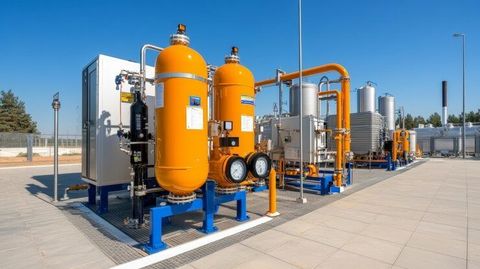
Water treatment systems rely on specialized equipment to perform different processes efficiently.
Common Equipment
- Filtration units
- Clarifiers and sedimentation tanks
- Pumps and pipelines
- Disinfection systems
These components work together to ensure effective treatment.
Importance of Water Treatment in Industry
Water treatment is critical for industrial operations. It helps maintain efficiency and ensures compliance with environmental standards.
Proper treatment prevents equipment damage and reduces operational issues.
It also plays a key role in sustainable practices by minimizing waste and conserving resources.
Benefits of Effective Water Treatment
Water treatment provides several advantages for both industries and communities.
Key Benefits
- Improved water quality
- Protection of public health
- Reduced environmental pollution
- Efficient use of resources
These benefits highlight the importance of proper water management.
Challenges in Water Treatment
Despite advancements, water treatment faces several challenges.
One major challenge is handling complex industrial wastewater that contains multiple contaminants.
Another challenge is maintaining efficiency while managing large volumes of water.
Environmental regulations also require continuous monitoring and improvement.
Future Trends in Water Treatment
The water treatment industry is evolving with new technologies and approaches.
Emerging Trends
- Advanced filtration technologies
- Smart monitoring systems
- Increased focus on water recycling
- Sustainable and energy-efficient solutions
These trends aim to improve efficiency and reduce environmental impact.
Practical Example of Water Treatment
Consider an industrial facility that uses water for production. The wastewater generated contains chemicals and impurities.
A treatment system processes this water through multiple stages, removing contaminants before discharge. This ensures compliance with environmental standards and protects nearby ecosystems.
Tips for Understanding Water Treatment Systems
If you’re new to this topic, start by understanding the basic stages of treatment and their purpose.
Focus on how each process removes specific impurities. Observing real-world systems can also help build practical knowledge.
Conclusion
Water treatment is a vital process that supports public health, industrial operations, and environmental protection. From basic filtration to advanced wastewater solutions, each stage plays an important role.
As demand for clean water continues to grow, effective treatment systems will become even more essential. Understanding these processes helps highlight the importance of sustainable water management.
With ongoing advancements, water treatment will continue to evolve, ensuring safe and reliable water for future generations.