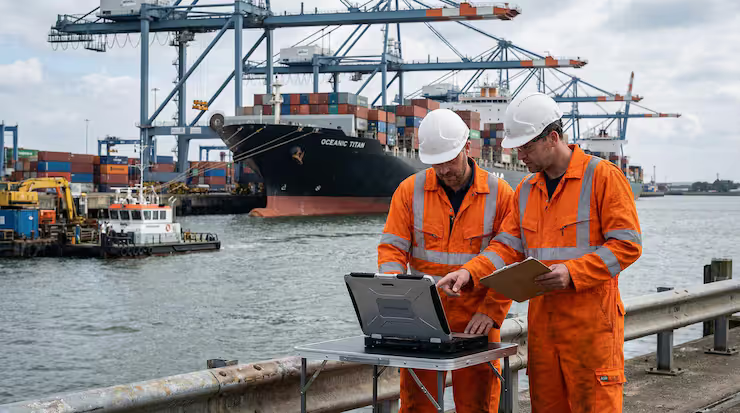
Port logistics systems form the operational backbone of global maritime trade. These systems coordinate the movement of cargo, vessels, containers, and documentation through seaports and connected supply chain networks. In simple terms, a port logistics system manages how goods move from ships to ports and then to inland transportation such as railways, trucks, or warehouses.
Modern ports are complex logistics hubs that combine physical infrastructure with advanced digital platforms. Container terminals, cargo handling equipment, storage facilities, and transport networks all work together within a structured logistics framework. Digital technologies such as maritime data analytics, supply chain optimization software, port management platforms, and automated container tracking systems play a crucial role in maintaining efficiency.
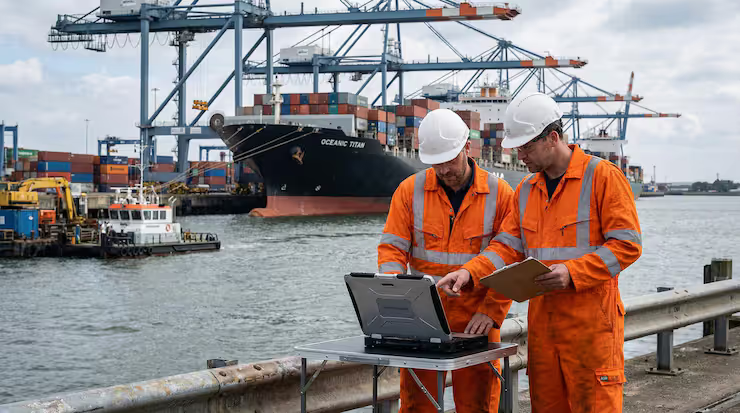
Key components of a port logistics system typically include:
-
Container terminal operations
-
Cargo handling and storage infrastructure
-
Customs documentation and clearance processes
-
Intermodal transportation connections
-
Digital port management software platforms
-
Maritime supply chain data systems
These systems exist to support the continuous flow of international goods. Global trade depends heavily on maritime shipping, and ports function as central gateways linking international shipping routes with domestic distribution networks.
Many large ports now operate as smart port ecosystems, integrating technologies like real-time cargo monitoring, artificial intelligence logistics forecasting, and Internet of Things (IoT) sensors. This evolution allows logistics operators to monitor vessel arrivals, container movements, and port congestion in real time.
Why Port Logistics Systems Matter Today
Port logistics systems play a critical role in the modern global economy. Nearly 80–90% of international trade by volume moves through maritime transport, making port infrastructure and logistics coordination essential for economic stability and global supply chain continuity.
Efficient port logistics systems impact several sectors:
-
International shipping companies
-
Import and export businesses
-
Manufacturing supply chains
-
Retail distribution networks
-
Energy and commodity transportation
One of the biggest challenges in global logistics is supply chain congestion. When port systems experience delays or inefficiencies, cargo shipments can accumulate, affecting production timelines and inventory levels worldwide.
Modern logistics systems address these challenges through:
-
Digital cargo tracking platforms that provide real-time shipment visibility
-
Container logistics optimization tools that reduce port congestion
-
Automated terminal operations that increase cargo handling speed
-
Integrated maritime data systems that improve supply chain forecasting
Ports also support strategic national infrastructure. Countries rely on efficient maritime logistics networks to maintain energy imports, industrial supply chains, and food distribution systems.
The rise of global e-commerce logistics and cross-border trade has further increased pressure on port operations. Faster shipping cycles and higher cargo volumes require advanced logistics planning tools, predictive analytics, and automation.
In addition, sustainability initiatives are influencing how port logistics systems operate. Many ports are introducing green logistics infrastructure, electric cargo equipment, and digital systems designed to reduce emissions and energy consumption.
Recent Trends in Port Logistics and Maritime Infrastructure
The past year has seen several notable developments in port logistics systems and maritime supply chain technology.
One major trend is the adoption of AI-powered logistics analytics platforms. In 2024 and early 2025, many ports expanded the use of artificial intelligence to forecast cargo volumes, detect bottlenecks, and optimize vessel scheduling.
Another trend involves digital port community systems (PCS). These platforms connect shipping lines, port authorities, customs agencies, and logistics companies within a unified digital environment. The goal is to improve transparency and reduce administrative delays.
Automation has also expanded in several major container terminals. Automated cranes, autonomous transport vehicles, and robotics-based cargo handling systems are being implemented to improve operational efficiency.
Below is a simplified overview of modern port logistics technology adoption.
| Technology Area | Purpose in Port Logistics | Example Function |
|---|---|---|
| AI Logistics Analytics | Predict cargo volumes | Vessel arrival forecasting |
| Port Community Systems | Data integration | Digital documentation |
| IoT Cargo Sensors | Real-time monitoring | Container tracking |
| Terminal Automation | Cargo handling efficiency | Automated cranes |
| Supply Chain Platforms | Logistics coordination | Shipment visibility |
Another important development has been the increasing focus on supply chain resilience. Disruptions in previous years revealed vulnerabilities in global shipping networks, leading governments and port operators to invest in stronger logistics infrastructure and digital monitoring systems.
Many ports are also expanding green port initiatives. These programs involve electrified equipment, shore power systems for vessels, and carbon monitoring tools designed to reduce environmental impact.
Regulations and Government Policies Affecting Port Logistics
Port logistics systems operate within a framework of national and international regulations. These rules ensure maritime safety, environmental protection, and secure cargo movement.
International maritime governance is influenced by several regulatory bodies and frameworks.
Key regulatory areas include:
-
Maritime safety regulations
-
Customs and trade compliance requirements
-
Environmental emissions standards
-
Port security protocols
-
International shipping documentation rules
For example, many countries enforce strict customs clearance procedures that govern how cargo enters or exits national borders. Digital customs platforms and electronic documentation systems are increasingly used to streamline compliance.
Environmental regulations are also becoming more important in maritime logistics. Ports must often follow emission reduction policies related to vessel fuel standards and port equipment energy usage.
Government infrastructure programs frequently support port modernization. These programs may focus on:
-
Smart port digital infrastructure
-
Maritime transport corridor development
-
Logistics technology integration
-
Intermodal transport connectivity
In India, large-scale port development initiatives aim to improve cargo handling capacity and digital logistics systems while strengthening international trade routes.
Security regulations are another critical component of port logistics. Ports must implement cargo inspection systems, surveillance technology, and international shipping security protocols to ensure safe maritime trade.
Digital Tools and Resources Used in Port Logistics
Modern port logistics relies heavily on digital platforms, software systems, and analytical tools. These resources help logistics operators manage cargo flows, vessel schedules, and supply chain coordination.
Common digital tools include:
Port Management Platforms
-
Integrated port operations software
-
Vessel scheduling systems
-
Terminal performance dashboards
Supply Chain Visibility Tools
-
Real-time container tracking platforms
-
Shipment monitoring systems
-
Logistics data analytics dashboards
Maritime Data Systems
-
Global shipping route analytics
-
Cargo flow forecasting tools
-
Vessel traffic monitoring systems
Logistics Planning Resources
-
Intermodal transport planning software
-
Warehouse and container yard management tools
-
Digital freight documentation systems
The following simplified chart illustrates how digital tools interact within a port logistics ecosystem.
| Logistics Layer | Digital Tools Used | Purpose |
|---|---|---|
| Port Operations | Terminal management software | Cargo movement coordination |
| Shipping Coordination | Vessel tracking platforms | Route monitoring |
| Customs Processing | Electronic documentation systems | Compliance management |
| Supply Chain Analytics | Logistics data dashboards | Demand forecasting |
These digital systems enable ports to operate as integrated logistics platforms rather than isolated transportation points.
Common Questions About Port Logistics Systems
What is a port logistics system?
A port logistics system is a coordinated framework that manages cargo movement, vessel operations, and supply chain activities within a seaport environment. It integrates infrastructure, technology, and logistics processes to ensure efficient trade operations.
How do digital technologies improve port logistics?
Digital technologies such as IoT sensors, supply chain analytics platforms, and automated cargo systems allow ports to monitor shipments in real time, optimize cargo handling, and reduce operational delays.
What industries depend on port logistics systems?
Several industries rely on maritime logistics, including manufacturing, energy supply chains, agriculture exports, consumer goods distribution, and global retail trade networks.
What is a smart port?
A smart port uses advanced technologies like artificial intelligence, automation, and digital data platforms to optimize port operations, improve cargo flow efficiency, and enhance supply chain transparency.
Why is port congestion a global concern?
Port congestion can disrupt global supply chains by delaying shipments, increasing logistics complexity, and affecting production schedules across industries.
Final Thoughts on Modern Port Logistics Systems
Port logistics systems are fundamental to international trade and global supply chains. As global cargo volumes increase and supply networks become more complex, ports must continue evolving through digital infrastructure, advanced analytics, and smart logistics technologies.
The shift toward AI logistics analytics, automated container terminals, and integrated supply chain platforms reflects the growing demand for efficient maritime transportation networks. At the same time, environmental regulations and sustainability initiatives are shaping the future of port infrastructure.
Understanding how port logistics systems operate provides valuable insight into the broader mechanisms that drive international trade, supply chain coordination, and maritime transportation efficiency. As technology continues to transform logistics operations, ports are increasingly becoming intelligent hubs that connect global commerce with national economic development.