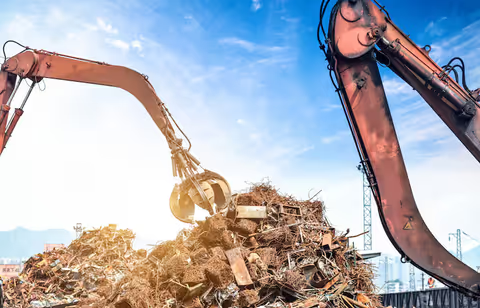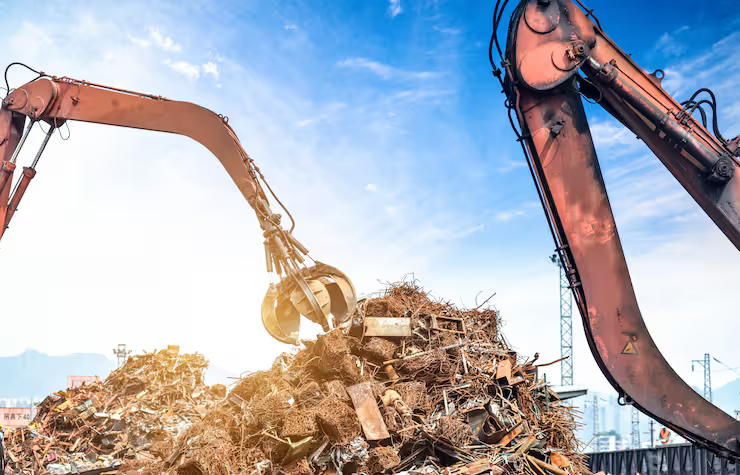
Industrial shredding refers to the mechanical process of reducing materials—such as metal, plastic, paper, rubber, and electronic waste—into smaller, manageable pieces using heavy-duty machines. These machines are designed to handle high volumes and tough materials, making them essential in industries like recycling, waste management, manufacturing, and logistics.
In recent years, industrial shredding has gained increasing importance due to rising environmental concerns and stricter waste management regulations. With global waste generation steadily increasing, industries are under pressure to adopt efficient material reduction and recycling practices. Shredding plays a critical role in enabling resource recovery, reducing landfill dependency, and improving operational efficiency.
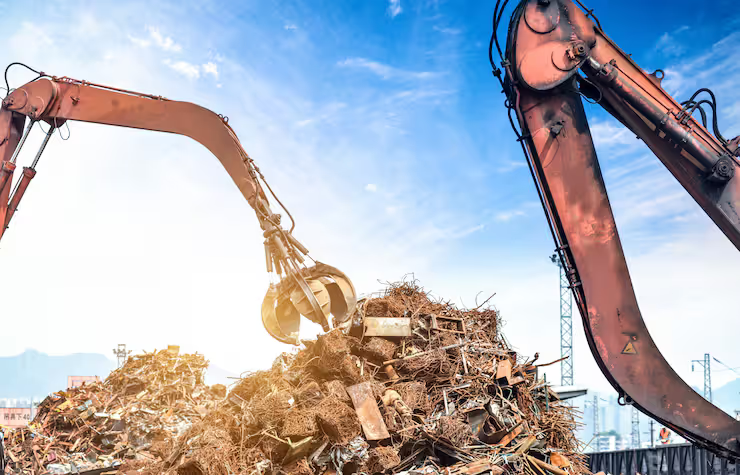
Technological advancements have also transformed shredding systems. Modern machines now integrate automation, energy-efficient motors, and smart monitoring systems. These trends reflect a broader shift toward sustainable industrial practices and digital transformation. As industries aim to meet environmental goals and optimize processes, understanding the basics of industrial shredding becomes increasingly relevant.
Who It Affects and What Problems It Solves
Industrial shredding impacts a wide range of sectors. Recycling facilities rely on shredders to break down materials for sorting and reprocessing. Manufacturing industries use shredding to manage production waste and reuse scrap materials. Municipal waste management systems depend on shredders to reduce waste volume before disposal or recycling. Additionally, sectors like healthcare and electronics use shredding for secure destruction of sensitive materials.
Small and medium enterprises (SMEs) are also increasingly adopting shredding solutions to comply with environmental standards and reduce waste handling costs. Even industries like agriculture and textiles benefit from shredding processes for biomass management and fabric recycling.
Problems It Solves
- Waste Volume Reduction: Shredding significantly reduces the size of waste, making transportation and storage more efficient.
- Improved Recycling Efficiency: Smaller material sizes allow easier sorting and processing.
- Data and Material Security: Sensitive materials like documents or electronic components can be securely destroyed.
- Environmental Impact Reduction: Supports recycling and reduces landfill use.
- Operational Efficiency: Streamlines waste handling and minimizes manual labor.
Recent Updates and Trends
Over the past year, industrial shredding has evolved with a focus on sustainability and automation. Governments and industries worldwide are emphasizing circular economy practices, where materials are reused rather than discarded.
One major trend is the adoption of AI-powered monitoring systems in shredders. These systems can detect overload conditions, optimize cutting efficiency, and reduce downtime. Another development is the use of energy-efficient motors, which lower operational costs and reduce carbon emissions.
The recycling industry has also seen increased demand for shredders capable of handling complex materials, such as lithium-ion batteries and composite plastics. This is driven by the growth of electric vehicles and electronic waste.
Additionally, stricter waste segregation policies in many countries have increased the need for advanced shredding systems that can process specific material streams. These changes highlight the growing importance of industrial shredding in modern waste management ecosystems.
Industrial Shredding Types Comparison Table
| Shredder Type | Material Suitability | Output Size Control | Energy Efficiency | Typical Use Case | Maintenance Level |
|---|---|---|---|---|---|
| Single Shaft | Plastic, wood, paper | High | Moderate | Recycling facilities | Low |
| Double Shaft | Metal, e-waste, bulky waste | Medium | Moderate | Heavy-duty industrial waste | Medium |
| Four Shaft | Mixed materials | Very High | Lower | Precise shredding applications | High |
| Granulators | Plastic, rubber | Very High | High | Fine material processing | Medium |
| Hammer Mills | Metal, glass | Low | High | High-speed crushing | High |
Laws and Policies Affecting Industrial Shredding
Industrial shredding is closely tied to environmental and waste management regulations. Governments impose rules to ensure safe handling, processing, and disposal of waste materials.
In countries like India, regulations such as the Solid Waste Management Rules and E-Waste Management Rules influence how shredding operations are conducted. These policies require proper segregation, recycling, and disposal of waste, making shredding a necessary step in compliance.
Globally, environmental frameworks emphasize reducing landfill waste and increasing recycling rates. Industries must ensure that shredding processes do not release harmful emissions or create hazardous by-products.
Practical Guidance
- For Recycling Businesses: Invest in shredders that meet compliance standards for specific materials like e-waste or plastics.
- For Manufacturers: Use shredding systems to manage production waste and align with sustainability goals.
- For Waste Management Firms: Choose high-capacity shredders to handle mixed waste streams efficiently.
- For Data-Sensitive Industries: Use specialized shredders for secure destruction of confidential materials.
Compliance is not just about avoiding penalties—it also improves operational efficiency and enhances corporate responsibility.
Tools and Resources
Several tools and resources can help businesses understand and implement industrial shredding effectively:
Digital Tools
- Waste Volume Calculators: Estimate how much waste can be reduced through shredding
- Energy Consumption Calculators: Analyze operational costs
- Maintenance Tracking Software: Monitor machine performance and schedule servicing
Industry Resources
- Environmental agency guidelines and documentation
- Recycling industry reports and whitepapers
- Equipment manufacturer manuals and technical documentation
Templates and Frameworks
- Waste audit templates
- Compliance checklists
- Equipment selection guides
Professional Services
- Waste management consultants
- Equipment maintenance providers
- Recycling process advisors
These tools help organizations make data-driven decisions and optimize shredding operations.
Frequently Asked Questions (FAQ)
What is industrial shredding used for?
Industrial shredding is used to reduce the size of materials for recycling, disposal, or secure destruction. It is widely applied in waste management, manufacturing, and recycling industries.
How does industrial shredding improve recycling efficiency?
By breaking materials into smaller pieces, shredding makes sorting and processing easier, improving the overall recycling workflow.
What materials can be processed using industrial shredders?
Industrial shredders can handle a wide range of materials, including plastics, metals, wood, paper, rubber, and electronic waste.
Are industrial shredders energy-efficient?
Modern shredders are designed with energy-efficient motors and automation features, although efficiency varies depending on the type and application.
What factors should be considered when choosing a shredder?
Key factors include material type, required output size, processing capacity, energy consumption, and maintenance requirements.
Conclusion
Industrial shredding is a fundamental process in modern waste management and recycling systems. Its ability to reduce material size, improve recycling efficiency, and support environmental compliance makes it a critical component across multiple industries.
Recent advancements, including automation and energy-efficient technologies, have further enhanced the role of shredding in sustainable operations. Data trends indicate increasing adoption of shredding systems due to stricter regulations and growing environmental awareness.
From a practical perspective, the choice of shredder depends on material type, operational scale, and compliance requirements. Organizations that invest in the right shredding technology can achieve better waste management outcomes, lower costs, and improved sustainability performance.