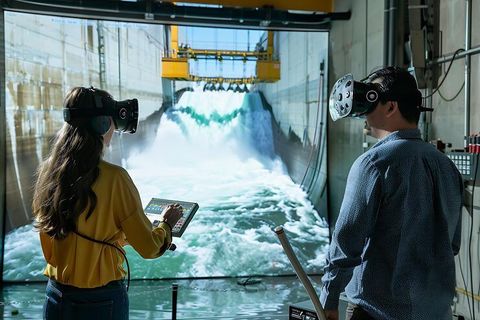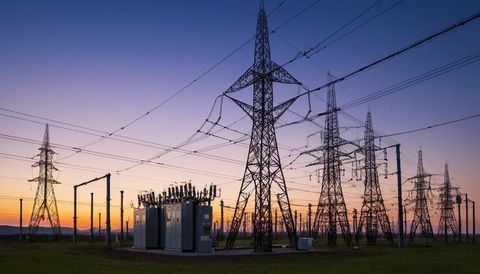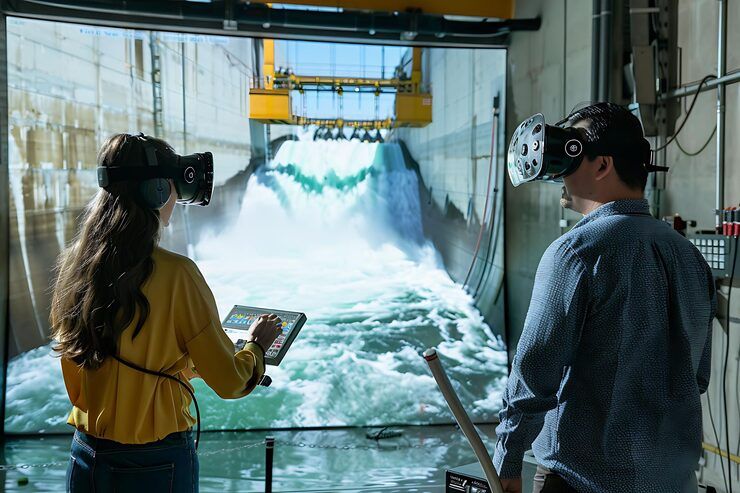
Hydropower, also known as hydroelectric power, is a renewable energy technology that generates electricity by harnessing the movement of water. It relies on the natural water cycle where water flows from higher elevations to lower levels to spin turbines connected to generators. This process converts kinetic and potential energy into electrical power without combustion or emissions during operation.
The concept of hydropower exists because water is one of the most reliable and abundant natural resources available globally. Rivers, dams, and reservoirs provide a consistent flow that can be converted into energy. Historically, water wheels were used for mechanical tasks, but modern hydropower systems use advanced turbine technology, smart grid integration, and energy storage systems to produce electricity efficiently.
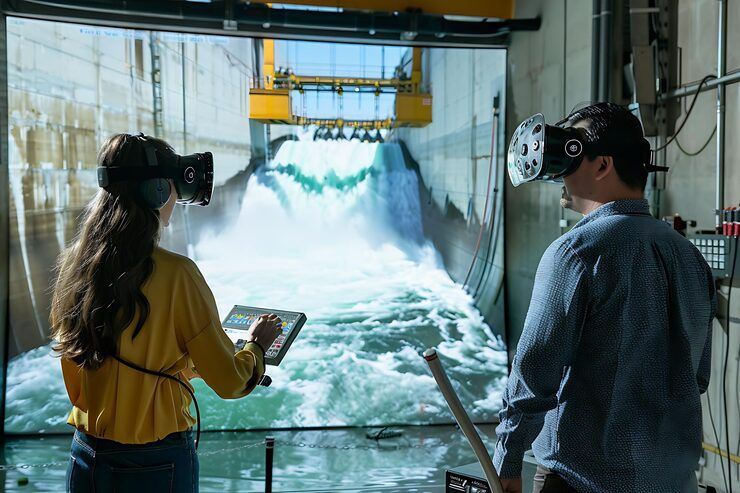
Hydropower systems are typically classified into several types:
-
Run-of-river systems that use natural river flow
-
Storage hydropower systems with reservoirs
-
Pumped storage systems that act as energy storage solutions
-
Micro and small-scale hydropower for localized generation
These systems play a key role in renewable energy infrastructure and are often integrated with grid stability solutions and smart energy management systems.
Why Hydropower Matters in Today’s Energy Landscape
Hydropower is one of the most important renewable energy sources in the global energy mix. It contributes significantly to clean electricity generation and supports sustainability goals, climate action strategies, and carbon reduction initiatives.
The importance of hydropower can be understood through several key aspects:
-
Reliable Energy Generation: Unlike solar or wind energy, hydropower can provide consistent output due to controlled water flow.
-
Grid Stability: Hydropower plants can quickly adjust output, making them essential for balancing electricity demand and supply.
-
Low Carbon Emissions: Hydropower produces minimal greenhouse gas emissions during operation, supporting climate change mitigation.
-
Energy Storage Capabilities: Pumped storage hydropower acts as a large-scale energy storage solution, essential for modern grids.
Hydropower affects multiple sectors, including:
-
Urban infrastructure and smart cities
-
Industrial energy consumption
-
Agricultural irrigation systems
-
Rural electrification and energy access
It also solves major challenges such as:
-
Reducing dependency on fossil fuels
-
Stabilizing fluctuating renewable energy inputs
-
Supporting energy security and long-term sustainability
Below is a simplified comparison of energy sources:
| Energy Source | Reliability | Emissions Level | Storage Capability | Scalability |
|---|---|---|---|---|
| Hydropower | High | Low | High | Medium |
| Solar Energy | Medium | Low | Medium | High |
| Wind Energy | Medium | Low | Medium | High |
| Fossil Fuels | High | High | Low | High |
Recent Trends and Developments in Hydropower
Hydropower has seen several technological and policy-driven advancements over the past year. These developments focus on improving efficiency, reducing environmental impact, and integrating with digital energy systems.
Key updates from 2024–2025 include:
-
Digital Hydropower Systems: Advanced monitoring using AI-based predictive maintenance and IoT sensors has improved turbine efficiency and reduced downtime.
-
Small Hydropower Expansion: Many regions are investing in micro-hydropower systems to support decentralized energy generation.
-
Hybrid Renewable Projects: Hydropower is increasingly combined with solar and wind systems to create hybrid energy solutions.
-
Environmental Mitigation Technologies: Fish-friendly turbines and improved water flow management are being adopted to reduce ecological impact.
-
Grid Modernization: Integration with smart grids and energy management platforms has enhanced hydropower’s role in energy balancing.
A simplified trend overview:
| Trend | Impact on Hydropower Sector |
|---|---|
| AI & Automation | Improved efficiency |
| Hybrid Energy Systems | Increased flexibility |
| Small-scale Projects | Local energy access |
| Environmental Innovations | Reduced ecological impact |
These trends highlight how hydropower is evolving beyond traditional dam-based systems into a more flexible and technology-driven renewable energy solution.
Regulations and Policy Framework
Hydropower development is influenced by national and international regulations that ensure environmental protection, water resource management, and energy sustainability.
In India, hydropower projects are governed by several regulatory frameworks:
-
National Hydropower Policy: Supports development of large and small hydropower projects with sustainability considerations
-
Environmental Impact Assessment (EIA): Required for project approval to evaluate ecological effects
-
Water Resource Management Laws: Ensure responsible use of river systems and reservoirs
-
Renewable Energy Targets: Hydropower contributes to national renewable energy goals under climate commitments
Global policies also play a role, including:
-
Carbon reduction targets under international climate agreements
-
Sustainable development goals (SDGs) focusing on clean energy
-
Cross-border water management treaties
These regulations ensure that hydropower projects balance energy generation with environmental and social responsibility.
Tools, Technologies, and Learning Resources
Hydropower development and analysis rely on various digital tools, platforms, and educational resources. These help engineers, researchers, and policymakers optimize performance and improve decision-making.
Useful tools and resources include:
-
Hydropower Simulation Software:
-
Models turbine performance and water flow dynamics
-
Supports feasibility analysis
-
-
Energy Calculators:
-
Estimate power output based on water flow and head height
-
Useful for small-scale project planning
-
-
Geographic Information Systems (GIS):
-
Identify suitable locations for hydropower plants
-
Analyze environmental and geographical data
-
-
Online Learning Platforms:
-
Courses on renewable energy systems and hydroelectric engineering
-
Certifications in sustainable energy management
-
-
Government Portals and Energy Dashboards:
-
Provide real-time data on energy production
-
Track renewable energy progress
-
-
Technical Reports and Research Papers:
-
Offer insights into innovations and case studies
-
A simplified hydropower calculation formula:
| Parameter | Description |
|---|---|
| Flow Rate (Q) | Volume of water per second |
| Head (H) | Height difference of water flow |
| Efficiency (η) | System efficiency factor |
| Power Output | P = ρ × g × Q × H × η |
Frequently Asked Questions
What is the main advantage of hydropower?
Hydropower provides reliable and consistent energy generation with low emissions, making it a key renewable energy source.
How does hydropower support energy storage?
Pumped storage hydropower stores energy by moving water between reservoirs, allowing energy to be used during peak demand.
Is hydropower environmentally friendly?
Hydropower has low emissions, but it requires careful planning to minimize ecological impacts such as habitat disruption.
Can hydropower be used on a small scale?
Yes, micro and small hydropower systems are suitable for rural and remote areas, providing localized energy solutions.
What factors affect hydropower efficiency?
Efficiency depends on water flow rate, turbine design, head height, and system maintenance.
Conclusion
Hydropower remains a foundational component of the global renewable energy ecosystem. Its ability to generate reliable electricity, support grid stability, and integrate with modern technologies makes it highly relevant in today’s energy transition. With advancements in digital monitoring, hybrid energy systems, and environmental protection measures, hydropower continues to evolve as a sustainable and adaptable energy solution.
As governments and industries focus on reducing carbon emissions and improving energy resilience, hydropower will play a critical role in achieving long-term sustainability goals. Understanding its concepts, tools, and policy frameworks helps individuals and organizations make informed decisions in the evolving energy landscape.