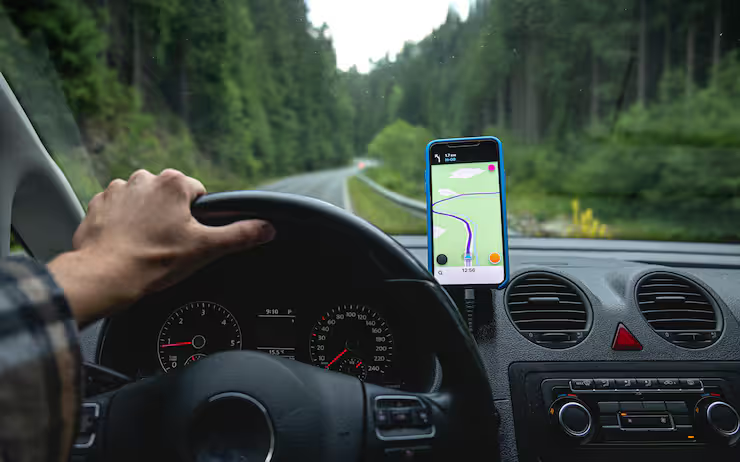
Fleet Tracking GPS refers to the use of Global Positioning System technology to monitor, manage, and optimize vehicles in real time. It enables businesses to track vehicle locations, driving behavior, fuel usage, routes, and operational efficiency through connected devices and software dashboards. This technology is widely used in industries such as logistics, transportation, delivery services, construction, and public transport.
In recent years, fleet tracking GPS has become increasingly important due to rising fuel costs, demand for faster deliveries, and the need for operational transparency. With the growth of e-commerce and last-mile delivery services, companies are under pressure to improve efficiency while reducing costs. GPS tracking systems help achieve this by providing real-time insights and actionable data.
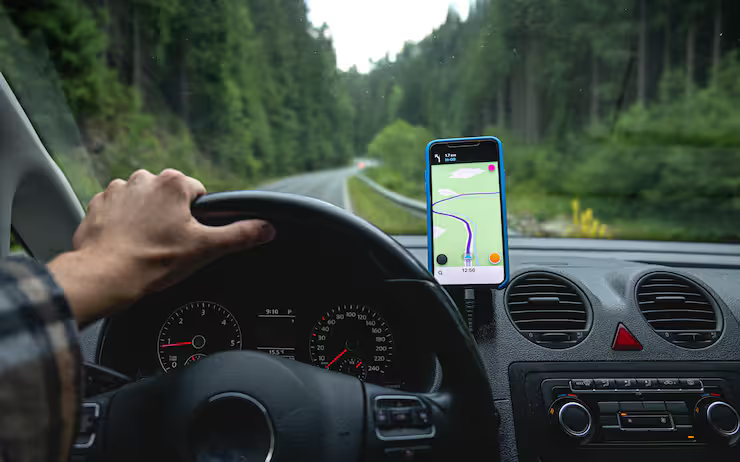
Trends such as IoT integration, AI-based route optimization, and cloud-based fleet management platforms are shaping the industry. Governments are also encouraging digital tracking for safety and compliance purposes. As a result, fleet tracking GPS is no longer a luxury but a necessity for businesses aiming to remain competitive and efficient in a data-driven environment.
Who It Affects and What Problems It Solves
Fleet tracking GPS impacts a wide range of stakeholders, including fleet managers, business owners, drivers, logistics coordinators, and even customers. For businesses with multiple vehicles, managing operations manually can be inefficient and prone to errors. GPS tracking introduces automation and visibility into daily operations, making it easier to manage fleets effectively.
Drivers also benefit from optimized routes and reduced workload, while customers gain better delivery transparency and estimated arrival times. Additionally, organizations can improve accountability and safety standards by monitoring driver behavior.
Problems It Solves
- Lack of Visibility: Real-time tracking eliminates uncertainty about vehicle location and status.
- Inefficient Routing: GPS systems optimize routes, reducing travel time and fuel consumption.
- Fuel Mismanagement: Monitoring fuel usage helps identify waste and theft.
- Poor Driver Behavior: Systems track speeding, harsh braking, and idling, improving safety.
- Maintenance Issues: Predictive alerts help prevent breakdowns and costly repairs.
- Delayed Deliveries: Improved scheduling and tracking enhance on-time performance.
- Manual Record Keeping: Automation reduces paperwork and human errors.
Recent Updates and Trends
Over the past year, fleet tracking GPS technology has seen several advancements and trends:
- AI and Predictive Analytics: Modern systems now use artificial intelligence to predict maintenance needs and optimize routes dynamically based on traffic patterns.
- Integration with IoT Devices: Sensors are being integrated to monitor temperature, cargo conditions, and vehicle health in real time.
- 5G Connectivity: Faster data transmission enables more accurate and real-time tracking, especially in urban environments.
- Electric Vehicle (EV) Fleet Tracking: With the rise of EV adoption, tracking systems now include battery health monitoring and charging optimization.
- Cloud-Based Platforms: Businesses are increasingly adopting cloud solutions for scalability and remote access.
- Data Privacy Focus: Regulatory frameworks are emphasizing secure data handling and user consent.
- Driver Safety Enhancements: Features like driver scoring, fatigue detection, and dashcam integration are becoming common.
These updates highlight a shift from basic tracking to intelligent fleet management systems.
Fleet Tracking GPS Comparison Table
| Feature | Basic GPS Tracking | Advanced GPS Tracking | AI-Enabled Fleet Systems |
|---|---|---|---|
| Real-Time Tracking | Yes | Yes | Yes |
| Route Optimization | Limited | Advanced | Dynamic & Predictive |
| Fuel Monitoring | Basic | Detailed | AI-Based Insights |
| Driver Behavior Tracking | No | Yes | Advanced Analytics |
| Maintenance Alerts | No | Scheduled Alerts | Predictive Maintenance |
| Data Analytics | Minimal | Moderate | Advanced & Automated |
| Integration Capabilities | Limited | API-Based | Full IoT Integration |
| Cost Level | Low | Medium | High |
| Scalability | Limited | Moderate | High |
| Ideal For | Small fleets | Medium businesses | Large enterprises |
Laws and Policies Affecting Fleet Tracking GPS
Fleet tracking GPS systems are influenced by various laws and regulations, particularly in countries like India and globally. These regulations focus on data privacy, vehicle compliance, and road safety.
Key Regulatory Areas
- Data Protection Laws: Businesses must comply with data privacy regulations when collecting and storing driver and vehicle data. Transparency and consent are essential.
- Transport Regulations: Commercial vehicles may be required to install GPS tracking for safety and monitoring purposes, especially in public transport and hazardous goods transport.
- Driver Privacy Rights: Employers must balance monitoring with employee privacy, ensuring data is used responsibly.
- Government Initiatives: Some regions promote GPS tracking for improving road safety and reducing traffic violations.
Practical Guidance
- Use GPS tracking for operational efficiency, not excessive surveillance.
- Ensure drivers are informed about tracking policies.
- Choose systems that comply with local data protection standards.
- Maintain secure data storage and access controls.
Tools and Resources
Several tools and platforms support fleet tracking GPS implementation. These include software, apps, and supporting technologies.
Common Tools
- Fleet Management Software: Platforms that provide dashboards, reports, and analytics.
- Mobile Apps: Allow managers to monitor fleets on the go.
- GPS Hardware Devices: Installed in vehicles for tracking and data collection.
- Route Optimization Tools: Help plan efficient delivery routes.
- Fuel Monitoring Systems: Track fuel usage and detect anomalies.
- Maintenance Scheduling Tools: Automate service reminders and inspections.
Useful Resources
- Online route planners and mapping tools
- Government transport portals for compliance updates
- Industry reports on logistics and fleet management trends
- Templates for fleet maintenance logs and driver reports
Frequently Asked Questions (FAQ)
What is fleet tracking GPS and how does it work?
Fleet tracking GPS uses satellite signals to determine vehicle location and transmit data to a central system, allowing real-time monitoring and analysis.
Is fleet tracking GPS suitable for small businesses?
Yes, basic GPS tracking solutions are cost-effective and suitable for small fleets, offering essential tracking and reporting features.
How does GPS tracking improve fuel efficiency?
It identifies inefficient routes, excessive idling, and poor driving habits, helping reduce fuel consumption.
Are there privacy concerns with GPS tracking?
Yes, businesses must ensure transparency, obtain consent, and follow data protection regulations to address privacy concerns.
What features should I look for in a GPS tracking system?
Key features include real-time tracking, route optimization, driver behavior monitoring, maintenance alerts, and data analytics.
Conclusion
Fleet tracking GPS has evolved into a critical tool for modern fleet management, driven by technological advancements and increasing operational demands. Data shows that businesses using GPS tracking systems often experience improved efficiency, reduced fuel costs, and better delivery performance due to enhanced visibility and automation.
The choice of system depends on fleet size, budget, and operational complexity. Basic systems are suitable for small businesses, while advanced and AI-enabled solutions offer deeper insights for larger enterprises. Regulatory compliance and data privacy considerations are equally important when implementing these systems.
Overall, fleet tracking GPS is a practical, data-driven solution that supports better decision-making, improves safety, and enhances operational efficiency. For most organizations, adopting at least a basic GPS tracking system is a recommended step toward modern fleet management.