Electric Vehicle Management refers to the systems, strategies, and technologies used to monitor, control, and optimize electric vehicles (EVs) and their supporting infrastructure. This includes battery management systems (BMS), charging networks, fleet tracking, energy optimization, and performance analytics.
The rise of EVs is driven by the global transition toward clean energy, carbon emission reduction, and sustainable transportation. Unlike traditional fuel-based vehicles, EVs require advanced digital management systems to ensure efficiency, safety, and reliability.

Key components of EV management include:
-
Battery performance monitoring and lifecycle management
-
Smart charging infrastructure and load balancing
-
Fleet management systems for electric mobility
-
Data analytics for energy consumption and optimization
-
Integration with renewable energy sources
As EV adoption grows, managing energy usage, charging demand, and vehicle performance becomes essential for both individuals and organizations.
Importance – Why Electric Vehicle Management Matters
Electric Vehicle Management plays a critical role in shaping modern transportation systems. It impacts individuals, businesses, governments, and energy providers.
Key reasons why it matters today:
-
Energy Efficiency Optimization
Advanced EV energy management systems help reduce power consumption and improve driving range through intelligent battery usage and regenerative braking. -
Smart Charging Infrastructure Development
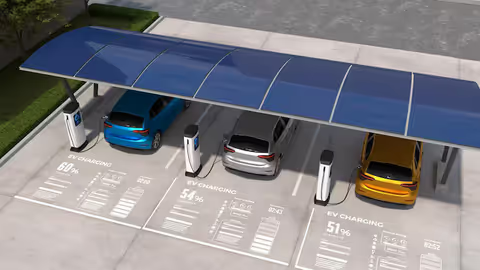
With increasing EV adoption, managing charging stations and grid load is essential to prevent energy overload and ensure consistent availability. -
Fleet Electrification and Telematics
Businesses managing electric fleets rely on telematics, GPS tracking, and predictive analytics to improve operational efficiency and reduce downtime. -
Battery Lifecycle Management
EV batteries degrade over time. Efficient monitoring ensures longer lifespan, better safety, and improved performance. -
Environmental Impact Reduction
Proper EV management supports lower carbon emissions, aligning with global sustainability and climate goals. -
Grid Integration and Renewable Energy Usage
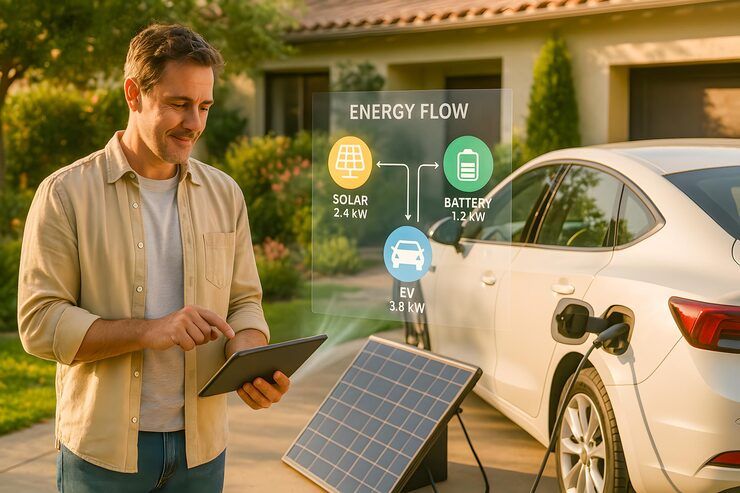
EVs can integrate with solar and wind energy systems, enabling smart grid solutions and vehicle-to-grid (V2G) technology.
Recent Updates – Trends and Developments (2024–2025)
The EV ecosystem has evolved rapidly over the past year, with major technological and policy-driven advancements.
-
2025: Expansion of Fast-Charging Networks
Ultra-fast DC charging infrastructure has expanded globally, reducing charging time significantly and improving convenience for users. -
Battery Technology Innovations (2024–2025)
Solid-state batteries and lithium-iron-phosphate (LFP) advancements have improved energy density, safety, and durability. -
AI-Based Energy Management Systems
Artificial intelligence is now used to optimize charging schedules, predict battery health, and manage energy consumption efficiently. -
Vehicle-to-Grid (V2G) Adoption
EVs are increasingly being used as energy storage units that can supply power back to the grid during peak demand. -
Connected EV Ecosystems
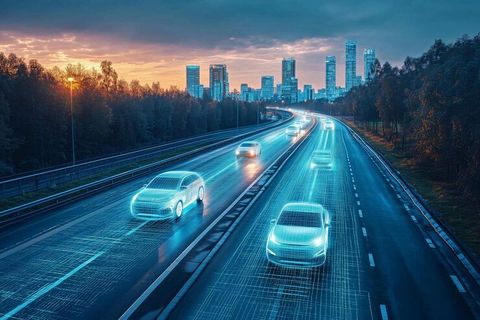
Integration with IoT platforms allows real-time monitoring, remote diagnostics, and predictive maintenance. -
India’s EV Growth (2024–2025)
Laws or Policies – Regulations and Government Programs
India has seen a surge in EV adoption, with increased investment in charging infrastructure and battery manufacturing under national initiatives.
Electric Vehicle Management is strongly influenced by government policies and regulatory frameworks, especially in countries like India.
Key policies include:
-
FAME II (Faster Adoption and Manufacturing of Electric Vehicles)
Supports EV adoption through incentives for manufacturers and infrastructure development. -
PLI Scheme for Advanced Chemistry Cell (ACC)
Encourages domestic battery manufacturing to reduce dependency on imports. -
State-Level EV Policies
Various states in India offer incentives, infrastructure support, and tax benefits to promote EV adoption. -
Charging Infrastructure Guidelines (India, 2024 Update)
New guidelines simplify installation of EV charging stations and promote private and public participation. -
Global Emission Norms and ESG Compliance
EV management aligns with environmental, social, and governance (ESG) frameworks and carbon neutrality goals.
Table: Key EV Policy Focus Areas
| Policy Area | Focus Objective |
|---|---|
| Battery Manufacturing | Local production and innovation |
| Charging Infrastructure | Network expansion and accessibility |
| Emission Reduction Targets | Lower carbon footprint |
| Renewable Integration | Clean energy adoption |
| Smart Mobility Systems | Digital and AI-based vehicle management |
Tools and Resources – Useful Platforms and Technologies
Effective EV management relies on various digital tools and platforms designed to optimize performance and energy usage.
Important tools and resources include:
-
Battery Management Systems (BMS)
Monitor battery health, temperature, and charging cycles. -
EV Charging Management Software
Helps track charging sessions, optimize schedules, and manage multiple charging points. -
Fleet Telematics Platforms
Provide real-time tracking, route optimization, and driver behavior analysis. -
Energy Management Systems (EMS)
Integrate EV charging with renewable energy sources like solar panels. -
Mobile Applications for EV Users
Offer features like charging station locators, trip planning, and performance insights. -
Data Analytics Dashboards
Provide insights into energy consumption, efficiency metrics, and predictive maintenance.
Table: EV Management Tools Overview
| Tool Type | Primary Function |
|---|---|
| BMS | Battery monitoring and safety |
| Charging Software | Charging optimization |
| Telematics Systems | Fleet tracking and analytics |
| EMS | Energy integration and load management |
| Mobile Apps | User interaction and navigation |
FAQs – Common Questions About Electric Vehicle Management
What is a Battery Management System (BMS)?
A BMS is a critical component that monitors battery performance, ensures safety, and optimizes charging and discharging cycles in an electric vehicle.
How does smart charging work in EVs?
Smart charging uses software and connectivity to schedule charging during low-demand periods, reducing grid stress and improving efficiency.
What is vehicle-to-grid (V2G) technology?
V2G allows electric vehicles to send stored energy back to the power grid, helping balance electricity demand during peak times.
How is EV fleet management different from traditional fleet management?
EV fleet management focuses more on energy consumption, charging schedules, and battery health rather than fuel usage.
Why is data analytics important in EV management?
Data analytics helps track performance, predict maintenance needs, and improve energy efficiency through real-time insights.
Conclusion
Electric Vehicle Management is a vital component of the modern mobility ecosystem. As the world transitions toward sustainable transportation, efficient management systems ensure that EVs operate safely, reliably, and efficiently.
From battery optimization and smart charging to AI-driven analytics and government policies, every aspect contributes to a well-integrated EV infrastructure. The rapid advancements in technology and supportive regulatory frameworks are accelerating adoption and making EV systems more intelligent and scalable.
Understanding EV management is essential not only for industry professionals but also for everyday users who want to maximize performance and contribute to a cleaner environment. As innovation continues, electric vehicle ecosystems will become more connected, efficient, and integral to global energy systems.