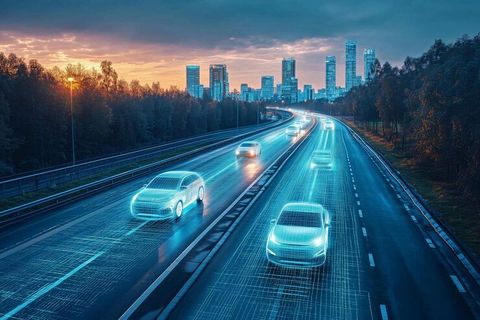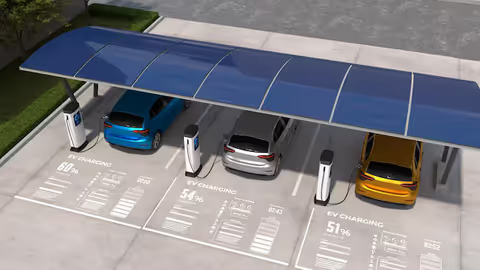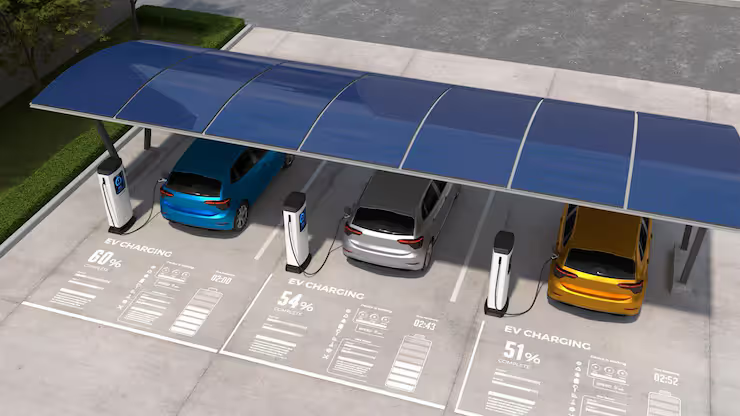
Electric vehicle charging stations are essential infrastructure designed to supply electrical energy to recharge electric vehicles (EVs). As transportation systems transition from internal combustion engines toward electrified mobility, charging networks have become a foundational component of modern energy ecosystems.
An electric vehicle charging station connects an EV to an electrical power source, enabling battery replenishment through standardized connectors and charging protocols. These stations can be installed in residential areas, commercial buildings, highways, and public parking facilities, creating an interconnected electric mobility infrastructure.
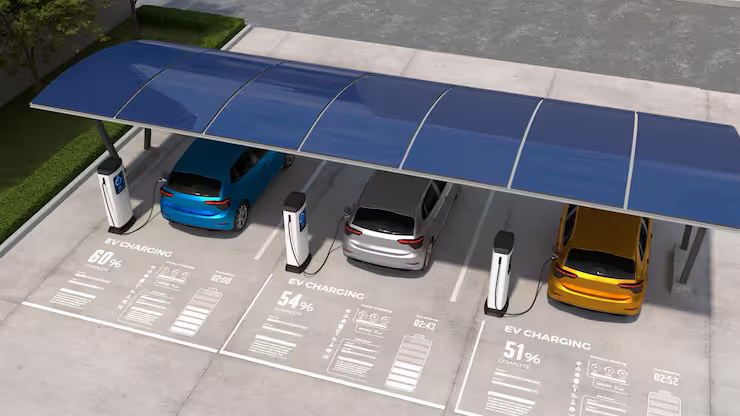
The concept of EV charging infrastructure developed alongside advancements in battery technology, grid modernization, and renewable energy integration. As electric mobility expands globally, charging stations play a key role in supporting sustainable transportation, energy efficiency, and reduced carbon emissions.
Charging systems vary based on voltage levels, charging speeds, and infrastructure design. Common categories include Level 1 charging, Level 2 charging, and direct current fast charging (DC fast charging). These systems support different charging needs ranging from overnight residential charging to rapid highway charging networks.
The following table highlights the primary types of EV charging technologies.
| Charging Type | Voltage Range | Typical Charging Speed | Common Locations |
|---|---|---|---|
| Level 1 Charging | 120V | Slow charging | Residential garages |
| Level 2 Charging | 240V | Moderate charging | Offices, parking facilities |
| DC Fast Charging | 400V–800V | Rapid charging | Highways, public charging hubs |
Electric vehicle charging infrastructure operates within a broader ecosystem that includes smart grid technology, renewable energy systems, battery management systems, and digital monitoring platforms. These technologies together create intelligent energy networks that support electric transportation growth.
Importance of Electric Vehicle Charging Stations in Modern Transportation
Electric vehicle charging stations are central to the adoption and expansion of electric mobility. Without accessible and reliable charging infrastructure, widespread EV adoption would face significant limitations.
Charging networks help solve one of the most common concerns related to electric vehicles: range confidence. Drivers need convenient charging availability across cities, highways, and workplaces to ensure uninterrupted mobility.
The importance of EV charging infrastructure extends across several sectors:
• Transportation systems transitioning toward low-emission mobility
• Energy infrastructure integrating renewable electricity sources
• Urban planning supporting smart city transportation solutions
• Automotive industry innovation focusing on electric powertrains
Charging stations also support energy grid modernization. Many new systems integrate with smart grid technologies that allow energy flow management, demand balancing, and renewable energy integration.
Another important aspect is environmental sustainability. Electric vehicle charging networks support the reduction of greenhouse gas emissions and air pollution by encouraging a shift away from fossil-fuel-based transportation.
Key benefits associated with EV charging infrastructure include:
• Improved transportation energy efficiency
• Lower urban air pollution levels
• Integration with renewable energy sources
• Support for smart mobility ecosystems
Electric charging stations also enable future transportation technologies such as vehicle-to-grid (V2G) systems. In this system, EV batteries can send electricity back to the grid during peak demand periods, contributing to energy stability.
The following chart conceptually illustrates how EV charging infrastructure interacts with energy and transportation systems.
| System Component | Role in EV Charging Ecosystem |
|---|---|
| Smart Grid Systems | Energy distribution and load balancing |
| Renewable Energy Sources | Clean electricity generation |
| Charging Infrastructure | Power delivery to EV batteries |
| Battery Technology | Energy storage and vehicle operation |
Recent Updates and Trends in Electric Vehicle Charging Infrastructure
The past year has seen rapid development in EV charging technology, infrastructure expansion, and policy initiatives worldwide.
One major trend is the expansion of ultra-fast charging networks. Many charging providers now deploy 350 kW DC fast chargers capable of significantly reducing charging time for compatible electric vehicles.
Another important development is the adoption of unified charging standards across global markets. In 2024 and 2025, several automotive manufacturers announced support for standardized charging connectors to improve compatibility between EV models and charging stations.
Charging infrastructure is also increasingly integrated with digital platforms. Mobile applications now provide real-time charging station data including:
• Charging availability
• Charging speed capability
• Station location mapping
• Grid energy status
In 2025, many regions accelerated investment in EV infrastructure through public and private partnerships. Large highway charging corridors have expanded significantly, improving long-distance EV travel capability.
A notable technological advancement is the growth of smart charging systems, which dynamically adjust charging speeds based on grid demand and electricity supply. These systems help maintain grid stability while supporting EV charging growth.
Another emerging innovation involves wireless charging technology, also called inductive charging. Though still in development stages, this technology allows vehicles to recharge without physical cables through embedded charging pads.
Recent developments also emphasize renewable-powered charging stations, where solar energy and battery storage systems are integrated directly into charging infrastructure.
Laws, Regulations, and Government Programs
Electric vehicle charging infrastructure development is strongly influenced by national and regional policies designed to accelerate electric mobility adoption.
Many countries have introduced regulatory frameworks encouraging the deployment of EV charging stations as part of broader climate and energy strategies.
In India, EV charging infrastructure expansion is supported by the Faster Adoption and Manufacturing of Hybrid and Electric Vehicles (FAME) India Scheme. This government initiative promotes electric mobility through infrastructure development, technology adoption, and ecosystem support.
The Ministry of Power has also issued guidelines for EV charging infrastructure development across cities and highways. These guidelines focus on accessibility, safety standards, and grid integration.
Several regulatory policies influence EV charging infrastructure development:
• Grid connection standards for charging stations
• Safety compliance for electrical systems
• Charging connector standardization
• Urban planning guidelines for charging access
In many regions, local governments also encourage EV charging integration in new building developments and commercial complexes. This approach supports long-term infrastructure expansion without requiring major retrofitting.
Global initiatives also influence charging infrastructure development. International climate agreements and emissions reduction goals continue to accelerate investment in electric mobility technologies.
These policies ensure that charging networks expand alongside electric vehicle adoption while maintaining safety, energy reliability, and grid efficiency.
Tools and Resources for Understanding EV Charging Infrastructure
A variety of digital tools and information platforms help drivers, researchers, and policymakers understand EV charging infrastructure and electric mobility systems.
These resources provide data on charging networks, energy consumption patterns, and EV infrastructure mapping.
Common tools and platforms include:
• EV charging station locator apps
• Electric vehicle route planning tools
• Smart grid monitoring dashboards
• Energy consumption calculators
One widely used mobile application is PlugShare, which provides global maps of charging stations and real-time availability updates.
Another useful resource is International Energy Agency, which publishes detailed reports and statistics on electric mobility trends and charging infrastructure development.
Energy monitoring platforms also help visualize EV infrastructure expansion using data dashboards and analytical tools. These tools are valuable for policymakers, researchers, and urban planners analyzing electric mobility adoption.
Helpful resource categories include:
| Resource Type | Purpose |
|---|---|
| Charging station maps | Locate charging infrastructure |
| Energy data dashboards | Monitor EV infrastructure growth |
| Mobility research reports | Study electric vehicle trends |
| Grid management tools | Analyze electricity demand patterns |
These tools help improve understanding of electric transportation systems and support informed decision-making related to infrastructure development.
Frequently Asked Questions About EV Charging Stations
What is an electric vehicle charging station?
An electric vehicle charging station is an infrastructure system that supplies electrical power to recharge electric vehicles. It connects EV batteries to an electricity source through standardized charging connectors and charging equipment.
How many types of EV charging stations exist?
Most EV charging systems fall into three categories:
• Level 1 charging
• Level 2 charging
• DC fast charging
Each category differs in charging speed, voltage level, and infrastructure complexity.
How long does EV charging typically take?
Charging time varies depending on battery capacity, charger power level, and vehicle compatibility. Level 1 charging can take several hours, while DC fast charging can significantly reduce charging time for compatible vehicles.
What role does the smart grid play in EV charging?
Smart grid technology helps manage electricity distribution for EV charging networks. It balances electricity demand, integrates renewable energy sources, and enables smart charging systems that optimize grid performance.
Can EV charging stations use renewable energy?
Yes. Many charging stations integrate renewable energy systems such as solar panels and battery storage to supply clean electricity to electric vehicles. This approach reduces carbon emissions associated with transportation energy consumption.
Conclusion
Electric vehicle charging stations represent a critical component of the global transition toward sustainable transportation and advanced energy infrastructure. As electric mobility adoption continues to grow, charging networks provide the essential link between vehicles, energy systems, and digital technologies.
The expansion of EV charging infrastructure supports energy efficiency, reduces transportation emissions, and encourages innovation in smart mobility solutions. Technological developments such as ultra-fast charging, smart grid integration, and renewable-powered charging stations continue to reshape the electric mobility landscape.
Government policies, regulatory frameworks, and international energy initiatives also play a vital role in accelerating charging infrastructure development. These efforts ensure that charging networks remain accessible, reliable, and compatible with modern transportation systems.
With ongoing advancements in battery technology, energy management systems, and charging standards, electric vehicle charging infrastructure will continue to evolve as a foundational element of future transportation ecosystems.