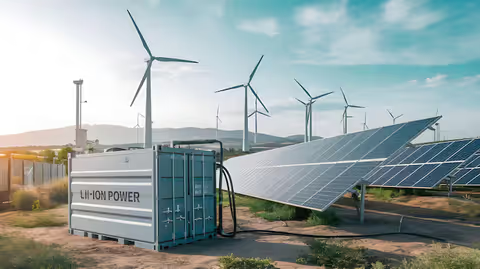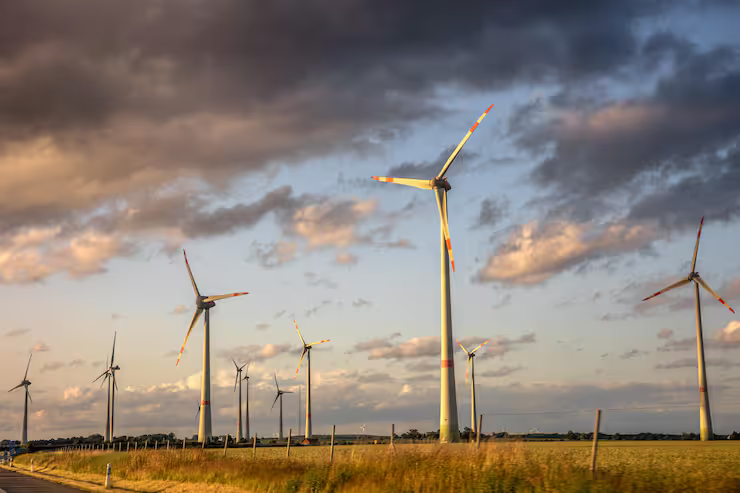
Wind energy turbines are advanced mechanical systems designed to convert kinetic wind movement into electrical power. These turbines operate through aerodynamic blades connected to a rotor and generator, transforming wind flow into rotational energy and then into electricity. As part of the broader renewable energy systems landscape, wind turbines play a major role in modern clean electricity generation and sustainable infrastructure development.
Wind power technology emerged from early windmills used for grinding grain and pumping water. Over time, engineering advancements transformed these mechanical devices into sophisticated power generation units integrated into modern electricity grids. Today, large-scale wind farm technology is used across coastal regions, plains, and offshore locations where consistent wind patterns exist.
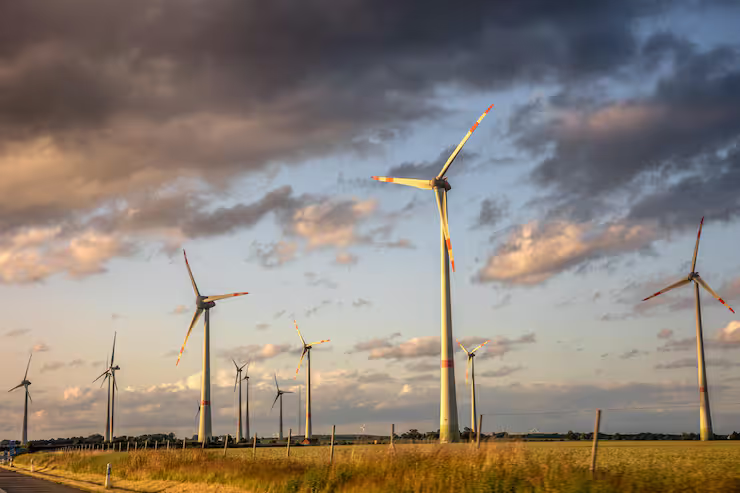
Modern turbines include several critical components:
-
Rotor blades designed with aerodynamic profiles
-
Nacelle containing the gearbox and generator
-
Tower structure supporting high elevation wind capture
-
Control systems managing turbine orientation and performance
Wind energy systems operate on the principle that higher wind speeds produce more mechanical rotation and therefore higher electricity output. Turbines are strategically positioned in wind farms to optimize airflow and minimize turbulence interference.
Wind energy technology is widely studied within fields such as renewable power engineering, grid integration technology, and sustainable energy infrastructure development. These systems contribute significantly to the global transition toward low-carbon electricity generation.
Importance: Why Wind Energy Technology Matters in Modern Energy Infrastructure
Wind energy turbines have become a critical component of the global energy transition. Rising electricity demand, climate change concerns, and the need for sustainable energy sources have increased interest in renewable power technologies.
Wind energy contributes to clean electricity generation without combustion emissions. Unlike fossil-fuel power plants, wind turbines generate electricity directly from natural atmospheric motion. This capability makes wind power an essential contributor to long-term energy transition strategies.
Several groups benefit from wind energy infrastructure:
-
Electricity grid operators integrating renewable power sources
-
Environmental researchers studying carbon emission reduction
-
Engineers designing modern turbine technology
-
Governments pursuing sustainable energy policies
Wind power also supports grid diversification. Energy systems that rely on multiple power sources are generally more resilient to supply disruptions and fuel price volatility.
The following table highlights key advantages associated with wind energy systems.
| Factor | Wind Energy Contribution |
|---|---|
| Electricity Generation | Clean renewable electricity production |
| Environmental Impact | Reduced greenhouse gas emissions |
| Energy Security | Diversification of national energy sources |
| Technology Innovation | Growth in turbine engineering and smart grid systems |
Wind turbines are particularly effective in areas with strong and consistent wind resources such as coastal regions, mountain passes, and offshore zones. Offshore wind installations, for example, benefit from higher wind speeds and fewer physical obstacles compared with land-based turbines.
As electricity grids evolve, wind energy is increasingly integrated with energy storage technology, smart grid infrastructure, and advanced forecasting systems.
Recent Updates: Technology Developments and Industry Trends
Wind energy technology has evolved rapidly during the past year as countries accelerate renewable energy adoption.
In 2025, several large offshore wind turbine prototypes were introduced, featuring taller towers and longer blades designed to capture stronger wind flows at higher altitudes. These next-generation turbines significantly increase electricity generation efficiency.
Major global developments include:
-
Increased deployment of offshore wind power infrastructure
-
Improved turbine blade materials using lightweight composites
-
Integration of AI-based wind forecasting systems
-
Enhanced grid balancing technologies for renewable energy
Floating offshore wind platforms have also gained attention. These platforms allow turbines to operate in deeper ocean waters where wind speeds are stronger and more consistent.
Another notable trend involves digital monitoring systems. Modern turbines include sensors that track vibration, blade movement, and weather conditions. These systems help improve operational efficiency and extend turbine lifespan.
The following simplified illustration represents the energy conversion process in a wind turbine.
| Stage | Energy Transformation |
|---|---|
| Wind Flow | Kinetic energy from moving air |
| Rotor Rotation | Mechanical rotational energy |
| Generator Operation | Conversion into electrical energy |
| Grid Transmission | Electricity distributed through power grid |
Wind forecasting models have also improved, enabling grid operators to better predict electricity output from wind farms. This helps stabilize renewable power integration within national electricity systems.
Laws or Policies Influencing Wind Energy Development
Wind energy deployment is influenced by national energy policies, environmental regulations, and renewable energy targets. Many governments encourage wind power development through long-term climate strategies and clean energy programs.
In India, wind power expansion is guided by initiatives such as the National Wind-Solar Hybrid Policy and renewable energy targets set by the Ministry of New and Renewable Energy (MNRE). These policies promote integrated renewable systems combining wind and solar generation to improve grid reliability.
Important policy objectives include:
-
Increasing renewable energy capacity
-
Encouraging sustainable electricity infrastructure
-
Supporting technological innovation in turbine design
-
Enhancing grid integration capabilities
Internationally, many countries align wind energy development with global climate commitments under the Paris Climate Agreement. Renewable energy technologies like wind power help reduce reliance on carbon-intensive electricity generation.
Environmental regulations also guide wind farm placement to minimize ecological impact. Studies often examine factors such as bird migration routes, marine ecosystems, and local weather patterns before installing wind turbines.
Policy frameworks also encourage research into advanced turbine engineering, energy storage solutions, and smart grid integration technologies.
Tools and Resources for Learning About Wind Energy Systems
A variety of digital tools and technical resources help researchers, engineers, and students explore wind energy systems and turbine performance analysis.
Commonly used resources include:
• Wind Resource Maps – Geographic datasets showing wind speed potential across regions
• Turbine Performance Calculators – Analytical tools used for estimating power generation potential
• Renewable Energy Simulation Software – Platforms used to model wind farm layouts and grid integration
• Meteorological Data Platforms – Databases tracking wind speed patterns and atmospheric conditions
• Energy System Modeling Tools – Applications used in renewable energy research and forecasting
Educational platforms and research institutions also publish technical papers, wind energy datasets, and renewable power case studies.
Many universities provide open renewable energy courses covering topics such as:
-
Wind turbine aerodynamics
-
Renewable energy engineering
-
Grid integration and energy storage
-
Offshore wind infrastructure design
These resources help learners understand how turbine systems interact with weather patterns, electricity networks, and environmental conditions.
Frequently Asked Questions About Wind Energy Turbines
What is a wind energy turbine?
A wind energy turbine is a mechanical device that converts wind movement into electrical energy using rotor blades, a generator, and control systems.
How do wind turbines generate electricity?
Wind flows across the blades, causing them to rotate. This rotation turns a generator inside the nacelle, producing electrical energy that is transmitted to the power grid.
What factors influence turbine efficiency?
Efficiency depends on wind speed, blade design, turbine height, atmospheric conditions, and grid integration technology.
What is offshore wind power?
Offshore wind power refers to wind turbines installed in ocean or sea locations where wind speeds are stronger and more consistent than on land.
Can wind energy support large electricity grids?
Yes. Wind energy can contribute significantly to national electricity systems when combined with grid management systems, energy storage technologies, and diversified renewable energy sources.
Conclusion
Wind energy turbines represent one of the most important technologies within the global renewable energy landscape. By converting natural wind movement into clean electricity, these systems support sustainable power generation while reducing reliance on fossil fuels.
Advances in turbine engineering, digital monitoring systems, and offshore wind infrastructure continue to improve wind power efficiency. Governments and research institutions worldwide are investing in renewable energy innovation to strengthen long-term energy security and environmental sustainability.
As electricity demand grows and climate concerns intensify, wind energy turbines will remain central to modern clean electricity generation, renewable infrastructure development, and the ongoing global energy transition.