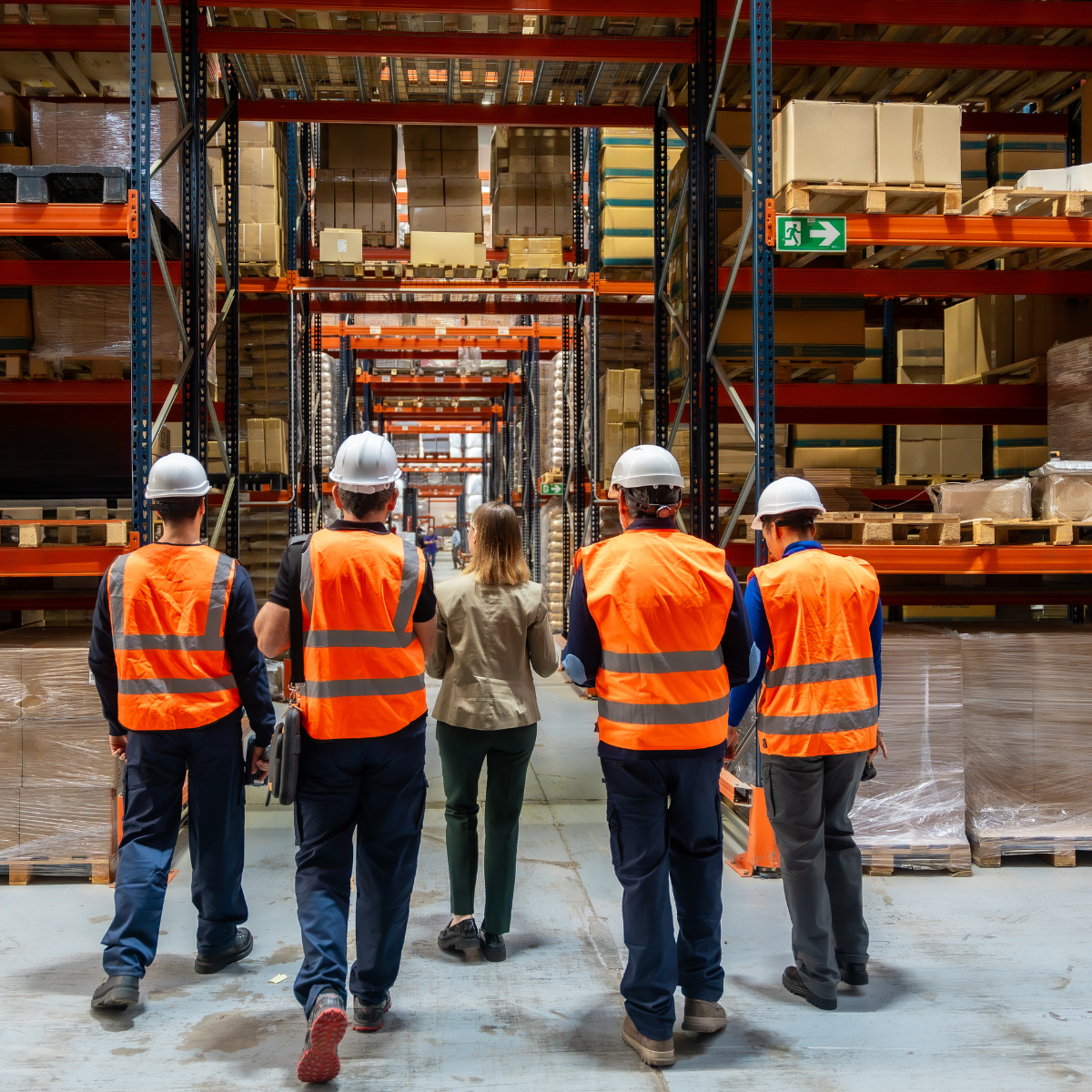
Industrial gases play a critical role in modern manufacturing, healthcare, energy, food processing, electronics, and infrastructure development. Oxygen, nitrogen, hydrogen, argon, carbon dioxide, and specialty gases are essential inputs across thousands of daily operations. For decades, the logistics behind these gases remained relatively unchanged: bulk production, cylinder distribution, fixed delivery schedules, and manual tracking. That model is now evolving.
What Industrial Gas Logistics Includes
Before exploring what is changing, it helps to define what industrial gas logistics covers in practice:
-
Production planning and gas sourcing
-
Storage systems (cylinders, bulk tanks, on-site generation)
-
Transportation (road tankers, cylinder trucks, cryogenic delivery)
-
Inventory management and forecasting
-
Safety handling and compliance monitoring
-
Delivery scheduling and emergency supply management
Any change in these areas can significantly impact how reliably gases reach end users.
Key Benefits Driving Change in Industrial Gas Logistics
The shift in industrial gas logistics is not driven by technology alone. It is driven by practical benefits that address long-standing operational challenges.
Improved Supply Reliability
Modern logistics models reduce dependence on fixed delivery cycles and manual forecasting. This helps prevent unexpected shortages that can halt production or compromise safety.
Better Cost Predictability
While logistics modernization does not eliminate costs, it improves visibility into consumption patterns, reducing waste, emergency deliveries, and overstocking.
Enhanced Safety and Compliance
Improved monitoring and standardized handling processes reduce risks associated with leaks, pressure failures, and improper storage.
Greater Operational Flexibility
Companies can adapt faster to changes in demand, seasonal production shifts, or emergency requirements.
Reduced Environmental Impact
Optimized routing, efficient storage methods, and better consumption tracking support sustainability goals without requiring radical operational changes.
Limitations and Ongoing Challenges
Despite these improvements, industrial gas logistics still faces practical limitations.
Infrastructure Constraints
Not all facilities are designed for bulk storage, cryogenic tanks, or on-site gas generation. Retrofitting can be complex.
Skill and Training Requirements
Advanced logistics systems require trained personnel who understand both gas handling and digital monitoring tools.
Regulatory Complexity
Compliance requirements vary by region and gas type, making standardization difficult across multi-site operations.
Dependency on External Supply Chains
Even with better logistics, many industries remain dependent on third-party suppliers and transportation networks.
Understanding these limitations helps buyers evaluate realistic expectations rather than assuming logistics upgrades solve every issue.
Types of Industrial Gas Logistics Models
Industrial gas logistics now operates across several distinct models. Each serves different operational needs.
1. Cylinder-Based Distribution
This traditional model involves individual cylinders delivered on a scheduled or on-demand basis.
Best suited for:
-
Low to moderate consumption
-
Specialized or laboratory gases
-
Facilities with limited storage space
Limitations:
-
Manual handling
-
Higher risk of shortages
-
Less efficient for large volumes
2. Bulk Liquid Delivery
Gases are delivered in liquid form and stored in on-site cryogenic tanks.
Best suited for:
-
Continuous, high-volume consumption
-
Manufacturing and processing plants
Limitations:
-
Requires infrastructure investment
-
Space and safety planning needed
3. On-Site Gas Generation
Gases are produced directly at the point of use through dedicated systems.
Best suited for:
-
Stable, predictable demand
-
Long-term operational planning
Limitations:
-
Not suitable for all gas types
-
Requires maintenance and monitoring
4. Hybrid Logistics Models
A combination of bulk supply, cylinders, and on-site generation to balance flexibility and cost.
Best suited for:
-
Facilities with fluctuating demand
-
Multi-gas environments
What’s Changing: Major Trends in Industrial Gas Logistics
Several shifts are reshaping how industrial gas logistics works in practice.
Data-Driven Consumption Planning
Companies are moving away from guesswork and static reorder points toward data-based consumption tracking. This reduces both shortages and excess inventory.
Flexible Delivery Scheduling
Rather than fixed weekly or monthly deliveries, logistics systems now adapt to real usage patterns.
Increased Focus on Risk Management
Logistics planning increasingly accounts for supply disruptions, transportation delays, and emergency scenarios.
Sustainability Considerations
Organizations are evaluating logistics decisions based not only on cost but also on environmental impact and regulatory expectations.
Integration with Plant Operations
Gas logistics is no longer managed in isolation. It is increasingly integrated with production planning and maintenance systems.
Key Features Buyers Should Consider
When evaluating industrial gas logistics options, buyers should focus on practical features rather than marketing claims.
Visibility and Monitoring
-
Clear tracking of inventory levels
-
Usage trend reporting
-
Alerts for abnormal consumption
Safety Controls
-
Compliance with storage and handling standards
-
Emergency response protocols
-
Regular inspection and testing support
Scalability
-
Ability to adjust to growth or production changes
-
Support for multiple gas types
Reliability and Redundancy
-
Backup supply options
-
Contingency planning
Ease of Integration
-
Compatibility with existing infrastructure
-
Minimal disruption during implementation
Comparison Table: Common Logistics Models
| Criteria | Cylinders | Bulk Storage | On-Site Generation | Hybrid |
|---|---|---|---|---|
| Volume Capacity | Low | High | Medium to High | Flexible |
| Infrastructure Need | Minimal | Significant | Moderate | Moderate |
| Supply Stability | Variable | High | High | High |
| Operational Flexibility | Low | Medium | Medium | High |
| Best for Growth | Limited | Planned | Stable Demand | Dynamic Demand |
Leading Players and Solution Types (Overview)
The industrial gas logistics ecosystem typically includes:
-
Global industrial gas producers with integrated logistics networks
-
Regional gas suppliers with localized delivery models
-
Equipment manufacturers specializing in storage and monitoring systems
-
Service providers offering logistics planning and compliance support
Buyers often evaluate combinations of these providers rather than relying on a single solution.
How to Choose the Right Industrial Gas Logistics Approach
Choosing the right model depends on operational reality, not trends alone.
Step-by-Step Decision Checklist
-
Assess current gas consumption patterns
-
Identify critical gases that cannot tolerate supply interruption
-
Evaluate available space and infrastructure
-
Review internal safety and compliance capabilities
-
Consider future growth or process changes
-
Compare reliability and support structures, not just delivery methods
The best choice balances operational stability with long-term flexibility.
Practical Tips for Best Use and Maintenance
Even the best logistics model requires disciplined execution.
Operational Tips
-
Regularly review usage data rather than relying on assumptions
-
Train staff on handling and emergency procedures
-
Standardize storage labeling and documentation
Maintenance Tips
-
Schedule periodic inspections of tanks and delivery systems
-
Test safety valves and monitoring equipment
-
Maintain clear records for compliance audits
Consistent attention reduces both risk and unplanned costs.
Frequently Asked Questions
Why are companies changing gas logistics now?
Because production reliability, safety expectations, and cost visibility have become more critical than ever.
Is on-site generation always better than delivery?
Not necessarily. It depends on gas type, demand stability, and infrastructure availability.
Can small facilities benefit from modern logistics?
Yes, especially through hybrid or optimized cylinder management approaches.
Does improved logistics reduce safety risks?
Better planning and monitoring significantly reduce risk, but training and compliance remain essential.
How often should logistics models be reviewed?
Ideally, whenever production processes change or at regular operational review intervals.
Conclusion: Why These Changes Matter Long Term
Industrial gas logistics is no longer a background operation. It is becoming a strategic function that directly affects uptime, safety, compliance, and planning confidence. The shift toward data-driven, flexible, and integrated logistics models reflects real operational needs rather than industry hype.
For buyers and decision-makers, the key takeaway is simple: understanding how logistics is changing allows better decisions that align with actual usage, risk tolerance, and growth plans. The right approach is not about adopting the newest system, but about choosing a logistics model that supports stable operations today while remaining adaptable for tomorrow.