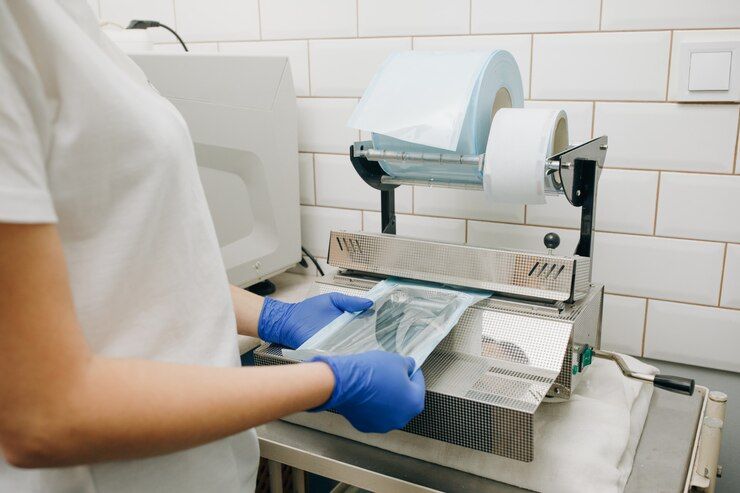
Seal machines, also known as sealing machines, are tools used in various industries to close and secure packaging. They create an airtight or tamper-evident seal on bags, pouches, cartons, or containers, ensuring the contents stay protected during storage, shipping, or sale.
These machines range from basic handheld devices to fully automatic industrial systems. Seal machines are used extensively in the food, pharmaceutical, cosmetic, and chemical sectors, where product integrity is essential. With increasing demand for secure and hygienic packaging, sealing technology plays a vital role in modern manufacturing and distribution.
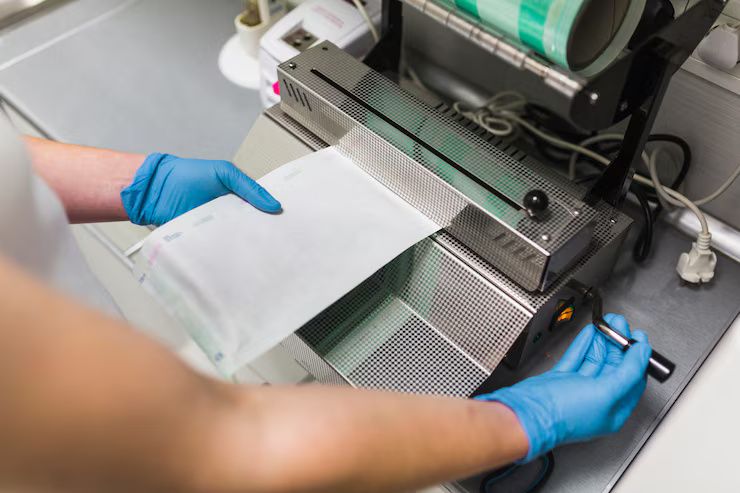
Why Seal Machines Matter in Today’s Packaging Environment
The need for efficient, hygienic, and secure packaging has never been more critical. Seal machines address several challenges in today's global supply chains:
-
Preservation of product quality by preventing air, moisture, and contaminants from entering packages.
-
Tamper evidence, which enhances consumer trust and safety.
-
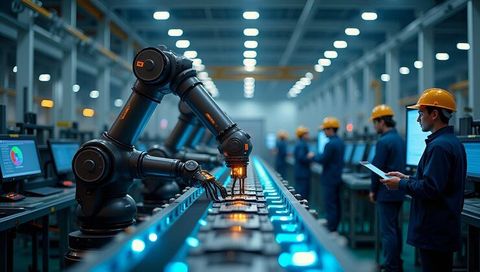
Automation of packaging processes, reducing manual labor and increasing production speed.
-
Compliance with health and safety standards in food and pharmaceutical industries.
-
Support for eco-friendly materials, as modern sealers are compatible with recyclable and biodegradable films.
Seal machines benefit manufacturers, retailers, and consumers by improving shelf life, reducing waste, and enhancing the appearance and security of packaged goods.
Recent Innovations and Market Updates (2024–2025)
Recent developments in sealing technology reflect advancements in automation, materials, and energy efficiency:
-
Eco-friendly sealing: Machines are now compatible with recyclable and compostable packaging films (2024).
-
Smart sealing systems: Newer models include touchscreen controls, programmable settings, and IoT integration for remote monitoring.
-
Ultrasonic sealing: Gaining popularity for heat-sensitive products and reducing energy usage.
-
Compact desktop sealers: Widely adopted by small businesses and e-commerce sellers due to affordability and portability.
-
Growth in Asia-Pacific: Countries like India, China, and Vietnam are witnessing a rise in demand for flexible packaging solutions and seal machines due to industrial growth.
Regulations and Standards Related to Seal Machines
The use of seal machines is governed by packaging, safety, and quality control regulations, which vary by region and industry:
Global Standards:
-
ISO 11607: Specifies packaging systems for terminally sterilized medical devices.
-
CE Marking (EU): Required for machinery compliance with EU safety and environmental standards.
India:
-
FSSAI (Food Safety and Standards Authority of India): Sets packaging guidelines for food products, including sealing.
-
BIS (Bureau of Indian Standards): Certifies machinery used in food and pharmaceutical production.
United States:
-
FDA Packaging Regulations: Apply to food, drug, and cosmetic packaging, requiring tamper-evident sealing.
-
OSHA Guidelines: Ensure worker safety during operation of industrial sealers.
Understanding and following these standards is crucial for manufacturers to maintain compliance and avoid legal or product recall issues.
Tools, Apps, and Resources for Seal Machines
To help businesses and professionals choose, operate, or maintain seal machines, several tools and resources are available:
Useful Tools and Platforms:
-
Packworld USA and Sealed Air – Manufacturers providing detailed machine specs and resources.
-
YouTube channels – Offer tutorials on sealing machine usage, maintenance, and troubleshooting.
-
Maintenance log templates – Help companies track servicing and calibration of sealing machines.
-
Sealing parameter calculators – Some OEMs offer tools to set temperature, pressure, and dwell time based on material.
-
Packaging World – An industry magazine and website covering updates in sealing tech and packaging automation.
Maintenance & Training Resources:
-
Online certification courses in packaging and sealing machinery (e.g., through Coursera, Skill-Lync).
-
Manufacturer manuals and downloadable setup guides.
-
Safety checklists and troubleshooting apps for field technicians.
Frequently Asked Questions
Q1. What types of seal machines are commonly used?
There are several types: impulse sealers, continuous band sealers, vacuum sealers, induction sealers, and ultrasonic sealers—each suited for different materials and packaging needs.
Q2. Can seal machines be used with eco-friendly packaging?
Yes, many modern machines support recyclable and biodegradable films, though adjustments in temperature or sealing time may be required.
Q3. How do I maintain a seal machine?
Regular cleaning, timely replacement of heating elements, and calibration according to manufacturer guidelines are essential for optimal performance.
Q4. Are seal machines safe for food packaging?
Yes, as long as the machine complies with food safety standards like FSSAI (India) or FDA (U.S.) and uses food-grade materials.
Q5. Is manual sealing still relevant in 2025?
Yes, for small businesses, manual or semi-automatic machines offer cost-effective solutions for low-volume packaging needs.
Final Thoughts
Seal machines are a cornerstone of modern packaging processes, supporting product safety, regulatory compliance, and operational efficiency. Whether used in high-speed production lines or small-scale setups, their importance continues to grow with evolving materials and global packaging standards.
Understanding how sealing technology works, staying informed about current innovations, and aligning with regulations helps manufacturers and sellers maintain quality and trust in their product packaging.