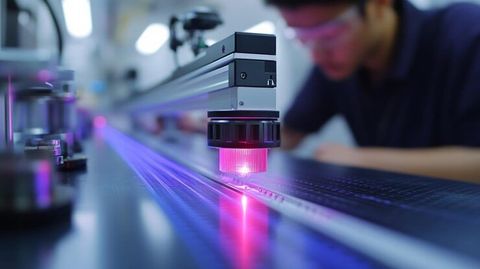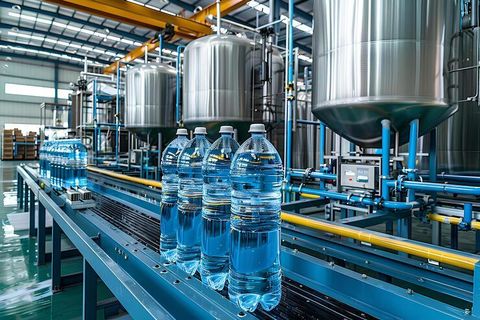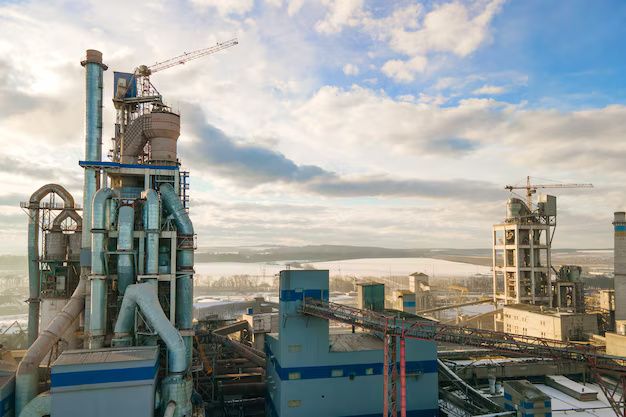
Turnkey plant manufacturing refers to the complete development of an industrial facility delivered ready for operation, where a single contractor handles engineering, procurement, construction, installation, and commissioning. The concept exists to simplify complex industrial projects by reducing coordination issues, ensuring system integration, and allowing clients to start production immediately after project handover.
As industries expanded globally, managing multiple contractors became inefficient and risky, which made turnkey solutions a preferred approach for faster execution, cost control, and technical reliability.
Importance: Why Turnkey Plant Manufacturing Matters Today
Turnkey solutions are increasingly adopted because they reduce project risks and provide streamlined industrial development.
1. Single Point Responsibility
A single EPC contractor manages all project phases, reducing communication gaps and delays.
2. Faster Project Delivery
Integrated engineering and construction help complete industrial plants within planned timelines.
3. Cost and Risk Control
Centralized project management reduces unexpected expenses and technical conflicts.
4. System Compatibility
All machinery and utilities are designed to work together efficiently.
5. Quick Production Startup
Plants are delivered ready for operation, allowing faster return on investment.
EPC Process in Turnkey Plant Manufacturing
1. Engineering Phase
Develops plant design, technical layouts, process flow diagrams, and equipment specifications based on project requirements.
2. Procurement Phase
Handles sourcing, purchasing, and logistics of machinery, materials, and industrial systems needed for plant construction.
3. Construction Phase
Includes civil work, structural installation, equipment assembly, and utility setup required to build the plant infrastructure.
4. Installation & Integration
Connects mechanical, electrical, and automation systems to ensure smooth operational coordination.
5. Testing & Commissioning
Verifies system performance, safety compliance, and operational efficiency before final handover.
Design Elements of Turnkey Plant Manufacturing
1. Process Design Engineering
Defines production workflow, material handling, and operational efficiency within the plant.
2. Plant Layout Design
Optimizes equipment placement for smooth workflow, safety, and space utilization.
3. Utility System Design
Plans power supply, water systems, compressed air, and other essential services.
4. Automation & Control Design
Integrates PLC, SCADA, and monitoring systems for efficient plant operation.
5. Safety & Environmental Design
Ensures compliance with industrial safety standards and environmental regulations.
Core Components of Turnkey Industrial Plants
1. Process Equipment
Includes reactors, mixers, kilns, conveyors, or production machinery specific to the industry.
2. Utility Systems
Provides energy, cooling, water treatment, and compressed air required for plant operations.
3. Electrical & Instrumentation Systems
Controls power distribution, sensors, and operational monitoring.
4. Structural & Civil Infrastructure
Includes buildings, foundations, and supporting structures for equipment installation.
5. Automation Control Systems
Ensures real-time monitoring and efficient production control.
Turnkey Plant Types and Industrial Applications
| Industry | Plant Type | Common Application |
|---|---|---|
| Cement Industry | Cement Plant | Construction materials |
| Energy Sector | Power Plant | Electricity generation |
| Chemical Industry | Processing Plant | Chemical production |
| Food Industry | Food Processing Plant | Packaged food manufacturing |
| Water Sector | Treatment Plant | Water purification |
| Metal Industry | Steel Plant | Metal processing |
Industrial Applications of Turnkey Plants
1. Cement Manufacturing Plants
Produce bulk construction materials for infrastructure projects.
2. Power Generation Facilities
Generate electricity through thermal, renewable, or hybrid systems.
3. Oil & Gas Processing Plants
Refine fuels and process hydrocarbons safely and efficiently.
4. Chemical Manufacturing Facilities
Handle large-scale chemical reactions and industrial production.
5. Food & Beverage Processing Plants
Automate hygiene-controlled production lines.
6. Water & Waste Treatment Plants
Support environmental sustainability through treatment systems.
Benefits of Turnkey Plant Manufacturing
1. Simplified Project Management
One contract covers complete project execution.
2. Technical Reliability
Integrated engineering ensures system compatibility.
3. Time Efficiency
Faster plant commissioning reduces downtime.
4. Budget Transparency
Clear project cost structure from beginning to completion.
5. Long-Term Operational Support
Many EPC providers offer maintenance and technical assistance.
Challenges & Considerations
1. High Initial Investment
Large-scale industrial projects require significant capital.
2. Contractor Selection Risk
Project success depends on EPC contractor expertise.
3. Regulatory Approvals
Environmental and safety permits must be managed carefully.
4. Long Project Duration
Complex plants may require extended planning and execution.
5. Supply Chain Dependencies
Equipment procurement delays can affect timelines.
How to Choose the Right Turnkey EPC Contractor
1. Industry Experience
Select contractors with proven expertise in similar industries.
2. Engineering Capability
Ensure strong design and technical planning resources.
3. Project Portfolio Review
Evaluate previous completed turnkey projects.
4. Compliance Standards
Verify safety, environmental, and certification records.
5. After-Sales Support
Ensure long-term service and maintenance availability.
Maintenance & Operational Best Practices
1. Scheduled Preventive Maintenance
Reduces unexpected equipment failures.
2. Performance Monitoring Systems
Tracks plant efficiency and production output.
3. Operator Training Programs
Ensures safe and efficient plant operation.
4. Automation System Updates
Improves long-term operational performance.
5. Safety Audits and Inspections
Maintains regulatory compliance and workplace safety.
Frequently Asked Questions
What is a turnkey plant project?
A complete industrial facility delivered ready for operation by one contractor.
What does EPC mean?
Engineering, Procurement, and Construction.
Which industries use turnkey plants?
Energy, cement, chemical, food processing, and infrastructure sectors.
Are turnkey projects cost-effective?
Yes, they improve cost control and reduce coordination risks.
How long does a turnkey project take?
Typically 12–36 months depending on project scale.
Conclusion
Turnkey plant manufacturing is a highly efficient approach for developing modern industrial facilities through integrated EPC solutions. By combining design, procurement, construction, and commissioning into one seamless process, turnkey projects help organizations reduce complexity, improve efficiency, and accelerate industrial growth.
Understanding the EPC process, design principles, components, and industrial applications helps businesses make informed decisions when planning large-scale manufacturing or infrastructure projects. As industrial automation and smart manufacturing continue to evolve, turnkey plant solutions will remain a key model for reliable and scalable industrial development.