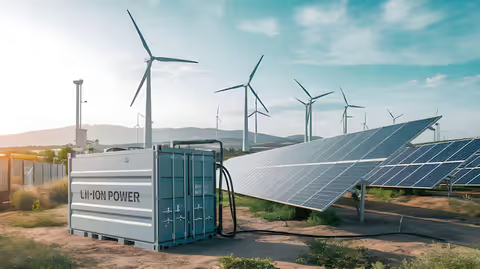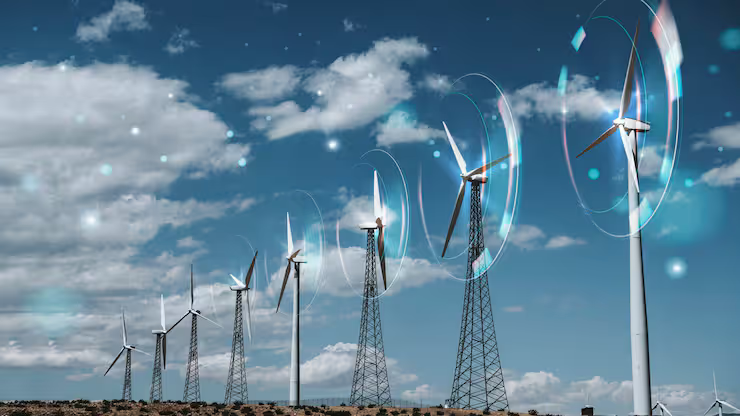
Smart grid energy systems refer to modern electricity networks enhanced with digital communication, automation, and advanced data analytics. These systems evolved from traditional power grids that primarily delivered electricity in a one-way flow from centralized plants to consumers.
Today’s electricity ecosystem requires flexibility due to renewable energy expansion, electric mobility adoption, and rising digital infrastructure demand. Smart grids integrate sensors, artificial intelligence-driven forecasting, distributed energy resources, and automated control mechanisms to enable responsive energy management.
Key characteristics include:
-
Real-time monitoring of electricity distribution
-
Two-way communication between utilities and users
-
Integration of renewable generation such as solar and wind
-
Data-driven optimization for efficiency and reliability
This technological evolution aims to create resilient, sustainable, and intelligent energy networks capable of adapting to modern consumption patterns.
Why Smart Grid Technology Matters Today
The global energy transition has intensified interest in grid modernization technology. Smart grids play a vital role in balancing electricity demand while supporting climate goals and digital economic growth.
Energy stakeholders affected include:
-
Utility operators and grid planners
-
Renewable energy developers
-
Industrial energy managers
-
Residential consumers using smart devices
-
Governments shaping energy policy frameworks
Common challenges addressed by smart grids include:
-
Grid instability caused by intermittent renewable generation
-
Rising electricity demand from digital infrastructure
-
Transmission losses and operational inefficiencies
-
Energy security and outage resilience
Table: Traditional Grid vs Smart Grid Features
| Feature | Conventional Grid | Smart Grid Energy System |
|---|---|---|
| Communication | One-way power delivery | Two-way digital communication |
| Monitoring | Limited manual tracking | Real-time sensor analytics |
| Energy Sources | Centralized generation | Distributed renewable integration |
| Reliability | Slower fault detection | Automated predictive maintenance |
| Consumer Role | Passive consumption | Active energy participation |
Advanced metering infrastructure and predictive analytics enable informed decision-making while reducing operational risks. These developments contribute to sustainable energy ecosystems and improved grid transparency.
Recent Developments and Technology Trends
The past year has seen rapid progress in digital energy infrastructure, particularly in data-driven grid intelligence. Several global initiatives highlight ongoing transformation.
Notable trends include:
-
Expansion of AI-based grid forecasting models in 2025
-
Increased deployment of grid-scale battery storage projects
-
Advanced cybersecurity frameworks for energy infrastructure
-
Growth in decentralized microgrid pilots across urban regions
-
Enhanced climate resilience planning after extreme weather events
Emerging innovations involve:
-
Edge computing for faster grid response
-
Blockchain-based energy transaction tracking
-
Advanced inverter technology for solar integration
-
Machine learning algorithms for demand prediction
Table: Key Smart Grid Technology Components
| Technology Component | Function | Impact |
|---|---|---|
| Advanced Metering Infrastructure | Digital consumption measurement | Improved billing transparency |
| Grid Automation Systems | Automated switching and control | Faster outage response |
| Energy Storage Integration | Battery-based balancing | Renewable stability support |
| Predictive Analytics Platforms | Forecasting demand patterns | Operational efficiency |
| Cybersecurity Protocols | Data protection mechanisms | Infrastructure resilience |
Global energy forums in 2025 emphasized interoperability standards and data governance frameworks to strengthen grid modernization initiatives.
Regulatory Frameworks and Policy Influence
Energy policies strongly influence the pace of smart grid adoption. Governments implement regulations to ensure grid stability, environmental sustainability, and consumer protection.
In India, relevant initiatives include:
-
National Smart Grid Mission promoting digital grid infrastructure
-
Renewable energy integration targets supporting solar and wind deployment
-
Electricity Act reforms encouraging modernization and efficiency
-
Data privacy frameworks addressing energy consumption analytics
Internationally, regulatory emphasis often focuses on:
-
Grid resilience standards
-
Carbon reduction commitments
-
Infrastructure cybersecurity compliance
-
Technology interoperability guidelines
Policy frameworks shape investment priorities, research collaboration, and technological adoption pathways while maintaining safety and environmental standards.
Helpful Tools, Platforms, and Knowledge Resources
Professionals and researchers rely on specialized tools and digital platforms for smart grid analysis and education. These resources enhance understanding of energy management analytics and grid optimization strategies.
Common categories include:
Energy modeling and analytics platforms:
-
Grid simulation software for demand forecasting
-
Renewable integration scenario modeling tools
-
Energy efficiency assessment calculators
Educational and research resources:
-
Academic journals on energy systems engineering
-
Open data repositories for electricity statistics
-
International energy agency reports
Digital monitoring solutions:
-
Smart meter dashboards
-
Energy data visualization platforms
-
Infrastructure performance analytics systems
Templates and documentation:
-
Grid modernization planning frameworks
-
Energy policy assessment checklists
-
Risk evaluation matrices for infrastructure projects
These resources support informed decision-making and knowledge development across the energy ecosystem.
Frequently Asked Questions About Smart Grid Energy Systems
What defines a smart grid energy system?
A smart grid combines electricity infrastructure with digital communication, advanced analytics, and automated control technologies to improve efficiency, reliability, and renewable energy integration.
How does smart grid technology support renewable energy?
Smart grids use predictive analytics, storage systems, and automated controls to manage variability in solar and wind generation, ensuring stable electricity distribution.
Are smart grids important for climate goals?
Yes. They facilitate renewable energy adoption, improve energy efficiency, and enable better demand management, which supports emissions reduction strategies.
What role does data analytics play in smart grids?
Data analytics helps forecast demand, detect faults early, optimize energy distribution, and enhance system resilience through predictive maintenance.
Is cybersecurity important in smart grid infrastructure?
Absolutely. Because smart grids rely on digital communication networks, robust cybersecurity measures protect infrastructure from disruptions and data breaches.
Key Takeaways and Future Outlook
Smart grid energy systems represent a major transformation in how electricity is generated, distributed, and consumed. Digital energy infrastructure enables responsive, efficient, and resilient networks capable of supporting renewable energy integration and evolving consumption patterns.
The combination of advanced metering infrastructure, predictive analytics, energy storage integration, and automation technologies continues to reshape modern power systems. Government policies, research collaboration, and technological innovation collectively drive this transition.
As energy demand grows alongside sustainability commitments, smart grid development remains central to achieving reliable electricity access, environmental responsibility, and infrastructure resilience. Continued innovation, regulatory alignment, and data-driven insights will likely define the next phase of global energy modernization.