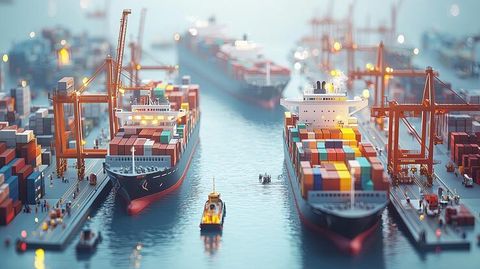
Port logistics coordination refers to the structured management of cargo movement, vessel scheduling, terminal operations, and inland transport connections within and around seaports. It exists to ensure seamless integration between shipping lines, port authorities, freight forwarders, customs authorities, and transportation networks.
This topic has gained increased importance in recent years due to disruptions such as pandemic-induced delays, geopolitical tensions, and rising e-commerce demand. Efficient coordination can significantly reduce vessel waiting times, lower operational costs, and improve supply chain reliability. Conversely, poor coordination often leads to congestion, delays, and increased demurrage costs.
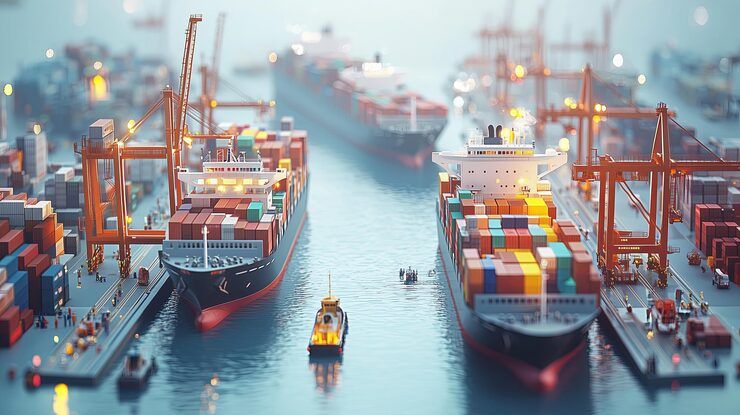
Recent trends show growing adoption of digital platforms, automation, and real-time tracking systems in port operations. Governments and port authorities are also investing in smart port infrastructure to enhance transparency and efficiency. As trade volumes continue to rise, comparing different coordination approaches becomes essential for understanding how ports can optimize performance and reduce inefficiencies.
Who It Affects and What Problems It Solves
Port logistics coordination impacts a wide range of stakeholders across the supply chain. Shipping companies rely on efficient port operations to maintain schedules and reduce fuel consumption caused by delays. Importers and exporters depend on timely cargo handling to meet delivery commitments. Port authorities must balance infrastructure capacity with increasing cargo volumes, while logistics providers coordinate inland transportation to avoid bottlenecks.
Additionally, customs authorities and regulatory bodies are affected, as they play a role in ensuring compliance while maintaining cargo flow efficiency. Even end consumers are indirectly impacted, as delays at ports can lead to higher product costs and shortages in the market.
Problems It Solves
- Port Congestion: Coordinated scheduling and berth allocation reduce vessel waiting times.
- Inefficient Cargo Handling: Integrated systems improve container tracking and handling speed.
- Lack of Visibility: Real-time data sharing enhances transparency across stakeholders.
- High Operational Costs: Streamlined processes minimize fuel usage, labor inefficiencies, and storage costs.
- Communication Gaps: Digital platforms reduce miscommunication between shipping lines, terminals, and authorities.
By addressing these challenges, effective coordination ensures smoother trade flows and improved economic efficiency.
Recent Updates and Trends
Over the past year, several developments have shaped port logistics coordination:
- Digital Port Community Systems (PCS): Many ports have expanded PCS platforms to integrate shipping lines, customs, and logistics providers into a single digital ecosystem. This improves data sharing and reduces paperwork.
- Automation and AI Integration: Automated cranes, predictive analytics, and AI-based scheduling tools are being deployed to optimize operations and reduce human error.
- Green Port Initiatives: Environmental regulations are pushing ports to adopt cleaner technologies, including shore power systems and emission monitoring tools.
- Supply Chain Resilience Focus: Following disruptions in recent years, ports are prioritizing contingency planning and diversified logistics networks.
- Blockchain Adoption: Some ports are experimenting with blockchain for secure and transparent documentation processes.
These trends highlight a shift toward smarter, more connected, and sustainable port operations.
Comparison of Port Logistics Coordination Approaches
| Aspect | Traditional Coordination | Digital Coordination Systems | Smart/Automated Coordination |
|---|---|---|---|
| Communication | Manual, paper-based | Digital platforms (PCS) | Integrated real-time systems |
| Efficiency | Moderate, prone to delays | Improved efficiency | High efficiency with automation |
| Transparency | Limited visibility | Shared data access | Full real-time visibility |
| Cost | Higher due to inefficiencies | Moderate cost savings | High initial cost, long-term savings |
| Scalability | Limited | Scalable with system upgrades | Highly scalable |
| Error Rate | Higher (manual processes) | Reduced errors | Minimal errors with automation |
| Environmental Impact | Higher emissions due to delays | Reduced emissions | Optimized energy usage |
| Decision-Making | Reactive | Data-driven | Predictive and automated |
Laws and Policies Affecting Port Logistics Coordination
Port logistics coordination is heavily influenced by national and international regulations. Governments implement policies to ensure safety, environmental compliance, and efficient trade operations.
Key Regulatory Areas
- Customs Regulations: Govern cargo clearance processes and documentation requirements.
- Maritime Safety Laws: Ensure vessel safety, port security, and accident prevention.
- Environmental Policies: Emission standards and waste management rules affect port operations.
- Trade Facilitation Programs: Initiatives aimed at reducing paperwork and improving cargo flow.
Practical Guidance
- For High-Volume Ports: Adoption of digital coordination systems helps comply with regulatory requirements while maintaining efficiency.
- For Developing Ports: Gradual implementation of port community systems can improve compliance and reduce delays.
- For Export-Driven Economies: Aligning port logistics with trade facilitation policies enhances global competitiveness.
Regulations often encourage modernization, pushing ports toward digital transformation and sustainable practices.
Tools and Resources
Several tools and platforms support effective port logistics coordination:
- Port Community Systems (PCS): Centralized platforms for data sharing among stakeholders.
- Terminal Operating Systems (TOS): Manage container handling, storage, and movement within terminals.
- Real-Time Tracking Tools: GPS and IoT-based systems for monitoring cargo and vessel movement.
- Supply Chain Visibility Platforms: Provide end-to-end tracking and analytics.
- Digital Documentation Tools: Reduce paperwork through electronic bills of lading and customs forms.
- Analytics and Forecasting Software: օգ Predict demand, optimize scheduling, and reduce congestion.
- Government Portals: Offer regulatory updates, compliance guidelines, and digital clearance systems.
Using these tools improves coordination, reduces delays, and enhances decision-making.
Frequently Asked Questions (FAQ)
What is port logistics coordination?
Port logistics coordination is the process of managing cargo movement, vessel scheduling, and stakeholder communication within port operations to ensure efficiency.
Why is port coordination important in global trade?
It ensures timely cargo movement, reduces delays, and improves supply chain reliability, which is critical for international trade.
How do digital systems improve port logistics?
They enable real-time data sharing, reduce manual errors, and enhance transparency across all stakeholders.
What challenges do ports face without proper coordination?
Ports may experience congestion, delays, higher costs, and inefficient resource utilization.
Are smart ports the future of logistics coordination?
Yes, smart ports using automation and data analytics are increasingly seen as the future due to their efficiency and scalability.
Conclusion
Port logistics coordination plays a critical role in ensuring the smooth functioning of global supply chains. Traditional coordination methods, while still in use, often struggle with inefficiencies and lack of transparency. Digital systems provide a significant improvement by enabling data-driven decision-making and better communication. Smart and automated coordination approaches represent the next stage, offering predictive capabilities and higher efficiency.
Data and industry trends suggest that ports adopting digital and automated systems experience reduced turnaround times and improved operational performance. However, the transition requires investment, regulatory alignment, and stakeholder collaboration.
For most ports, a phased approach—starting with digital integration and gradually moving toward automation—offers the most practical path forward. Ultimately, effective coordination is not just a technological upgrade but a strategic necessity for maintaining competitiveness in global trade.