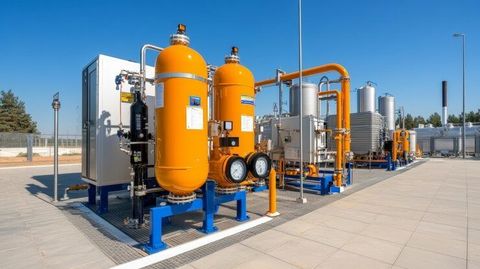
Next generation biofuels, often referred to as advanced biofuels, are renewable energy sources derived from non-food biomass such as agricultural residues, algae, forestry waste, and organic materials. Unlike first-generation biofuels, which rely on crops like corn or sugarcane, these advanced fuels focus on sustainability, reduced emissions, and improved energy efficiency.
The concept exists to address two major challenges: the environmental impact of fossil fuels and the limitations of traditional biofuel production. Early biofuel models raised concerns about food security and land use. Next generation solutions aim to overcome these issues by using waste materials and innovative technologies such as biochemical conversion and thermochemical processing.

Advanced bioenergy technologies include:
-
Cellulosic ethanol production from crop residues
-
Algae-based biofuel systems
-
Biomass gasification for synthetic fuels
-
Waste-to-energy conversion methods
These innovations are designed to create a cleaner, more efficient energy ecosystem while supporting long-term sustainability goals.
Why Next Gen Bio Fuels Matter Today
The global energy transition has increased the relevance of renewable fuels. Governments, industries, and environmental organizations are focusing on reducing greenhouse gas emissions and achieving climate targets. Next generation biofuels play a crucial role in this transformation.
They are particularly important because they:
-
Reduce carbon emissions compared to fossil fuels
-
Utilize waste materials, improving resource efficiency
-
Support energy diversification and reduce dependency on crude oil
-
Enhance rural economies through biomass utilization
The sectors most impacted include transportation, aviation, agriculture, and energy production. Sustainable aviation fuel (SAF), for example, is a growing application of advanced biofuels, helping airlines reduce their carbon footprint.
Comparison of Fuel Types
| Fuel Type | Source Material | Environmental Impact | Efficiency Level |
|---|---|---|---|
| Fossil Fuels | Petroleum, coal | High emissions | High |
| First-Gen Biofuels | Food crops | Moderate impact | Moderate |
| Next Gen Biofuels | Waste, algae, residues | Low emissions | High |
In addition, advanced biofuels contribute to circular economy principles by converting waste into usable energy, aligning with global sustainability frameworks.
Recent Trends and Developments
Over the past year, several advancements have shaped the next generation biofuel landscape. Research and investments have accelerated, especially in regions focusing on clean energy transitions.
Key updates include:
-
2025: Increased global investment in sustainable aviation fuel projects
-
2024–2025: Expansion of algae-based biofuel pilot programs
-
Development of carbon capture integration in biofuel production
-
Improvements in enzyme technologies for cellulosic ethanol
Trend Growth Overview
| Year | Key Development | Impact Level |
|---|---|---|
| 2024 | Advanced enzyme efficiency breakthroughs | High |
| 2025 | SAF adoption in aviation sector | Very High |
| 2025 | Biomass-to-liquid fuel scaling | High |
Technological innovation is also improving production efficiency, reducing processing barriers, and enabling scalable solutions. Digital monitoring systems and AI-driven optimization are increasingly used in bioenergy plants.
Laws, Regulations, and Policy Frameworks
Government policies significantly influence the adoption and growth of next generation biofuels. In India, renewable energy strategies emphasize bioenergy as part of a broader clean energy mission.
Key regulatory aspects include:
-
National Bio-Energy Mission promoting advanced biofuel technologies
-
Ethanol blending targets in transportation fuels
-
Support for biomass supply chain infrastructure
-
Environmental regulations encouraging low-emission fuel adoption
Globally, policy frameworks such as carbon reduction mandates and renewable fuel standards are driving innovation. These regulations aim to ensure environmental compliance while supporting energy security.
Policy Impact Table
| Policy Area | Objective | Outcome |
|---|---|---|
| Ethanol Blending | Reduce fossil fuel use | Lower emissions |
| Renewable Fuel Standards | Promote clean energy adoption | Increased biofuel production |
| Carbon Regulations | Limit greenhouse gases | Sustainable fuel transition |
Such policies create a structured environment that encourages research, development, and implementation of advanced bioenergy systems.
Tools and Resources for Biofuel Insights
Understanding next generation biofuels requires access to reliable tools, data platforms, and analytical resources. These tools help researchers, students, and industry professionals explore trends and performance metrics.
Useful tools and resources include:
-
Bioenergy data dashboards for tracking production trends
-
Carbon emission calculators for fuel comparison
-
Renewable energy analytics platforms
-
Academic research databases on biofuel technologies
-
Government portals providing policy updates and guidelines
Examples of Practical Resources
-
Lifecycle analysis tools for evaluating environmental impact
-
Biomass conversion simulators
-
Energy efficiency benchmarking platforms
These resources support informed decision-making and enhance knowledge about renewable energy systems.
Frequently Asked Questions
What are next generation biofuels made from?
They are produced from non-food biomass such as agricultural waste, algae, and organic residues, making them more sustainable than traditional biofuels.
How do advanced biofuels reduce carbon emissions?
They use renewable materials and efficient conversion processes, resulting in lower greenhouse gas emissions compared to fossil fuels.
Are next generation biofuels widely used today?
They are still developing but are increasingly used in sectors like aviation and heavy transport, with growing global adoption.
What technologies are used in advanced biofuel production?
Common technologies include biochemical conversion, thermochemical processing, and algae cultivation systems.
Why are policies important for biofuel development?
Policies provide regulatory support, funding frameworks, and environmental guidelines that encourage innovation and large-scale adoption.
Conclusion
Next generation biofuels represent a significant advancement in renewable energy technology. By addressing the limitations of earlier biofuel models, they offer a more sustainable, efficient, and environmentally friendly alternative to traditional fuels. Their ability to convert waste into energy aligns with global sustainability goals and supports the transition toward a low-carbon future.
With ongoing technological innovation, supportive policy frameworks, and increasing awareness, advanced biofuels are becoming a key component of the global energy landscape. As research continues and adoption expands, these renewable fuel solutions are expected to play a vital role in shaping the future of clean energy.