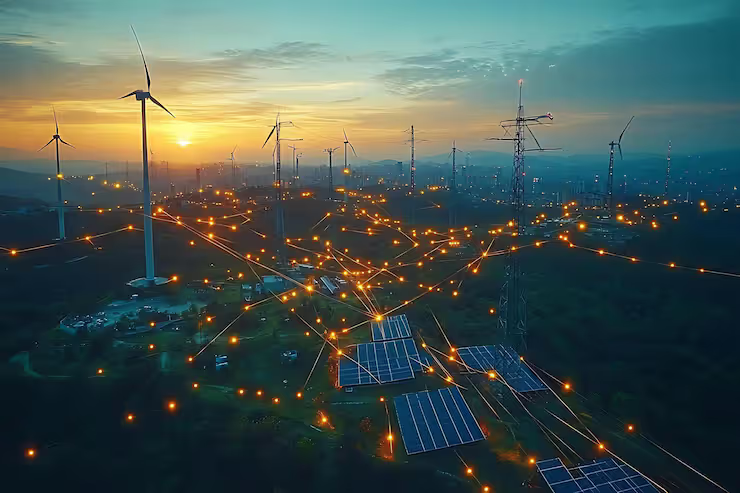
Smart grid energy systems represent a modern transformation of the traditional electricity grid. Conventional power grids were designed decades ago to deliver electricity from centralized power plants to consumers in a one-direction flow. As energy demand increased and renewable energy technologies expanded, traditional grids began facing limitations in efficiency, reliability, and data visibility.
A smart grid integrates digital communication networks, advanced metering infrastructure (AMI), sensors, automation systems, and energy data analytics to create a more intelligent electricity network. Instead of a one-way electricity delivery model, the smart grid enables two-way communication between energy producers, grid operators, and consumers.
Key characteristics of smart grid systems include:
-
Real-time monitoring of electricity usage
-
Automated grid management and fault detection
-
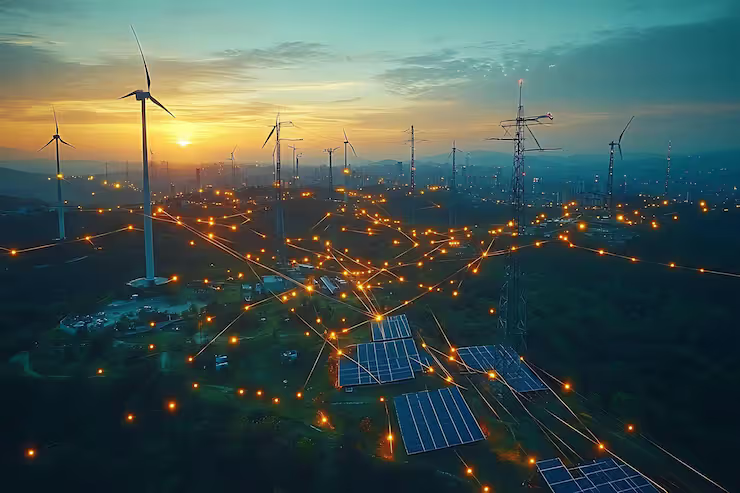
Integration of distributed energy resources such as solar and wind
-
Advanced grid analytics for demand forecasting
-
Smart meters enabling detailed energy consumption insights
Smart grid infrastructure allows utilities and energy operators to gather large volumes of electricity usage data. This data is analyzed using grid optimization algorithms and energy analytics platforms to maintain balance between electricity supply and demand.
Another reason smart grids emerged is the increasing adoption of renewable energy technologies. Solar panels, wind turbines, and energy storage systems generate power at distributed locations rather than centralized plants. Smart grid architecture enables these decentralized sources to connect to the electricity network efficiently.
The concept also supports the development of smart cities, electric vehicle charging networks, and digital energy management systems, creating a more flexible and responsive power ecosystem.
Why Smart Grid Technology Matters Today
Energy demand continues to grow globally due to population expansion, urbanization, and digital infrastructure development. Traditional grid systems often struggle to maintain stability under fluctuating demand and variable renewable energy production.
Smart grid technologies address these challenges by introducing intelligent automation and predictive energy management.
Key benefits include:
• Improved grid reliability
Sensors and automated switches detect outages and redirect electricity flow quickly, reducing disruption.
• Efficient renewable energy integration
Smart grids manage intermittent power sources such as solar and wind by balancing supply using predictive algorithms.
• Enhanced energy data analytics
Advanced data platforms analyze consumption patterns, allowing grid operators to forecast demand more accurately.
• Demand response capabilities
Energy demand response systems help manage peak electricity usage by adjusting consumption patterns.
• Support for electric vehicle infrastructure
Smart charging networks require dynamic electricity distribution, which smart grids can handle efficiently.
Smart grid systems affect multiple stakeholders:
-
Energy utilities and grid operators
-
Renewable energy developers
-
Government energy planners
-
Smart city infrastructure developers
-
Residential and industrial electricity consumers
By enabling real-time monitoring and automation, smart grid infrastructure reduces energy waste and improves the stability of electricity networks.
Recent Updates and Technology Trends in Smart Grid Systems
Smart grid innovation has accelerated significantly over the past year as countries expand renewable energy capacity and invest in grid modernization.
Several major developments between 2024 and 2025 highlight the growing importance of smart energy infrastructure.
AI-Driven Energy Analytics
Artificial intelligence is increasingly used in grid management systems. AI algorithms analyze energy consumption data and detect anomalies, improving predictive maintenance and grid optimization.
Expansion of Advanced Metering Infrastructure
Many countries continue deploying smart electricity meters that record detailed energy usage data at frequent intervals. These meters improve billing accuracy and help analyze electricity demand patterns.
Growth of Distributed Energy Resources (DER)
The adoption of rooftop solar panels, battery storage systems, and microgrids has expanded significantly. Smart grid platforms help coordinate these distributed energy sources with the main electricity network.
Smart Grid Cybersecurity Technologies
With increasing digitalization, grid cybersecurity has become a critical focus area. New cybersecurity frameworks protect energy management systems, communication networks, and grid data platforms.
Digital Twin Technology for Energy Networks
Digital twin simulations allow grid operators to model electricity networks in virtual environments. These simulations help test system changes, evaluate energy demand scenarios, and plan infrastructure upgrades.
Example of major smart grid technology components:
| Technology Component | Function |
|---|---|
| Smart Meters | Measure electricity consumption and enable data communication |
| Grid Sensors | Detect voltage, frequency, and system anomalies |
| Energy Management Platforms | Analyze energy data and optimize grid operations |
| Distribution Automation Systems | Automate electricity distribution and fault response |
| Renewable Integration Systems | Manage solar, wind, and distributed energy resources |
Another emerging trend involves vehicle-to-grid (V2G) technology, which allows electric vehicles to supply stored energy back to the grid during peak demand periods.
Government Policies and Regulations Affecting Smart Grids
Smart grid deployment often depends on national energy policies, regulatory frameworks, and public infrastructure programs.
Governments support grid modernization through regulations designed to improve energy efficiency, reliability, and sustainability.
Several policy areas influence smart grid development.
Energy Infrastructure Modernization Programs
Many countries have launched initiatives encouraging digital energy networks and renewable energy integration.
For example:
-
National grid modernization strategies
-
renewable energy grid integration frameworks
-
smart meter rollout programs
Data Privacy and Energy Data Regulations
Smart meters and energy analytics platforms collect detailed electricity usage information. Governments establish data privacy rules to protect consumer data while enabling grid analytics.
Cybersecurity Standards for Energy Systems
Energy infrastructure is classified as critical infrastructure in many regions. Cybersecurity regulations ensure that smart grid communication networks remain protected from digital threats.
Electric Vehicle and Charging Infrastructure Policies
Policies supporting electric mobility often require grid upgrades to support large-scale EV charging networks.
Renewable Energy Integration Policies
Governments encourage grid infrastructure capable of supporting variable renewable generation through energy transition programs.
Example of regulatory focus areas:
| Policy Area | Objective |
|---|---|
| Smart Meter Regulations | Enable digital energy monitoring |
| Renewable Grid Integration | Support solar and wind generation |
| Grid Cybersecurity Standards | Protect energy infrastructure |
| Energy Data Governance | Ensure privacy and data transparency |
| Electric Mobility Policies | Support EV charging infrastructure |
These frameworks help ensure that smart grid systems operate efficiently while maintaining reliability and data protection.
Tools and Resources for Understanding Smart Grid Technology
Various digital tools and knowledge platforms help researchers, engineers, and energy analysts explore smart grid technologies.
Useful tools include:
• Energy simulation platforms
Software tools simulate electricity networks and evaluate grid performance under different demand scenarios.
• Grid analytics dashboards
Energy monitoring platforms provide real-time visualization of electricity consumption patterns.
• Renewable integration modeling tools
These systems analyze how solar and wind energy interact with electricity networks.
• Smart grid research databases
Academic repositories publish studies on grid modernization, energy storage systems, and distributed energy resources.
• Electricity demand forecasting models
Machine learning models help predict future electricity consumption patterns.
Examples of useful resources:
| Resource Type | Purpose |
|---|---|
| Energy Modeling Software | Simulate power system performance |
| Grid Data Visualization Tools | Monitor electricity usage patterns |
| Smart Meter Data Platforms | Analyze household energy data |
| Renewable Integration Simulators | Study solar and wind grid impacts |
| Energy Research Journals | Publish grid technology studies |
These tools support research, planning, and policy analysis related to digital energy networks.
Frequently Asked Questions About Smart Grid Energy Systems
What is the difference between a traditional grid and a smart grid?
A traditional electricity grid delivers power in a one-direction flow from power plants to consumers. A smart grid includes digital sensors, communication networks, and analytics systems that enable two-way communication and automated grid management.
How do smart meters support smart grid systems?
Smart meters record electricity usage data at frequent intervals and transmit it to energy management platforms. This data helps grid operators analyze demand patterns and optimize electricity distribution.
Why are smart grids important for renewable energy integration?
Renewable energy sources like solar and wind generate electricity intermittently. Smart grid technologies balance supply and demand using predictive analytics and energy storage integration.
What role does data analytics play in smart grid technology?
Energy data analytics processes large volumes of electricity usage data to forecast demand, detect faults, and improve grid efficiency through automated decision-making systems.
Can smart grids improve electricity reliability?
Yes. Smart grids use sensors and automated control systems to detect faults quickly and reroute electricity flow, reducing outages and improving system resilience.
Conclusion
Smart grid energy systems represent a critical evolution of modern electricity infrastructure. By combining advanced metering infrastructure, energy data analytics, distributed energy resource integration, and digital communication networks, smart grids create a more intelligent and responsive energy ecosystem.
These systems enable efficient renewable energy integration, improved grid reliability, and enhanced electricity demand management. As global energy systems transition toward cleaner and more decentralized power sources, smart grid technologies will continue to play a central role in maintaining stable and efficient electricity networks.
With continued innovation in AI-driven energy analytics, cybersecurity frameworks, and grid simulation technologies, smart grids are expected to become a foundational component of future energy infrastructure and sustainable power systems.