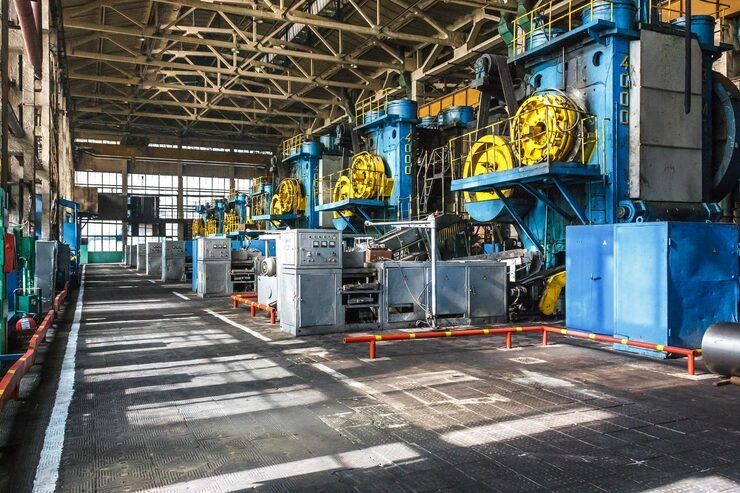
Industrial power generators are heavy-duty electrical systems designed to produce reliable power for factories, commercial facilities, construction sites, hospitals, data centers, and other critical operations when grid electricity is unavailable or insufficient. These machines convert mechanical energy—typically from diesel, natural gas, or hybrid sources—into electrical energy to ensure uninterrupted operation.
Industrial power generators exist to prevent downtime, protect equipment, and maintain productivity during power interruptions. As industries become more dependent on continuous electricity for automation, digital systems, and safety infrastructure, generator solutions have become essential for modern industrial and commercial environments.
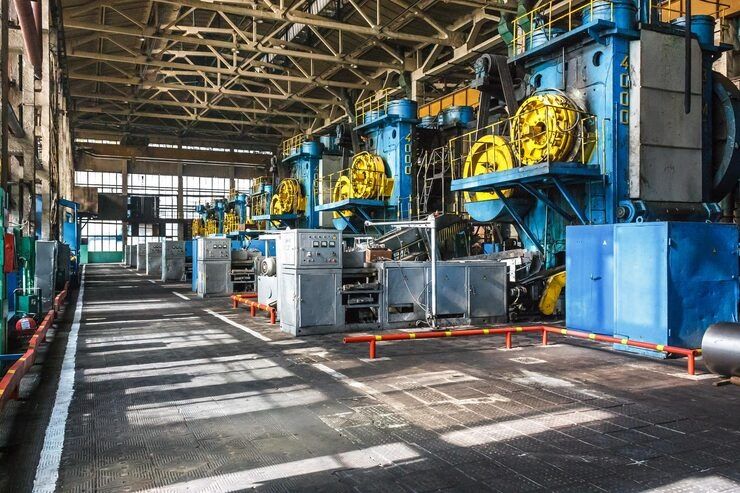
Context: What Industrial Power Generators Are and Why They Exist
Electricity is the backbone of industrial activity, but grid power failures, voltage fluctuations, and remote locations can disrupt operations. Traditionally, businesses suffered production losses due to unexpected outages. Industrial generators were developed to provide stable backup and primary power solutions.
Industrial power generators exist to:
-
Provide emergency backup electricity
-
Maintain continuous industrial operations
-
Protect sensitive machinery and data systems
-
Support off-grid or remote facilities
-
Ensure operational safety and compliance
Modern industrial generators integrate advanced control systems, fuel efficiency technologies, and remote monitoring capabilities.
Importance: Why Industrial Power Generators Matter Today
Reliable power supply is crucial for industrial productivity and safety.
Key Reasons Industrial Generators Are Important
1. Business Continuity
Prevents costly operational downtime.
2. Equipment Protection
Avoids damage caused by sudden power loss.
3. Emergency Preparedness
Supports hospitals, telecom, and data centers.
4. Remote Operation Support
Provides electricity in off-grid environments.
5. Industrial Safety Compliance
Ensures critical systems remain functional.
This topic is relevant to manufacturing plants, facility managers, construction contractors, energy consultants, infrastructure developers, and industrial engineers.
Recent Updates: Industrial Generator Technology Trends (2024–2025)
Power generation technology continues to evolve with sustainability and digital innovation.
1. Hybrid Power Generator Systems
Combining diesel with renewable energy.
2. Low-Emission Engines
Compliance with stricter environmental standards.
3. Smart Generator Monitoring
Remote diagnostics and predictive maintenance.
5. Fuel-Efficient Generator Designs
Reduced operational costs.
6. Automatic Transfer Switch (ATS) Integration
Seamless power switching during outages.
7. Battery-Integrated Backup Systems
Enhanced energy optimization.
Laws & Policies Affecting Industrial Power Generators
Industrial generators are regulated under energy, environmental, and safety policies.
Key regulatory considerations include:
-
Emission standards and fuel regulations
-
Noise control requirements
-
Electrical installation standards
-
Workplace safety compliance
-
Fuel storage and fire safety rules
Meeting regulations ensures safe installation and operation.
Types of Industrial Power Generators
Industrial generators are classified based on fuel source and application.
Diesel Power Generators
Most common for heavy-duty industrial use.
Natural Gas Generators
Lower emissions and continuous operation capability.
Hybrid Generators
Combination of fuel and renewable energy systems.
Portable Industrial Generators
Used for temporary projects and construction sites.
Standby Generators
Automatically activate during outages.
Prime Power Generators
Provide continuous electricity in off-grid areas.
How Industrial Power Generators Work
Industrial generators operate using mechanical and electromagnetic principles.
-
Engine burns fuel to produce mechanical energy
-
Mechanical energy rotates the alternator
-
Magnetic fields generate electrical current
-
Voltage regulators stabilize output
-
Control systems monitor performance
-
Power is supplied to connected systems
Automatic controls ensure stable output and protection.
Core Components of Industrial Power Generators
Engine
Provides mechanical power.
Alternator
Converts mechanical energy into electricity.
Fuel System
Stores and supplies fuel.
Cooling System
Prevents overheating.
Control Panel
Manages operation and monitoring.
Voltage Regulator
Maintains stable voltage output.
Exhaust System
Manages emissions.
Battery and Starter
Initiates generator operation.
Materials Used in Generator Manufacturing
Material selection impacts durability and performance.
High-Strength Steel
Frames and enclosures.
Copper Windings
Electrical conductivity.
Aluminum Components
Weight reduction and heat dissipation.
Industrial Insulation Materials
Electrical safety and efficiency.
Corrosion-Resistant Coatings
Protection in harsh environments.
Generator Types and Industrial Applications
| Generator Type | Fuel Source | Typical Application |
|---|---|---|
| Diesel Generator | Diesel | Manufacturing plants |
| Natural Gas Generator | Gas | Commercial facilities |
| Standby Generator | Diesel/Gas | Hospitals & data centers |
| Prime Generator | Diesel/Gas | Remote operations |
| Hybrid Generator | Mixed energy | Sustainable projects |
Industrial Applications of Power Generators
Industrial generators serve diverse industries.
Manufacturing Facilities
Continuous production support.
Construction Sites
Temporary power for machinery.
Hospitals and Healthcare
Critical backup power systems.
Data Centers
Protection for digital infrastructure.
Mining Operations
Remote power generation.
Telecommunication Networks
Power backup for connectivity.
Oil & Gas Facilities
Reliable energy supply.
Benefits of Industrial Power Generators
Reliable Power Backup
Maintains uninterrupted operations.
Operational Flexibility
Suitable for multiple environments.
Scalability
Available in various power capacities.
Improved Safety
Supports emergency systems.
Reduced Financial Loss
Prevents downtime-related costs.
Challenges & Considerations
-
Fuel costs and storage
-
Noise and emissions management
-
Maintenance requirements
-
Installation space needs
-
Regulatory compliance
Proper planning minimizes operational challenges.
How to Choose the Right Industrial Power Generator
Determine Power Requirements
Calculate total load demand.
Select Fuel Type
Based on availability and efficiency.
Evaluate Runtime Needs
Backup vs continuous operation.
Check Noise and Emission Levels
Compliance with local standards.
Assess Automation Features
ATS and remote monitoring.
Review Service Network
Maintenance and spare parts availability.
Maintenance & Best Practices
-
Routine oil and filter changes
-
Fuel system inspection
-
Battery testing
-
Cooling system maintenance
-
Load testing and calibration
-
Scheduled preventive servicing
Regular maintenance ensures long service life and reliability.
Frequently Asked Questions
1. What is an industrial power generator used for?
To provide backup or primary electricity for industrial operations.
2. Which fuel type is most common?
Diesel generators are widely used for heavy-duty applications.
3. Can generators run continuously?
Prime generators are designed for continuous operation.
4. Are industrial generators automatic?
Many include automatic start systems with ATS.
5. How long do industrial generators last?
Typically 15–30 years with proper maintenance.
Conclusion
Industrial power generators are essential for ensuring uninterrupted operations, safety, and productivity across modern industries. From manufacturing plants to hospitals and remote construction sites, these systems provide reliable electricity when grid power fails or is unavailable.
Understanding generator types, components, working principles, applications, regulations, and maintenance practices helps organizations select effective backup power solutions. As industries increasingly rely on continuous energy supply, industrial power generators will remain a critical component of operational resilience and infrastructure reliability.