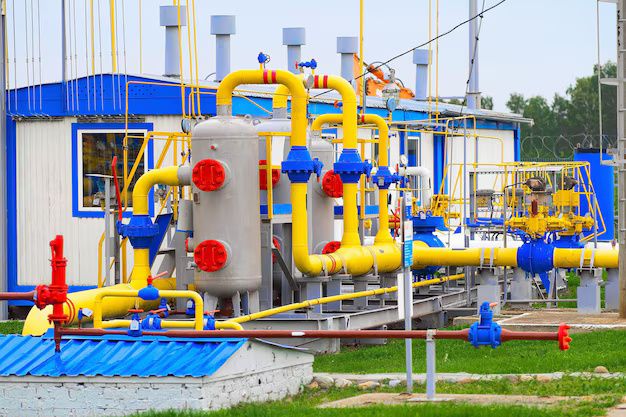
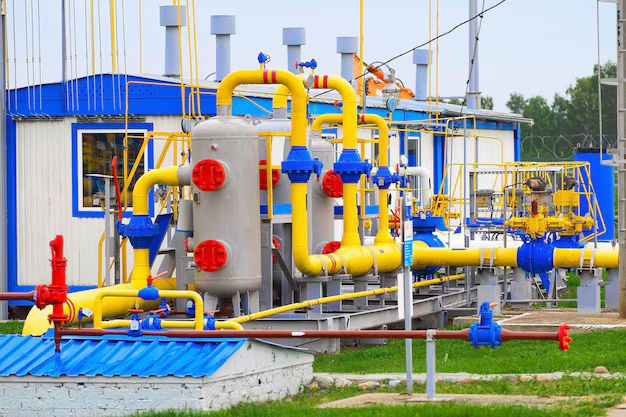
Industrial gas systems are engineered solutions designed to store, control, distribute, and safely manage gases used in manufacturing, processing, energy production, laboratories, and heavy industries. These systems handle gases such as oxygen, nitrogen, hydrogen, argon, carbon dioxide, acetylene, and compressed air, ensuring consistent supply and safe operation across industrial environments.
Industrial gas systems exist to support modern production processes that depend on precise gas flow, pressure regulation, and safety monitoring. As industries rely increasingly on automation, precision manufacturing, and clean energy technologies, gas handling systems have become critical infrastructure components in industrial operations.
Context: What Industrial Gas Systems Are and Why They Exist
Historically, gases were supplied in simple cylinders with manual handling and limited safety controls. As industrial processes advanced—especially welding, chemical production, and semiconductor manufacturing—the demand for centralized and controlled gas delivery systems increased.
Industrial gas systems exist to:
-
Provide safe and reliable gas supply
-
Maintain controlled pressure and flow rates
-
Support continuous industrial operations
-
Improve worker safety and environmental compliance
-
Enable precision manufacturing processes
Modern systems integrate automation, leak detection, and monitoring technologies to improve efficiency and safety.
Importance: Why Industrial Gas Systems Matter Today
Industrial gas systems are essential for productivity, safety, and process quality.
Key Reasons Industrial Gas Systems Are Important
1. Process Efficiency
Ensures uninterrupted gas supply for production.
2. Safety Management
Prevents leaks, pressure failures, and hazards.
3. Precision Control
Maintains consistent gas flow for accurate processes.
4. Operational Reliability
Supports continuous industrial output.
5. Versatile Industrial Use
Applicable across manufacturing, healthcare, energy, and research.
This topic is relevant to plant engineers, industrial designers, safety officers, manufacturing managers, EPC contractors, and facility operators.
Recent Updates: Industrial Gas System Trends (2024–2025)
Industrial gas technology continues to evolve with safety and sustainability improvements.
Smart Gas Monitoring Systems
Real-time pressure and leak detection.
IoT-Enabled Gas Management
Remote system monitoring.
Hydrogen and Clean Energy Integration
Growing use in green energy projects.
Automated Pressure Control Systems
Improved efficiency and safety.
Energy-Efficient Gas Compression
Reduced operating costs.
Enhanced Safety Standards
Stricter industrial compliance requirements.
Laws & Policies Affecting Industrial Gas Systems
Industrial gas systems must follow strict safety and environmental regulations.
Key regulatory considerations include:
-
Pressure vessel and pipeline safety standards
-
Hazardous gas handling regulations
-
Occupational health and safety requirements
-
Fire and explosion prevention codes
-
Environmental and emission compliance
Compliance ensures safe operation and legal authorization.
Types of Industrial Gas Systems
Industrial gas systems vary based on application and gas type.
Compressed Gas Distribution Systems
Deliver gases from centralized storage.
Bulk Gas Storage Systems
Large tanks for high-volume operations.
Cylinder Manifold Systems
Multiple cylinders connected for continuous supply.
Cryogenic Gas Systems
Store liquefied gases at extremely low temperatures.
Pipeline Gas Systems
Permanent gas delivery across facilities.
On-Site Gas Generation Systems
Produce gases such as nitrogen or oxygen directly on-site.
How Industrial Gas Systems Work
Industrial gas systems operate through controlled storage, regulation, and distribution.
-
Gas is stored in cylinders, tanks, or generators
-
Pressure regulators adjust output levels
-
Pipes or hoses distribute gas to equipment
-
Flow meters control delivery quantity
-
Sensors monitor pressure and leaks
-
Safety valves prevent overpressure
-
Gas reaches application points safely
Automation ensures reliability and precision.
Core Components of Industrial Gas Systems
Gas Storage Tanks or Cylinders
Contain compressed or liquefied gases.
Pressure Regulators
Maintain stable pressure levels.
Pipelines and Manifolds
Transport gases across facilities.
Valves and Fittings
Control gas flow and isolation.
Flow Meters
Measure gas consumption.
Safety Relief Valves
Prevent system overpressure.
Gas Detection Sensors
Identify leaks and hazards.
Control Panels
Monitor and manage system performance.
Materials Used in Industrial Gas Systems
Material choice is critical for durability and safety.
Stainless Steel
Corrosion-resistant piping and fittings.
Carbon Steel
Structural components.
Copper and Brass
Precision gas fittings.
Specialized Polymers
Flexible hoses and seals.
Protective Coatings
Prevent corrosion in harsh environments.
Industrial Gas System Types and Applications
| Gas System Type | Gas Type | Typical Application |
|---|---|---|
| Bulk Storage System | Oxygen/Nitrogen | Manufacturing plants |
| Cylinder Manifold | Mixed gases | Welding workshops |
| Cryogenic System | Liquid gases | Healthcare & research |
| Pipeline System | Process gases | Semiconductor industry |
| On-Site Generation | Nitrogen/Oxygen | Food & packaging |
Industrial Applications of Gas Systems
Industrial gas systems support diverse sectors.
Metal Fabrication and Welding
Shielding and cutting gases.
Chemical and Petrochemical Industry
Process and reaction gases.
Food and Beverage Processing
Packaging and preservation gases.
Healthcare and Laboratories
Medical oxygen and research gases.
Electronics Manufacturing
Semiconductor production.
Energy and Power Generation
Combustion and clean fuel systems.
Automotive and Aerospace
Precision manufacturing and testing.
Benefits of Industrial Gas Systems
Consistent Gas Supply
Improves operational stability.
Enhanced Safety
Automated monitoring reduces risk.
Improved Process Accuracy
Stable pressure and flow rates.
Operational Efficiency
Centralized management saves time.
Scalability
Supports expanding industrial facilities.
Challenges & Considerations
-
High installation costs
-
Safety risk management
-
Leak prevention requirements
-
Regular inspections and maintenance
-
Compliance with strict regulations
Careful system design minimizes risks.
How to Choose the Right Industrial Gas System
Identify Gas Requirements
Type and consumption volume.
Evaluate Pressure and Flow Needs
Application-specific demands.
Consider Safety Features
Leak detection and emergency shutoff.
Assess Facility Layout
Pipeline design and accessibility.
Review Regulatory Compliance
Industry and local standards.
Ensure Service Support
Maintenance and technical assistance.
Maintenance & Best Practices
-
Regular leak testing
-
Inspection of valves and fittings
-
Calibration of pressure regulators
-
Cleaning pipelines and filters
-
Monitoring gas consumption levels
-
Scheduled preventive maintenance
Routine maintenance ensures safe operation.
Frequently Asked Questions
1. What are industrial gas systems used for?
They store and distribute gases for industrial processes.
2. Are industrial gas systems safe?
Yes, when designed and maintained properly.
3. What gases are commonly used?
Oxygen, nitrogen, hydrogen, argon, and carbon dioxide.
4. Can gas systems be automated?
Yes, modern systems include digital monitoring.
5. How long do industrial gas systems last?
Typically 20–30 years with proper maintenance.
Conclusion
Industrial gas systems are essential infrastructure for modern manufacturing, energy production, and industrial processing. By providing safe, reliable, and controlled gas supply, these systems support productivity, safety, and precision across multiple industries.
Understanding system types, components, working principles, applications, regulations, and maintenance practices helps organizations implement efficient gas handling solutions. As industries continue adopting automation and sustainable energy practices, industrial gas systems will remain critical for advanced industrial operations.