Hearing loss affects millions of adults, and modern hearing aids have come a long way from the bulky devices many people still picture. Today’s options range from nearly invisible models to feature-rich devices that connect to smartphones, stream music, and adapt automatically to different environments. Whether you are researching for yourself or a family member, understanding the main types, realistic costs, and key features can make the decision process much clearer.
Understanding Hearing Aids and Who Needs Them
Hearing aids are small electronic devices designed to amplify sound and improve speech understanding for people with hearing loss. They do not restore normal hearing or cure the underlying condition, but they can significantly improve daily communication, reduce listening effort, and support overall quality of life.
Signs You Might Benefit from Hearing Aids
Common early signs include difficulty following conversations in noisy places, frequently asking people to repeat themselves, turning up the television volume higher than others prefer, or feeling tired after social gatherings because of the effort required to listen. Many people first notice problems with high-frequency sounds such as women’s and children’s voices or certain consonants. If these issues persist, a professional hearing evaluation is the best next step. Searching for an audiologist near me or hearing aids near me can help locate qualified local providers who perform comprehensive testing.
Types of Hearing Aids Available Today
Hearing aids come in several styles, each offering different levels of visibility, power, and convenience.
Behind-the-Ear and Receiver-in-Canal Styles
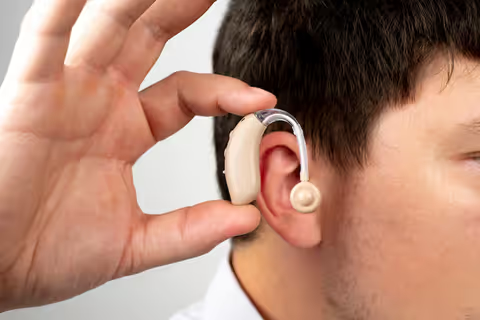
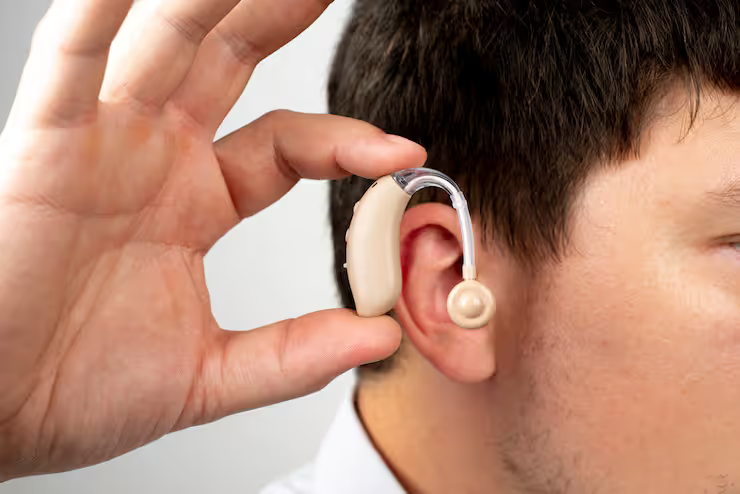
Behind-the-ear (BTE) and receiver-in-canal (RIC) models remain popular because they deliver strong amplification and accommodate a wide range of hearing loss levels. The main body sits behind the ear, with a thin tube or wire leading into the ear canal. These styles often include larger batteries or longer-lasting rechargeable options and tend to offer more advanced features.
Invisible and Completely-in-Canal Options
For those who prefer discretion, invisible hearing aids and completely-in-canal (CIC) models sit deeper in the ear canal. Many modern versions are nearly undetectable when worn. Some newer designs combine a small size with rechargeable batteries and limited wireless connectivity, though the tiniest models may trade some advanced features for reduced visibility.
OTC Hearing Aids vs Prescription Models
Over-the-counter (OTC) hearing aids became available in the United States for adults 18 and older with perceived mild to moderate hearing loss. These can be purchased online or in stores without a prescription and typically cost less than traditional models. Users often set them up themselves using a smartphone app.
Prescription hearing aids, fitted and programmed by a licensed professional, remain the standard recommendation for moderate to severe loss, complex hearing needs, or anyone who wants personalized adjustments and ongoing clinical support. Both categories include quality options, but the right choice depends on the degree of hearing loss and individual preferences for self-management versus professional care.
How Much Do Hearing Aids Cost in 2026?
Hearing aid prices vary widely. OTC models often range from under $200 to around $2,000 per pair. Prescription devices purchased through clinics commonly fall between $2,000 and $6,000 or more per pair, with averages frequently landing in the $3,000–$4,500 range when professional services are included. Warehouse clubs and certain online prescription sellers can offer lower price points, sometimes in the $1,500–$2,800 range.
Factors That Influence Pricing
Cost depends on technology level, style, brand, included services (fitting, follow-up adjustments, warranties), and whether insurance or discounts apply. Higher-end models with advanced noise reduction, AI processing, and seamless Bluetooth connectivity usually sit at the upper end of the price spectrum. Many people find that mid-range options deliver excellent performance for everyday needs without the premium price tag of top-tier devices.
Key Features Worth Considering
Modern hearing aids offer capabilities that go far beyond simple amplification.
Bluetooth Connectivity and Streaming
Bluetooth hearing aids allow direct streaming of phone calls, music, podcasts, and television audio. This feature is especially helpful for people who struggle to hear phone conversations or want clearer sound from media devices. Compatibility with both iOS and Android has improved significantly in recent years.
Rechargeable Batteries
Rechargeable hearing aids have become increasingly popular. Many models provide a full day of use on a single charge, and some come with portable charging cases that offer additional power on the go. This eliminates the ongoing cost and hassle of disposable batteries for many users.
Advanced Noise Reduction and AI Processing
Newer devices use sophisticated algorithms and artificial intelligence to reduce background noise while enhancing speech. Features such as directional microphones, automatic scene detection, and real-time sound processing help users hear more clearly in restaurants, meetings, and other challenging environments.
Does Medicare Cover Hearing Aids?
Original Medicare (Parts A and B) does not cover hearing aids or the exams needed to fit them. This exclusion has remained in place for decades. Some Medicare Advantage (Part C) plans include hearing benefits that may cover a portion of the cost or provide an annual allowance. Coverage details vary widely by plan, so it is important to review the specific Evidence of Coverage document or contact the plan directly. Diagnostic hearing tests ordered for medical reasons may still be covered under Original Medicare in certain situations. Private insurance, HSA/FSA funds, and veterans’ benefits can also help offset costs in some cases.
How to Choose the Right Hearing Aids
Start with a thorough hearing evaluation. An audiologist or hearing care professional can determine the type and degree of hearing loss and recommend suitable technology levels. Consider your lifestyle—whether you spend a lot of time in noisy environments, need strong phone performance, prefer something discreet, or value simple rechargeable convenience.
Trial periods are common and highly recommended. Many providers and OTC brands offer 30- to 100-day return windows so you can test the devices in real-world situations. Comfort, sound quality, ease of use, and battery performance should all factor into the final decision. Comparing options from established brands while focusing on features that match your daily needs usually leads to better long-term satisfaction than simply choosing the most expensive model.
Tips for Getting Started and Adjusting
Getting used to amplified sound takes time. Many new users notice that everyday noises such as footsteps, paper rustling, or running water sound louder at first. Gradual wear schedules and follow-up adjustments help the brain adapt. Regular cleaning, proper storage, and scheduled check-ups keep the devices performing well. Most modern hearing aids last three to seven years with good care.
If cost is a major concern, explore OTC options for milder loss, warehouse club pricing, financing plans offered by many clinics, or any available insurance benefits. Searching for hearing aid prices and comparing several reputable sources provides a clearer picture of current market rates.
Hearing aids can restore clearer conversations, reduce isolation, and make everyday activities more enjoyable. Taking the time to understand the available choices—from basic amplification to advanced bluetooth and rechargeable models—helps ensure the final selection truly fits both your hearing needs and lifestyle. A professional evaluation remains the most reliable starting point for anyone considering this step.