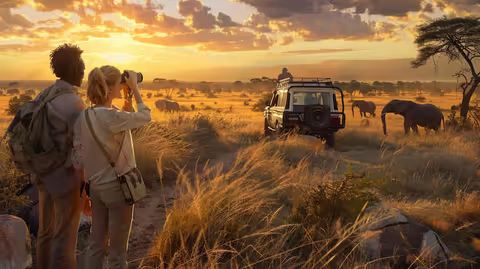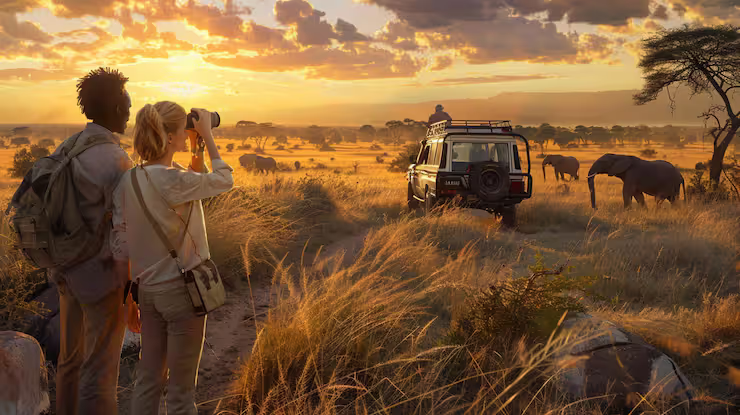
Luxury African safari travel refers to premium wildlife exploration experiences across protected ecosystems in Africa, where travelers observe animals in their natural habitats while staying in well-equipped safari lodges or eco-friendly camps. These journeys typically take place in national parks, wildlife reserves, and conservation areas known for biodiversity, scenic landscapes, and guided wildlife observation.
The concept of safari originated from East Africa and has evolved from traditional expeditions into structured eco-tourism experiences that emphasize sustainability, wildlife conservation, and cultural awareness. Modern safari journeys combine adventure with educational learning about ecosystems, animal behavior, and conservation practices.
Key characteristics of luxury safari experiences include:
-
Guided wildlife viewing in protected reserves
-
Comfortable safari lodges or tented camps
-
Conservation-focused tourism practices
-
Educational wildlife interpretation by expert guides
-
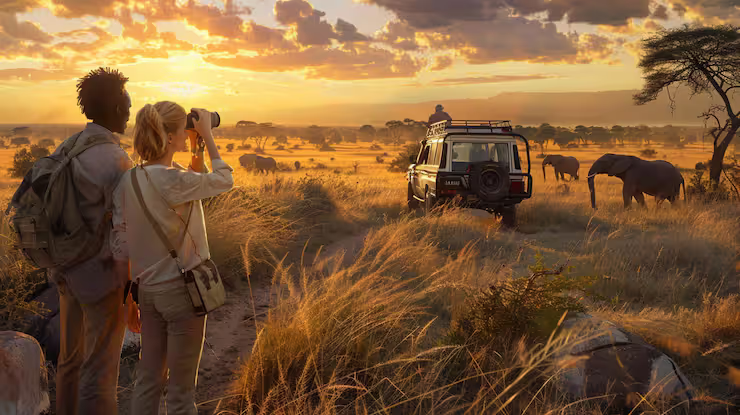
Opportunities for photography and ecological learning
Popular regions for safari exploration include:
| Region | Key Wildlife Areas | Notable Wildlife |
|---|---|---|
| East Africa | Serengeti, Maasai Mara | Lions, wildebeest migration |
| Southern Africa | Kruger National Park, Okavango Delta | Elephants, leopards |
| Central Africa | Virunga, Dzanga-Sangha | Gorillas, forest elephants |
| Namibia & Botswana | Etosha, Chobe | Desert wildlife, elephants |
Safari travel often involves structured game drives, guided nature walks, and educational sessions about wildlife conservation and biodiversity.
Why Luxury African Safari Travel Matters Today
Luxury safari tourism has become an important component of global eco-tourism and wildlife conservation awareness. Many protected areas rely on tourism revenue to support conservation programs, habitat protection, and local community development.
Several factors explain why safari tourism remains relevant today:
Biodiversity Conservation
Safari tourism helps support conservation initiatives that protect endangered species and ecosystems. Revenue from tourism often contributes to park management, anti-poaching programs, and wildlife monitoring.
Environmental Awareness
Visitors gain first-hand exposure to wildlife ecosystems, which promotes understanding of environmental preservation and responsible tourism.
Cultural and Community Engagement
Safari regions often include opportunities to learn about indigenous cultures, traditional conservation practices, and community-based tourism initiatives.
Global Wildlife Research
Wildlife tourism helps fund ecological research and monitoring programs that track animal populations and environmental changes.
The broader impact can be illustrated below.
| Impact Area | Contribution of Safari Tourism |
|---|---|
| Wildlife protection | Funding for conservation programs |
| Local economies | Support for communities near parks |
| Scientific research | Data collection and wildlife monitoring |
| Environmental education | Awareness of biodiversity |
Luxury safari experiences therefore represent more than travel; they also support conservation education and sustainable tourism.
Recent Developments and Trends in Safari Tourism
In the past year, safari tourism has experienced several notable developments related to sustainability, digital travel planning, and conservation awareness.
Growth of Sustainable Safari Lodges (2024–2025)
Many safari lodges across East and Southern Africa have increased investment in renewable energy systems, including solar-powered camps and water conservation technologies. These initiatives aim to reduce environmental impact while maintaining comfort for travelers.
Expansion of Conservation Tourism Programs (2024)
Wildlife reserves in countries such as Kenya, Botswana, and South Africa have expanded conservation-focused tourism experiences that include guided ecological learning and wildlife monitoring activities.
Digital Wildlife Mapping and Tracking
Several parks now integrate wildlife tracking technologies that help guides locate animals responsibly while minimizing disturbance to ecosystems.
Increased Interest in Wildlife Photography Safaris
Photography-focused safaris have become more popular among travelers interested in capturing wildlife images and learning about natural ecosystems.
The following chart illustrates key safari travel trends.
| Trend | Description | Impact |
|---|---|---|
| Eco-friendly lodges | Renewable energy and sustainable design | Reduced environmental footprint |
| Wildlife photography | Guided photography expeditions | Educational travel experiences |
| Digital safari planning | Online park information and mapping tools | Better travel preparation |
| Conservation tourism | Programs supporting wildlife protection | Increased environmental awareness |
These trends show a growing shift toward responsible tourism and ecological education.
Regulations and Conservation Policies Affecting Safari Travel
African safari tourism operates within strict conservation regulations designed to protect wildlife and ecosystems. Each country maintains national park policies that regulate visitor activity and environmental impact.
Protected Area Regulations
National parks and reserves often enforce rules such as:
-
Restricted driving zones within wildlife habitats
-
Limited number of vehicles during wildlife sightings
-
Controlled visitor access to sensitive ecosystems
-
Regulations on wildlife interaction and photography distance
Conservation Programs
Many countries operate national conservation initiatives to protect endangered species. Examples include wildlife monitoring programs, habitat restoration projects, and anti-poaching enforcement.
Community-Based Conservation Policies
Some safari regions implement policies that share tourism revenue with local communities. These programs encourage sustainable land management and wildlife protection.
International Environmental Agreements
Several African nations participate in international environmental frameworks that support biodiversity protection and responsible tourism.
These regulatory frameworks help ensure that safari tourism supports ecological sustainability rather than harming wildlife habitats.
Helpful Tools, Platforms, and Educational Resources for Safari Planning
Travelers researching African safari experiences often rely on digital tools and information platforms that provide insights into wildlife areas, travel preparation, and environmental conditions.
Safari Planning and Travel Research Tools
-
Wildlife migration tracking maps
-
National park information portals
-
Safari destination comparison tools
-
Wildlife photography guides
Travel and Navigation Applications
Several digital tools assist travelers during safari journeys.
| Tool Type | Purpose |
|---|---|
| Wildlife identification apps | Recognize animals and birds |
| Offline navigation maps | Navigation in remote regions |
| Weather forecast tools | Monitor safari climate conditions |
| Photography planning tools | Sunrise and sunset timing |
Educational Resources
-
Wildlife conservation organizations
-
National park educational websites
-
Eco-tourism research publications
-
Wildlife documentaries and digital libraries
These resources help travelers learn about ecosystems and prepare responsibly for safari experiences.
Frequently Asked Questions About Luxury African Safari Travel
What defines a luxury African safari experience?
A luxury safari generally combines wildlife exploration with comfortable accommodation, guided wildlife observation, and educational insights about ecosystems and conservation practices.
Which regions are most famous for safari wildlife viewing?
East Africa and Southern Africa are widely known for safari destinations. National parks such as Serengeti, Maasai Mara, Kruger, and Okavango Delta are recognized for diverse wildlife populations.
What wildlife species are commonly observed during safari trips?
Many safari destinations feature the “Big Five” wildlife species—lion, leopard, elephant, buffalo, and rhinoceros—along with numerous other animals including giraffes, zebras, antelope, and birds.
When is the best season for safari travel?
Wildlife viewing conditions vary by region. Dry seasons often improve visibility because animals gather around water sources, making them easier to observe.
How does safari tourism support conservation?
Tourism revenue helps fund wildlife protection programs, park management, ecological research, and community-based conservation initiatives.
Conclusion: Discovering Wildlife and Conservation Through Safari Travel
Luxury African safari travel provides a unique opportunity to explore some of the most remarkable wildlife ecosystems on Earth. Beyond scenic landscapes and wildlife encounters, safari experiences also offer valuable insights into biodiversity, conservation science, and sustainable tourism practices.
By supporting protected areas and conservation programs, safari tourism contributes to the preservation of wildlife habitats and endangered species. Travelers also gain deeper understanding of environmental challenges and the importance of ecological balance.
For wildlife enthusiasts, photographers, and travelers interested in nature exploration, African safaris remain one of the most educational and inspiring travel experiences available. Through responsible tourism and continued conservation efforts, these ecosystems can remain protected while providing meaningful opportunities for learning and discovery.