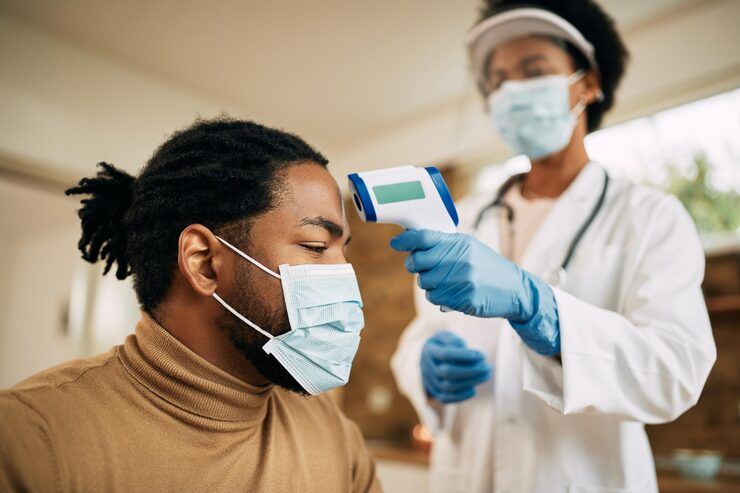
Fever testing is the process of measuring body temperature and, when necessary, using medical tests to understand the possible cause of an elevated temperature. Fever is a common symptom that can occur with infections and other medical conditions. It is part of the body's response to certain illnesses and does not always indicate a serious health problem.
Understanding fever testing can help people recognize changes in body temperature, understand common diagnostic procedures, and determine when professional medical advice may be necessary. Temperature measurement is often the first step, while additional tests may be recommended depending on a person's symptoms, medical history, age, and physical examination.
What Is Fever and How Is It Measured?
Understanding Normal Body Temperature
Normal body temperature varies from person to person and may change throughout the day. Physical activity, environmental conditions, age, and the method of measurement can influence the reading. A temperature of 100.4°F (38°C) or higher is commonly considered a fever, although healthcare professionals may interpret readings according to the measurement site and the person's circumstances.
A single temperature reading does not always explain why someone has a fever. Other symptoms, such as chills, headache, cough, fatigue, body aches, or digestive discomfort, may provide additional information about the underlying condition.
Common Methods of Temperature Measurement
Digital thermometers are widely used for measuring body temperature. Depending on the device, temperature can be measured orally, under the arm, in the ear, or at the forehead. Some thermometers are designed for specific age groups or measurement sites, so following the manufacturer's instructions is important.
Oral thermometers measure temperature inside the mouth, while axillary thermometers measure it under the arm. Ear thermometers use infrared technology to estimate temperature inside the ear, and forehead thermometers measure heat from the skin. Rectal temperature measurement may be used in certain clinical situations, particularly when a more accurate assessment is needed in young infants. The appropriate method depends on age, symptoms, and clinical guidance.
Common Types of Fever Tests
Complete Blood Count (CBC) Test
A complete blood count, commonly called a CBC test, measures different components of the blood, including white blood cells, red blood cells, and platelets. White blood cell counts may provide information about the body's response to illness. However, a CBC test cannot independently determine the exact cause of a fever or reliably distinguish every viral infection from a bacterial infection.
Healthcare professionals may recommend a CBC test when a fever persists, symptoms are concerning, or the patient's condition suggests that additional investigation is appropriate.
Blood Tests for Fever
Blood tests for fever may include a CBC, inflammatory markers, blood cultures, or other laboratory investigations. The choice depends on the suspected cause and the patient's clinical condition. Blood cultures may be used when a serious bloodstream infection is suspected because they can help identify certain microorganisms in the blood.
Other blood tests may assess organ function, electrolyte levels, or specific infections. Not everyone with a fever requires blood testing. A healthcare professional determines which investigations are appropriate based on the available clinical information.
Viral Fever Testing
Viral fever testing may involve specific laboratory tests for infections such as influenza, COVID-19, or other viruses. Depending on the suspected infection, testing may use a nasal swab, throat swab, blood sample, or another specimen. Different tests detect different substances, such as viral genetic material, proteins, or antibodies.
The appropriate test depends on the symptoms, timing of the illness, exposure history, and local medical recommendations. A general fever test does not identify every possible virus, and some infections can be managed based on clinical assessment without extensive testing.
Dengue and Malaria Tests
In regions where mosquito-borne diseases are common, healthcare professionals may consider dengue or malaria testing when symptoms and exposure history suggest these infections. Dengue investigations may include antigen tests, antibody tests, and blood counts, depending on the stage of illness. Malaria diagnosis commonly involves examining a blood sample through microscopy or using an appropriate rapid diagnostic test.
These tests are not necessary for every person with a fever. Their use depends on local disease patterns, travel or mosquito exposure, symptoms, and clinical assessment. Suspected dengue or malaria should be evaluated promptly because these illnesses can sometimes lead to serious complications.
Urine Tests and Other Diagnostic Tests
A urine test may be recommended when a urinary tract infection or another urinary condition is suspected. Depending on the findings, a urine culture may help identify bacteria and guide treatment decisions.
Additional investigations can include throat swabs, respiratory samples, stool tests, or imaging studies. For example, a chest X-ray may be considered when symptoms suggest pneumonia or another chest condition. The purpose of these investigations is to evaluate possible causes rather than simply confirm that a fever exists.
When Is Fever Testing Necessary?
Fever That Persists or Returns
A fever that continues, returns after improving, or occurs with worsening symptoms may require medical evaluation. The appropriate timing depends on age, the measured temperature, other symptoms, existing medical conditions, and the duration of the illness.
There is no single testing schedule that applies to every fever. Some short-lived fevers improve without extensive investigation, while persistent or unexplained fever may require further assessment. A healthcare professional can determine whether observation, laboratory testing, or another evaluation is appropriate.
Fever in Infants and Young Children
Fever in very young infants requires particular attention. A baby younger than three months with a temperature of 100.4°F (38°C) or higher should receive immediate medical evaluation, even if the baby appears otherwise well. Infants and children may show signs of illness differently from adults, so changes in feeding, alertness, breathing, or urine output are important to recognize.
Parents and caregivers should follow age-appropriate medical advice rather than relying only on a temperature reading. Children who appear seriously unwell, have difficulty breathing, experience a seizure, or show signs of dehydration need urgent medical attention.
Fever in Adults and Higher-Risk Individuals
Adults may need medical assessment when fever occurs alongside persistent vomiting, significant pain, a worsening cough, painful urination, a new rash, or other unusual symptoms. People with weakened immune systems, those receiving cancer treatment, transplant recipients, and individuals with certain chronic conditions may need earlier evaluation.
A fever during chemotherapy or in a person with known severe immune suppression can represent a medical emergency. Such individuals should follow their treating team's instructions about temperature thresholds and when to seek immediate care.
Warning Signs That Require Medical Attention
Emergency Symptoms
Some symptoms accompanying fever may indicate a serious medical condition. Emergency medical attention is necessary when a person experiences difficulty breathing, confusion, inability to wake normally, a seizure, severe chest pain, a stiff neck with a severe headache, or a rapidly spreading rash that does not fade when pressed.
Severe dehydration, collapse, or signs of shock also require urgent assessment. People should not delay emergency care while waiting for a fever test or laboratory result.
When to Contact a Healthcare Professional
Medical advice is appropriate when fever persists, repeatedly returns, worsens, or occurs with symptoms that cause concern. The duration that warrants evaluation varies according to age and health status. People with significant underlying illnesses or weakened immunity should not wait for the fever to last several days before seeking guidance.
A healthcare professional can assess the full pattern of symptoms and decide whether temperature monitoring, blood tests, urine tests, infection-specific testing, or other investigations are needed.
How to Prepare for a Fever Test
Information to Share Before Testing
Before a medical assessment, it can be helpful to record the highest measured temperature, when the fever began, the method used to measure it, and any medicines already taken. Information about recent travel, possible exposure to infections, existing medical conditions, and associated symptoms may also help guide the evaluation.
Patients should tell the healthcare professional about prescription medicines, allergies, and relevant treatment history. These details can help determine which tests are suitable and how results should be interpreted.
Understanding Test Results
Fever test results must be interpreted in context. A raised white blood cell count, for example, may occur for several reasons and does not automatically confirm a bacterial infection. Similarly, an early negative result for a particular infection may not always exclude that illness.
Some tests require repeat testing or additional investigations when symptoms persist. Patients should discuss abnormal results and next steps with a qualified healthcare professional rather than relying on a single laboratory value to make a diagnosis.
Fever Management While Monitoring Symptoms
Basic Care and Temperature Monitoring
During a mild illness, rest, adequate fluid intake, and periodic temperature monitoring may help support general comfort. People should use a reliable thermometer correctly and record readings when necessary. The frequency of monitoring can depend on symptoms, age, and medical advice.
Fever-reducing medicines may be appropriate for some people, but the choice and dose depend on age, medical history, other medicines, and individual circumstances. Children should receive only age-appropriate medication and dosing guidance. Aspirin should not be given to children or teenagers with suspected viral illness unless specifically directed by a healthcare professional.
Avoiding Delays in Medical Evaluation
Home temperature monitoring cannot identify every cause of fever. A lower temperature after taking medicine does not necessarily mean that the underlying illness has resolved. Similarly, a normal reading at one point does not rule out a developing infection.
People should seek medical advice when symptoms worsen, warning signs appear, or their health circumstances make infection more concerning. Diagnostic testing should be guided by clinical assessment rather than performed indiscriminately.
Conclusion
Fever testing begins with accurate temperature measurement and may involve blood tests, urine tests, respiratory swabs, or infection-specific investigations when needed. The most appropriate method depends on a person's age, symptoms, medical history, and the suspected cause of the fever.
Understanding common diagnostic tests can help people prepare for medical appointments and recognize situations that require professional care. Persistent fever, concerning symptoms, and fever in very young infants or people with weakened immunity deserve particular attention. Medical evaluation remains essential when symptoms are severe, unexplained, or worsening.
Frequently Asked Questions
What Is the Most Common Test for Fever?
Temperature measurement with a thermometer is the first step in evaluating a fever. If further investigation is needed, a healthcare professional may recommend a CBC, urine test, blood culture, or an infection-specific test based on the symptoms.
Can a CBC Test Identify the Cause of a Fever?
A CBC measures blood cells and may provide useful information about the body's response to illness. However, it cannot independently identify every cause of fever, and additional testing may be required.
When Should a Person Get a Blood Test for Fever?
Blood testing may be recommended when a fever is persistent, symptoms suggest a significant infection, or the medical history indicates a need for further investigation. The decision should be made by a healthcare professional.
Is Every Fever a Sign of Infection?
No. Infections are a common cause of fever, but certain inflammatory conditions, medication reactions, and other medical problems can also cause an elevated temperature.
When Is a Fever an Emergency?
A fever requires emergency assessment when accompanied by symptoms such as difficulty breathing, confusion, seizures, severe neck stiffness, or signs of shock. A temperature of 100.4°F (38°C) or higher in an infant younger than three months also requires immediate medical evaluation.
Medical Disclaimer: This article provides general educational information and is not a substitute for professional medical advice, diagnosis, or treatment. Seek advice from a qualified healthcare professional for concerns about fever or related symptoms.