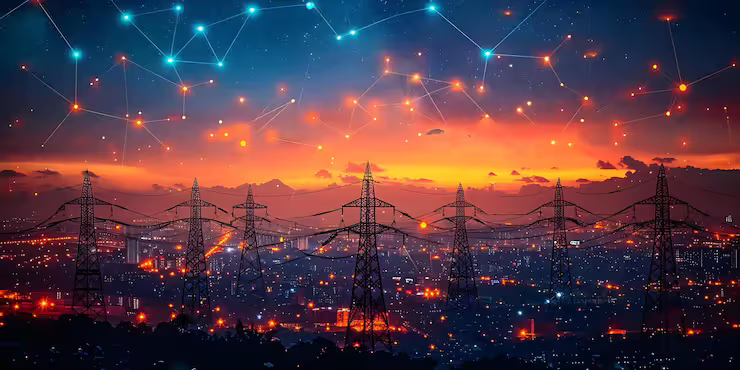
Electric grid energy systems form the backbone of modern electricity infrastructure. These interconnected networks deliver electrical power from generation sources to homes, industries, and digital infrastructure. As energy demand grows and renewable generation expands, grid systems are evolving into intelligent, flexible, and digitally managed networks often referred to as smart grid technology.
Understanding how electric grids operate helps clarify how electricity flows across regions, how grid stability is maintained, and how energy systems support modern economies.
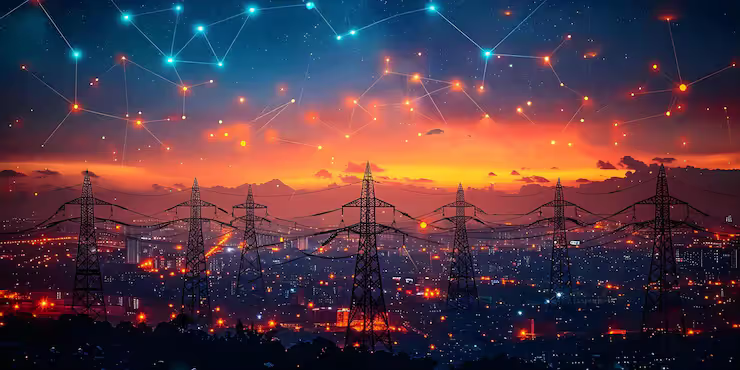
Understanding Electric Grid Energy Systems
Electric grid energy systems refer to the complex network that connects electricity generation plants, high-voltage transmission lines, substations, and distribution networks. These components work together to ensure that electricity generated at power plants reaches end users reliably.
The grid exists because electricity must be generated and delivered in real time. Unlike other commodities, electrical energy is difficult to store in large quantities. The grid balances supply and demand continuously to maintain system stability.
Electric grids typically include three major infrastructure layers:
| Grid Component | Role in Energy System | Example Infrastructure |
|---|---|---|
| Power Generation | Produces electricity from various sources | Solar farms, wind turbines, thermal plants |
| Transmission Network | Transfers electricity over long distances | High-voltage transmission lines |
| Distribution Network | Delivers electricity to homes and businesses | Local substations and distribution feeders |
Energy operators rely on power grid management systems, energy monitoring platforms, and grid stability analytics to keep this network functioning efficiently.
Modern grids increasingly incorporate renewable energy integration, energy storage technology, and smart metering infrastructure, allowing real-time monitoring and optimization of electricity distribution.
Why Electric Grid Infrastructure Matters Today
Electric grid energy systems are essential to nearly every aspect of modern life. From residential lighting to industrial manufacturing and digital data centers, electricity powers the global economy.
The growing importance of renewable energy grid integration, smart grid analytics, and power transmission optimization has made grid infrastructure a major focus of energy policy and technological innovation.
Several key factors explain why electric grid systems matter more than ever:
• Rising electricity demand due to urbanization and digital infrastructure
• Electric vehicle charging networks increasing grid load patterns
• Renewable energy variability requiring advanced grid balancing solutions
• Grid resilience planning for climate events and extreme weather
• Energy storage systems improving reliability and peak demand management
Energy systems also influence national economic stability. Reliable grid infrastructure supports industries, hospitals, transportation networks, and communication systems.
For example, smart grid technology enables utilities to monitor electricity flow in real time. Sensors and digital platforms detect disruptions, optimize energy distribution, and improve grid efficiency.
The shift toward decentralized power generation—such as rooftop solar systems and community energy projects—also requires grid modernization. These distributed energy resources must connect seamlessly with existing transmission infrastructure.
Recent Developments in Electric Grid Technology
Over the past year, several important developments have influenced electric grid energy systems globally.
In 2024 and early 2025, energy authorities and grid operators accelerated investments in grid modernization technologies, particularly digital monitoring platforms and grid automation systems.
One major trend is the expansion of renewable energy transmission infrastructure. As solar and wind projects increase, new high-capacity transmission corridors are being built to move electricity from generation regions to urban demand centers.
Another significant trend involves grid-scale energy storage systems. Battery storage installations have expanded rapidly, helping balance supply fluctuations from renewable sources.
Key developments observed across the energy sector include:
• Deployment of AI-based grid management platforms for predictive maintenance
• Expansion of advanced metering infrastructure (AMI) for real-time electricity monitoring
• Growth of microgrid systems supporting local energy resilience
• Increased research into high-voltage direct current (HVDC) transmission systems
• Greater integration of distributed energy resources (DERs)
The following chart summarizes how modern grid technologies contribute to system performance.
| Technology | Grid Benefit | Example Application |
|---|---|---|
| Smart Grid Sensors | Real-time monitoring | Fault detection |
| Battery Energy Storage | Balances renewable output | Peak demand management |
| HVDC Transmission | Efficient long-distance transfer | Inter-regional power exchange |
| Grid Automation Systems | Faster response to outages | Self-healing grid networks |
These developments highlight the transition from traditional grids toward digitally optimized energy infrastructure.
Regulatory Framework and Energy Policies
Electric grid energy systems operate within strict regulatory and policy frameworks. Governments and regulatory authorities oversee grid operations to ensure reliability, safety, and fair electricity distribution.
In many countries, national energy regulators set guidelines for transmission operators, distribution companies, and grid reliability standards.
Policy frameworks often address the following areas:
• Grid reliability and power quality standards
• Renewable energy integration mandates
• Electricity market regulations
• Transmission infrastructure planning
• Cybersecurity protection for energy networks
For example, several energy policy initiatives in recent years emphasize clean energy grid transition strategies. Governments are introducing frameworks that encourage renewable generation while maintaining system reliability.
Energy transition policies frequently include:
• National renewable energy targets
• Grid modernization investment programs
• Smart meter deployment strategies
• Regional power exchange agreements
• Grid resilience and disaster preparedness planning
These policies aim to create an electricity infrastructure capable of supporting future energy demand while reducing carbon emissions.
Tools and Digital Resources for Grid Energy Analysis
A wide range of digital platforms, analytical tools, and energy data resources help researchers, planners, and policymakers understand grid performance.
These tools assist with grid simulation, energy forecasting, and infrastructure planning.
Examples of useful grid analysis resources include:
• Electric grid simulation software used for system modeling
• Energy demand forecasting tools that predict electricity consumption patterns
• Grid stability monitoring platforms that track voltage and frequency performance
• Renewable integration modeling systems for solar and wind capacity planning
• Energy market analytics dashboards used by grid operators
Several commonly used energy data resources include:
| Resource Type | Purpose |
|---|---|
| Grid monitoring dashboards | Track real-time electricity flows |
| Energy forecasting models | Predict power demand patterns |
| Renewable generation analytics | Measure solar and wind output |
| Transmission network maps | Visualize grid infrastructure |
Researchers and analysts often use these resources to study energy demand growth, grid resilience strategies, and renewable integration pathways.
These analytical tools support better planning of transmission infrastructure and help maintain grid reliability under changing energy conditions.
Frequently Asked Questions About Electric Grid Energy Systems
What is an electric grid energy system?
An electric grid energy system is a network that connects power generation facilities, transmission lines, substations, and distribution systems to deliver electricity to consumers.
How does electricity move through the grid?
Electricity flows from generation plants through high-voltage transmission lines to substations, where voltage is reduced before being distributed to homes and businesses.
What is a smart grid?
A smart grid uses digital sensors, automation systems, and communication technologies to monitor electricity flow and improve grid efficiency and reliability.
Why is renewable energy integration challenging for the grid?
Solar and wind power generation varies depending on weather conditions. Grid operators must balance this variability using forecasting tools, storage systems, and flexible generation resources.
What role do energy storage systems play in grid stability?
Energy storage systems store excess electricity and release it during periods of high demand, helping maintain grid balance and reliability.
Conclusion
Electric grid energy systems are fundamental to modern energy infrastructure. They ensure that electricity generated from diverse sources such as solar farms, wind turbines, and traditional power plants reaches consumers reliably and efficiently.
The global energy landscape is evolving rapidly. Grid modernization, renewable energy integration, and digital monitoring technologies are transforming traditional power networks into intelligent, adaptive systems.
Advances in smart grid technology, energy storage infrastructure, and grid analytics platforms are enabling more resilient and sustainable electricity networks.
As electricity demand grows and clean energy adoption expands, understanding electric grid systems becomes increasingly important for policymakers, engineers, and energy researchers.
A resilient and technologically advanced grid will remain essential for supporting economic growth, environmental sustainability, and the long-term stability of global energy systems.