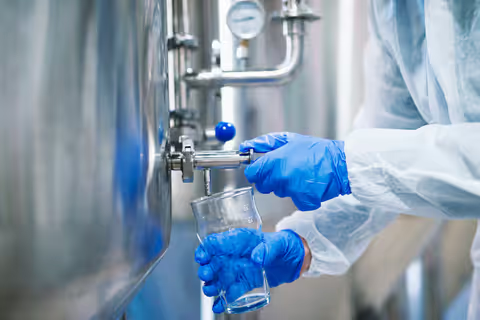
Coolant manufacturing is the industrial process of producing liquid formulations designed to regulate temperature, reduce friction, and protect machinery or engines from overheating during operation. Coolants are essential for transferring heat away from equipment, maintaining performance stability, and preventing corrosion within industrial systems.
As industries adopted high-speed machinery, automotive engines, and heavy industrial equipment, coolant manufacturing became necessary to ensure thermal control, extend component lifespan, and improve operational reliability.

Importance: Why Coolant Manufacturing Matters in Industry
Coolants are critical for maintaining equipment performance and preventing heat-related failures.
1. Temperature Control Efficiency
Helps maintain stable operating temperatures in engines and industrial machinery.
2. Equipment Protection
Prevents corrosion, scaling, and wear inside cooling systems.
3. Operational Reliability
Reduces overheating risks and unexpected equipment shutdowns.
4. Energy Efficiency Improvement
Optimized heat transfer supports efficient machine performance.
5. Extended Equipment Lifespan
Proper cooling reduces stress on mechanical components.
Coolant Manufacturing Process
1. Raw Material Selection
Manufacturers choose base fluids, additives, and chemical stabilizers suitable for heat transfer and protection.
2. Base Fluid Preparation
Water, glycol, or synthetic fluids are prepared as the primary cooling medium.
3. Chemical Blending
Additives such as corrosion inhibitors and anti-foam agents are mixed for performance enhancement.
4. Homogenization Process
The mixture is blended thoroughly to ensure uniform formulation consistency.
5. Filtration and Purification
Removes impurities and ensures product cleanliness for safe industrial use.
6. Quality Testing
Laboratory tests verify viscosity, pH level, freezing point, and thermal performance.
7. Packaging and Storage
Finished coolant is packaged and stored under controlled conditions before distribution.
Materials Used in Coolant Manufacturing
1. Ethylene Glycol
Provides excellent heat transfer and antifreeze properties for engine and industrial cooling applications.
2. Propylene Glycol
Used for safer and environmentally friendly coolant formulations with effective temperature control.
3. Deionized Water
Acts as a base fluid to improve thermal conductivity and reduce mineral deposits.
4. Corrosion Inhibitors
Protect metal surfaces from rust and chemical degradation.
5. Anti-Foam Additives
Prevent foam formation that can reduce cooling efficiency.
6. Lubrication Additives
Reduce friction within cooling systems and improve component protection.
7. Stabilizers and Dyes
Maintain chemical stability and allow easy coolant identification.Coolant Types and Industrial Applications
| Coolant Type | Main Composition | Common Application |
|---|---|---|
| Ethylene Glycol Coolant | Glycol + additives | Automotive engines |
| Propylene Glycol Coolant | Eco-friendly glycol | Food & HVAC systems |
| Synthetic Coolant | Chemical compounds | High-performance machines |
| Water-Based Coolant | Treated water mix | Industrial machinery |
| Cutting Fluid Coolant | Lubricant blend | Metal machining |
Industrial Applications of Coolants
1. Automotive Industry
Maintains engine temperature and prevents overheating during vehicle operation.
2. Manufacturing Machinery
Supports cooling and lubrication for continuous industrial production.
3. Metal Cutting and Machining
Reduces heat and friction during drilling, milling, and grinding processes.
4. Power Generation Plants
Maintains stable temperatures for turbines and power equipment.
5. HVAC Systems
Used in chillers and cooling systems for temperature regulation.
6. Chemical Processing Plants
Helps control reaction temperatures safely and efficiently.
7. Aerospace and Heavy Equipment
Ensures reliable cooling under high-performance operating conditions.
Benefits of Coolant Manufacturing
1. Improved Thermal Management
Maintains consistent temperature across industrial equipment.
2. Corrosion Protection
Extends system life by preventing rust and scale formation.
3. Increased Equipment Efficiency
Supports smooth operation with reduced energy loss.
4. Operational Safety
Prevents overheating-related accidents and failures.
5. Versatile Industrial Use
Suitable for automotive, industrial, and processing applications.
Challenges & Considerations
1. Environmental Compliance
Coolant formulations must meet safety and disposal regulations.
2. Chemical Stability Control
Maintaining long-term coolant performance requires precise formulation.
3. Storage and Handling Safety
Proper storage conditions are required to prevent contamination.
4. Cost of Raw Materials
High-quality additives may increase manufacturing costs.
5. Disposal and Recycling Requirements
Used coolants must be managed according to environmental standards.
How to Choose the Right Coolant
1. Identify Operating Temperature Range
Choose coolant suitable for specific heat conditions.
2. Check Equipment Compatibility
Ensure coolant matches materials used in machinery systems.
3. Evaluate Corrosion Protection Needs
Select formulas with strong anti-corrosion additives.
4. Consider Environmental Standards
Use eco-friendly or low-toxicity formulations where required.
5. Review Maintenance Requirements
Choose coolant with longer service intervals for efficiency.
Maintenance & Best Practices
1. Regular Coolant Level Checks
Maintain proper levels to ensure effective heat transfer.
2. Periodic Replacement
Change coolant according to manufacturer recommendations.
3. System Cleaning
Remove deposits and contaminants to maintain efficiency.
4. Monitor Coolant Quality
Check pH and concentration regularly.
5. Leak Detection and Repair
Prevent coolant loss and system damage.
Frequently Asked Questions
What is coolant used for?
Coolant controls temperature and prevents overheating in machinery and engines.
What are the main coolant types?
Ethylene glycol, propylene glycol, synthetic, and water-based coolants.
Is coolant used only in vehicles?
No, it is widely used in industrial machinery and power systems.
How often should coolant be replaced?
Replacement depends on usage and manufacturer guidelines.
Can coolant improve machine lifespan?
Yes, proper cooling reduces wear and extends equipment life.
Conclusion
Coolant manufacturing plays a vital role in maintaining thermal stability, operational efficiency, and equipment protection across modern industries. Through precise chemical formulation, quality control, and careful material selection, manufacturers produce coolants that support reliable performance in automotive, industrial, and energy applications.
Understanding the process, materials, and industrial uses of coolant manufacturing helps industries choose the right cooling solutions for safer and more efficient operations. As machinery performance demands continue to increase, advanced coolant technologies will remain essential for sustainable industrial growth.