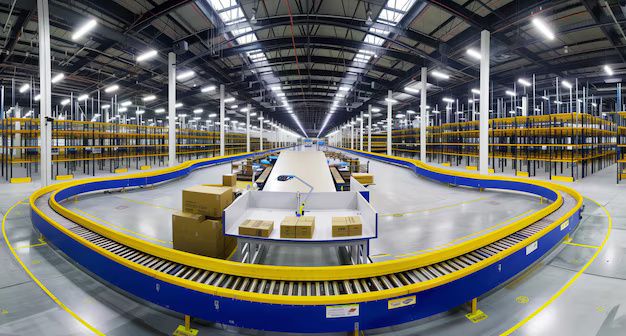
Conveyor systems are mechanical material-handling systems designed to move products, raw materials, or finished goods efficiently from one location to another within industrial environments. They were developed to replace manual transportation methods, reduce labor effort, improve production flow, and support high-speed industrial operations across manufacturing, logistics, and processing industries.
As industries expanded and production volumes increased, conveyor systems became essential for maintaining continuous workflow, minimizing downtime, and improving operational efficiency.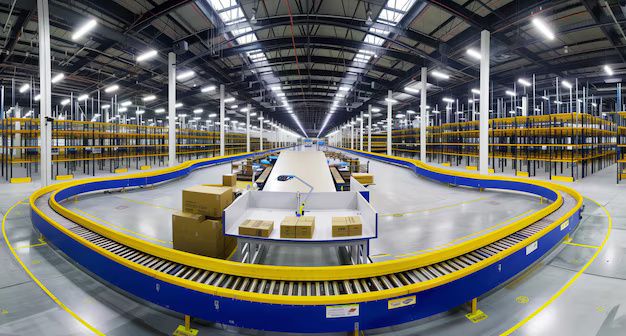
Importance: Why Conveyor Systems Matter in Modern Industry
Conveyor systems are critical for automated production and material movement across industries.
1. Continuous Material Flow
Ensures smooth movement of goods without production interruption.
2. Labor Efficiency Improvement
Reduces manual handling and workplace fatigue.
3. Faster Production Cycles
Supports high-speed manufacturing and packaging lines.
4. Improved Workplace Safety
Minimizes lifting injuries and handling risks.
5. Industrial Automation Support
Integrates with robotics and smart factory systems.
Types of Conveyor Systems
1. Belt Conveyor
Uses a continuous moving belt to transport bulk materials or packaged goods efficiently over short or long distances.
2. Roller Conveyor
Uses rotating rollers to move boxes and pallets smoothly in warehouses and assembly lines.
3. Chain Conveyor
Uses chains to carry heavy loads such as pallets, containers, or industrial components.
4. Screw Conveyor
Uses a rotating screw mechanism to move powders, grains, or bulk materials through enclosed systems.
5. Overhead Conveyor
Suspends products from above to save floor space and support assembly or paint lines.
6. Pneumatic Conveyor
Uses air pressure to transport lightweight powders or granular materials through pipelines.
7. Vibrating Conveyor
Uses vibration motion to move fragile or irregular materials gently.
8. Modular Conveyor
Uses interlocked plastic or metal modules for flexible and customizable production lines.
Working Principle of Conveyor Systems
1. Drive System Activation
Electric motors generate movement to power belts, rollers, or chains.
2. Material Loading
Products are placed onto the conveyor at designated loading points.
3. Controlled Material Transport
Conveyor movement carries materials through production or processing areas.
4. Direction and Speed Control
Sensors and controllers regulate movement according to process requirements.
5. Material Discharge
Items are unloaded at end points for packaging, processing, or storage.
Core Components of Conveyor Systems
1. Conveyor Frame
Provides structural support and stability for the entire conveying system.
2. Drive Motor
Generates power required to move conveyor components.
3. Belt or Chain Mechanism
Transfers materials smoothly along the production line.
4. Rollers or Idlers
Support and guide belts to maintain alignment and reduce friction.
5. Bearings and Shafts
Enable smooth rotation and reduce mechanical wear.
6. Control System
Regulates speed, direction, and safety operations.
7. Sensors and Safety Devices
Detect product flow and prevent operational hazards.
Conveyor System Types and Industrial Applications
| Conveyor Type | Material Handling Method | Common Application |
|---|---|---|
| Belt Conveyor | Continuous belt movement | Manufacturing plants |
| Roller Conveyor | Rolling transport | Warehouses & logistics |
| Chain Conveyor | Heavy-duty load movement | Automotive industry |
| Screw Conveyor | Rotating screw transfer | Food & chemical processing |
| Pneumatic Conveyor | Air pressure movement | Powder handling |
| Overhead Conveyor | Suspended transport | Assembly lines |
Industrial Applications of Conveyor Systems
1. Manufacturing Industry
Used for assembly lines, component handling, and automated production flow.
2. Warehousing & Logistics
Supports sorting, loading, and packaging operations efficiently.
3. Food Processing Industry
Moves products hygienically through processing and packaging stages.
4. Mining & Bulk Material Handling
Transports ores, coal, and aggregates over long distances.
5. Automotive Industry
Handles parts and vehicle assembly operations with precision.
6. Pharmaceutical Industry
Ensures controlled and contamination-free material movement.
7. Airport & Baggage Handling
Moves luggage efficiently through check-in and delivery systems.
Benefits of Conveyor Systems
1. Increased Productivity
Supports continuous operations with minimal manual intervention.
2. Reduced Operational Costs
Lowers labor requirements and handling expenses.
3. Improved Workflow Efficiency
Maintains consistent production movement.
4. Enhanced Safety Standards
Reduces manual lifting and workplace accidents.
5. Scalable System Design
Can be expanded or modified based on production needs.
Challenges & Considerations
1. Initial Installation Cost
Large systems require significant investment.
2. Maintenance Requirements
Belts, rollers, and motors need regular servicing.
3. Space Planning
Proper layout design is necessary for efficient operation.
4. Equipment Compatibility
System must match production requirements.
5. Energy Consumption
Efficient motors and controls are important for cost savings.
How to Choose the Right Conveyor System
1. Identify Material Type
Determine weight, size, and material characteristics.
2. Evaluate Production Volume
Select system capacity based on throughput needs.
3. Consider Layout Space
Choose straight, curved, or overhead designs accordingly.
4. Check Automation Compatibility
Ensure integration with existing machinery.
5. Review Safety Features
Include emergency stops and protective guards.
Maintenance & Best Practices
1. Regular Belt Inspection
Check alignment and wear to prevent downtime.
2. Lubrication of Bearings
Reduces friction and extends equipment life.
3. Cleaning and Debris Removal
Prevents operational blockage and contamination.
4. Motor Performance Monitoring
Ensures efficient energy usage and reliability.
5. Scheduled Preventive Maintenance
Helps avoid unexpected breakdowns.
Frequently Asked Questions
What are conveyor systems used for?
They transport materials and products efficiently within industrial environments.
Which conveyor type is most common?
Belt conveyors are widely used across many industries.
Can conveyor systems be automated?
Yes, they integrate easily with automation and control systems.
Are conveyor systems energy efficient?
Modern designs use efficient motors and smart controls.
How long do conveyor systems last?
Typically 10–25 years with proper maintenance.
Conclusion
Conveyor systems are essential components of modern industrial operations, enabling efficient, safe, and continuous movement of materials across production and logistics environments. By understanding their types, working principles, components, and industrial applications, businesses can select the right conveyor solutions to improve productivity and operational efficiency.
As industries continue adopting automation and smart manufacturing, conveyor systems will remain a key technology supporting streamlined and high-performance industrial workflows.