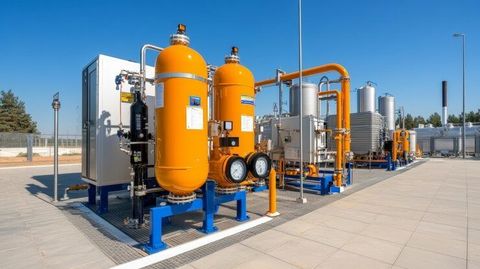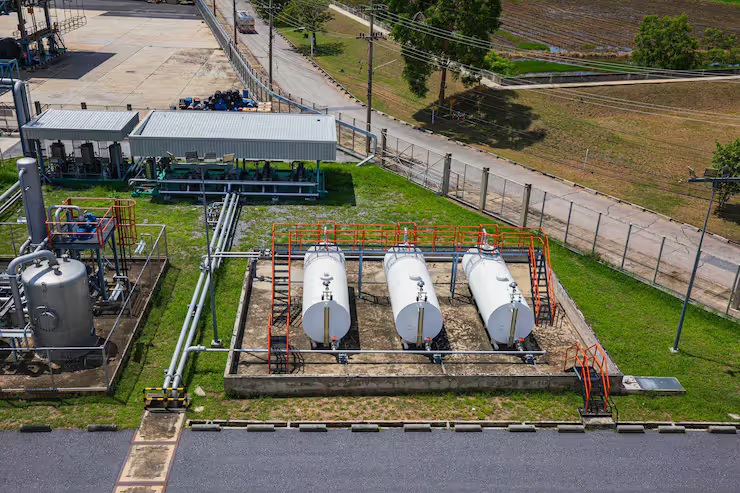
Biogas production units are systems designed to convert organic waste into renewable energy through anaerobic digestion. This biological process occurs when microorganisms break down biodegradable materials such as agricultural residues, food scraps, animal manure, or sewage in oxygen-free conditions. The result is biogas, primarily composed of methane and carbon dioxide, along with digestate that can support soil health applications.
Biogas technology emerged as an environmental response to waste management challenges and energy sustainability goals. With rising global energy demand and environmental concerns, renewable energy systems such as biogas plants have gained attention for their ability to reduce greenhouse gas emissions while utilizing organic waste efficiently.
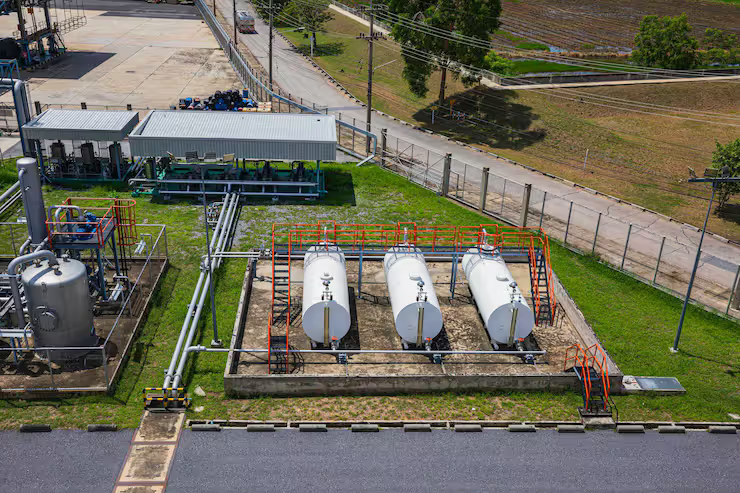
Biogas production units can vary in scale:
-
Household digesters used in rural communities
-
Community-level units supporting shared waste processing
-
Industrial biogas plants handling agricultural or municipal waste streams
These systems contribute to circular economy practices by transforming waste into useful energy resources.
Importance – Why Biogas Systems Matter Today
Biogas production units have become increasingly relevant due to environmental sustainability goals, renewable energy transitions, and waste management challenges. Their impact spans multiple sectors including agriculture, municipal infrastructure, environmental engineering, and energy policy.
Key benefits include:
-
Reduction in methane emissions from organic waste
-
Diversification of renewable energy sources
-
Improved organic waste management practices
-
Support for sustainable agricultural ecosystems
-
Lower dependence on fossil fuel energy sources
The environmental impact is particularly significant. Methane is a potent greenhouse gas, and capturing it through anaerobic digestion reduces atmospheric emissions while producing usable energy.
The following table summarizes key impacts:
| Aspect | Environmental Impact | Energy Impact | Societal Impact |
|---|---|---|---|
| Organic Waste Processing | Lower landfill emissions | Renewable methane generation | Improved sanitation |
| Agricultural Residues | Soil nutrient recycling | Decentralized energy potential | Rural sustainability |
| Municipal Waste | Reduced pollution | Bioenergy integration | Cleaner urban environments |
Biogas systems also align with climate resilience strategies and sustainable infrastructure development, making them increasingly important for policymakers and environmental planners.
Recent Updates – Trends and Developments
Recent developments show continued growth in biogas adoption, supported by climate commitments, renewable energy targets, and technological innovation.
Notable developments from the past year include:
-
2025 expansion of biomethane integration initiatives across several regions to support clean energy transition strategies
-
Increased focus on agricultural waste conversion technologies using advanced anaerobic digestion monitoring systems
-
Emerging research into improved methane yield efficiency using optimized microbial cultures
-
Growing emphasis on carbon accounting frameworks recognizing biogas as a low-emission energy contributor
Technological advancements have improved system monitoring and performance tracking. Digital sensors, automated control systems, and predictive analytics help optimize gas production and operational stability.
Industry analysts also note increased collaboration between agricultural sectors and renewable energy stakeholders to promote sustainable waste utilization.
Laws or Policies – Regulatory and Government Frameworks
Biogas production is shaped by environmental policies, renewable energy regulations, and waste management frameworks. Many governments promote bioenergy through sustainability initiatives, climate commitments, and renewable energy integration policies.
In India, policy frameworks related to biogas include:
-
National Bioenergy Mission initiatives supporting renewable energy expansion
-
Waste-to-Energy guidelines promoting organic waste utilization
-
Climate action commitments encouraging methane emission reduction
-
Agricultural sustainability programs emphasizing resource efficiency
Environmental regulations typically address:
-
Waste handling standards
-
Emission monitoring requirements
-
Environmental compliance certifications
-
Renewable energy reporting obligations
Globally, climate policies and carbon reduction strategies continue influencing biogas adoption, especially within renewable energy infrastructure planning.
Understanding regulatory frameworks helps ensure environmental compliance and long-term operational sustainability.
Tools and Resources – Helpful Information Platforms
Several tools and informational resources support understanding of biogas systems, renewable energy analytics, and environmental planning.
Useful resources include:
-
Renewable energy data dashboards for bioenergy trends
-
Environmental impact assessment templates
-
Anaerobic digestion simulation software
-
Waste management planning frameworks
-
Academic research publications on bioenergy innovation
Digital monitoring platforms increasingly provide insights into:
-
Methane production efficiency
-
System performance optimization
-
Environmental impact reporting
-
Renewable energy forecasting
A simplified comparison table of tool categories:
| Tool Category | Purpose | Typical Users |
|---|---|---|
| Energy Analytics Platforms | Performance tracking | Researchers, engineers |
| Environmental Assessment Tools | Impact evaluation | Policy analysts |
| Waste Management Planning Software | Resource optimization | Municipal planners |
| Bioenergy Research Databases | Technical insights | Academic institutions |
These resources support informed decision-making and knowledge development within the renewable energy sector.
FAQs – Common Questions About Biogas Production
What materials can be used in biogas production units?
Organic materials such as food waste, agricultural residues, manure, and sewage sludge are commonly used because they contain biodegradable components suitable for anaerobic digestion.
Is biogas considered renewable energy?
Yes. Biogas is classified as renewable energy since it originates from organic waste sources that can be replenished continuously.
How does biogas help environmental sustainability?
Biogas systems reduce methane emissions from waste, lower reliance on fossil fuels, and support sustainable waste management practices.
What is digestate in biogas systems?
Digestate is the nutrient-rich byproduct remaining after anaerobic digestion. It contains organic matter and nutrients that can contribute to soil health applications.
Are biogas units suitable for urban and rural areas?
Yes. Different scales of systems exist, from small rural digesters to large municipal installations, depending on available organic waste resources.
Conclusion – Future Outlook for Biogas Production Units
Biogas production units represent a significant component of renewable energy infrastructure and sustainable waste management strategies. Their ability to convert organic waste into usable energy supports environmental sustainability, energy diversification, and climate mitigation goals.
Technological advancements, policy initiatives, and growing environmental awareness continue to drive interest in bioenergy solutions. As nations pursue carbon reduction targets and sustainable development objectives, biogas systems are likely to remain a valuable element of clean energy ecosystems.
Understanding the fundamentals, regulatory context, technological trends, and available informational resources helps stakeholders engage responsibly with this evolving renewable energy domain. Continued research, infrastructure development, and policy alignment will shape the future role of biogas in global energy sustainability efforts.