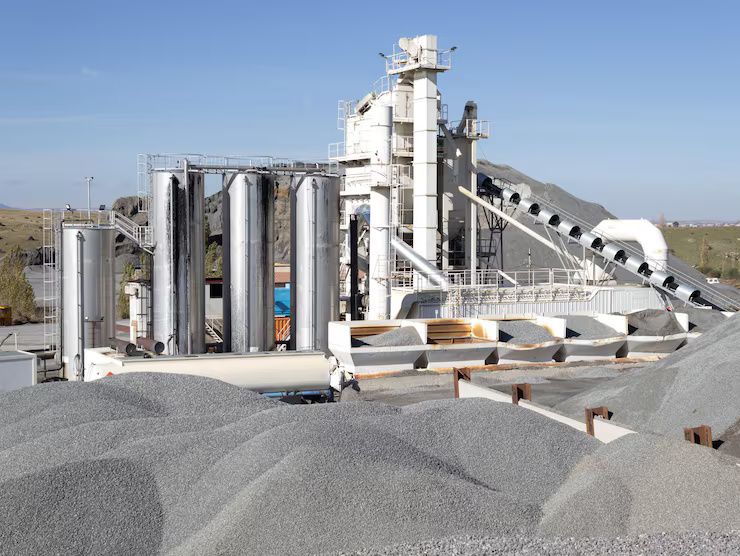
An asphalt mixing plant is an industrial facility used to produce asphalt by combining aggregates, bitumen, and filler materials under controlled temperature and mixing conditions. These plants were developed to provide consistent asphalt quality, faster production, and efficient material handling required for modern road construction projects.
As infrastructure development expanded globally, manual mixing methods became inefficient and unreliable, making asphalt mixing plants essential for producing durable and uniform paving materials used in highways, urban roads, airports, and industrial zones.
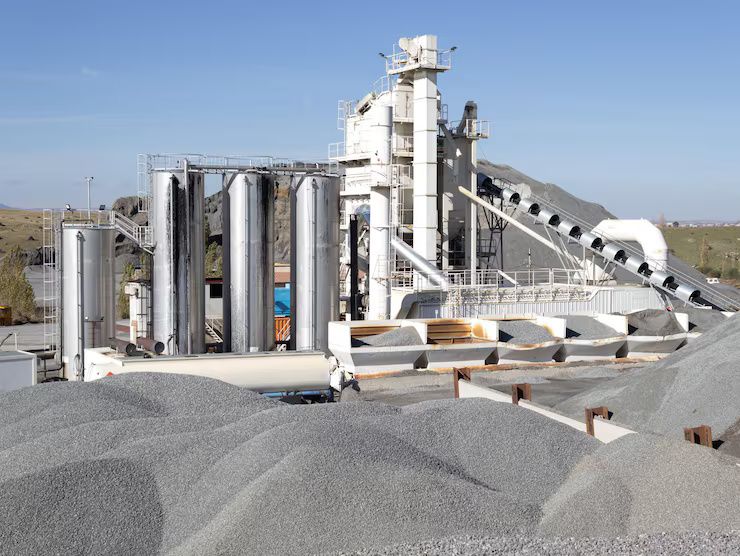
Importance: Why Asphalt Mixing Plants Matter in Modern Construction
Asphalt mixing plants play a critical role in ensuring strong road surfaces, faster project completion, and cost-efficient construction processes.
1. High Production Efficiency
Enables continuous and large-scale asphalt production for major infrastructure projects.
2. Consistent Asphalt Quality
Maintains accurate temperature and material proportions for long-lasting pavements.
3. Reduced Material Waste
Automated control systems optimize mix ratios and reduce construction losses.
4. Faster Project Execution
Ensures constant asphalt supply to construction sites without delays.
5. Improved Road Performance
Produces asphalt mixtures that withstand traffic load and weather conditions.
Types of Asphalt Mixing Plants
1. Batch Asphalt Mixing Plant
Produces asphalt in controlled batches allowing precise mix design and superior quality management for road projects.
2. Drum Mix Asphalt Plant
Uses a continuous mixing process ideal for high-volume production where consistent output and speed are required.
3. Mobile Asphalt Mixing Plant
Designed for easy transportation and quick installation at temporary construction sites or remote infrastructure projects.
4. Stationary Asphalt Mixing Plant
Installed permanently for long-term projects requiring high-capacity production and stable operational performance.
5. Recycled Asphalt Plant (RAP Plant)
Processes reclaimed asphalt materials to support environmentally friendly and cost-effective road construction.
Core Components of Asphalt Mixing Plant
1. Cold Aggregate Feeding System
Supplies different sizes of aggregates in accurate proportions to ensure balanced asphalt mix preparation.
2. Dryer Drum
Heats and dries aggregates thoroughly to remove moisture and prepare them for proper bitumen mixing.
3. Burner Unit
Generates controlled heat energy needed to maintain required temperatures during drying and mixing processes.
4. Hot Aggregate Elevator
Transfers heated aggregates efficiently from the dryer to the screening and mixing sections.
5. Screening Unit
Separates heated materials by size to maintain consistency and quality in the final asphalt mix.
6. Mixing Unit
Blends aggregates, bitumen, and filler materials uniformly to produce high-performance asphalt.
7. Bitumen Storage Tank
Stores and maintains bitumen at suitable temperatures for smooth flow and accurate dosing.
8. Filler Storage System
Stores fine mineral materials that improve asphalt strength and durability.
9. Dust Collection System
Captures fine particles generated during production to reduce emissions and environmental impact.
10. Control Panel and Automation System
Monitors and regulates plant operations to ensure accurate production and efficient performance.
How Asphalt Mixing Plants Work
The asphalt production process follows a systematic and automated workflow.
1. Aggregate Feeding
Raw aggregates are supplied from storage bins.
2. Drying and Heating
Aggregates are heated inside the dryer drum.
3. Screening Process
Heated materials are separated into graded sizes.
4. Mixing Stage
Bitumen and fillers are added for uniform blending.
5. Final Discharge
Finished asphalt is released into storage or directly loaded into transport trucks.
Asphalt Mixing Plant Types and Applications
| Plant Type | Production Method | Common Application |
|---|---|---|
| Batch Plant | Batch production | High-quality road projects |
| Drum Mix Plant | Continuous mixing | Large highways |
| Mobile Plant | Portable operation | Temporary sites |
| Stationary Plant | Fixed installation | Urban infrastructure |
| RAP Plant | Recycled production | Sustainable construction |
Road Construction Applications
1. Highway Construction
Produces durable asphalt suitable for heavy traffic and long-distance transportation routes.
2. Urban Roads and City Streets
Ensures smooth and reliable road surfaces for daily traffic movement.
3. Airport Runways
Creates high-strength asphalt capable of handling aircraft loads and extreme conditions.
4. Industrial and Logistics Roads
Supports heavy vehicle movement in manufacturing and warehouse zones.
5. Parking Areas and Access Roads
Provides durable surfaces for commercial and residential developments.
Benefits of Asphalt Mixing Plants
1. High Productivity
Supports continuous construction schedules.
2. Uniform Asphalt Quality
Improves road durability and lifespan.
3. Operational Efficiency
Automation reduces human error and material loss.
4. Environmental Safety
Dust control systems reduce emissions.
5. Flexible Production Capacity
Suitable for small and large projects.
Maintenance & Best Practices
1. Dryer and Burner Inspection
Regular checks maintain heating efficiency and prevent breakdowns.
2. Dust Filter Cleaning
Ensures proper airflow and environmental compliance.
3. Calibration of Control Systems
Maintains accurate material proportioning.
4. Lubrication of Moving Parts
Reduces wear and extends equipment life.
5. Preventive Maintenance Scheduling
Helps avoid unexpected downtime and repair costs.
Frequently Asked Questions
What is an asphalt mixing plant used for?
It is used to produce asphalt mixtures for road and infrastructure construction.
Which plant is better: batch or drum?
Batch plants offer better quality control while drum plants suit high-volume production.
Can asphalt plants recycle old materials?
Yes, RAP plants reuse reclaimed asphalt for sustainable construction.
Are asphalt plants environmentally regulated?
Yes, they must meet emission and pollution control standards.
How long does an asphalt mixing plant last?
Typically 20–30 years with proper maintenance.
Conclusion
Asphalt mixing plants are essential equipment in modern road construction, enabling high-quality asphalt production with efficient and controlled processes. Understanding the types, components, and applications helps contractors and infrastructure developers choose the right plant for long-term performance and project success.
As infrastructure demand continues to grow worldwide, asphalt mixing plants remain a fundamental technology supporting durable, efficient, and sustainable road development.